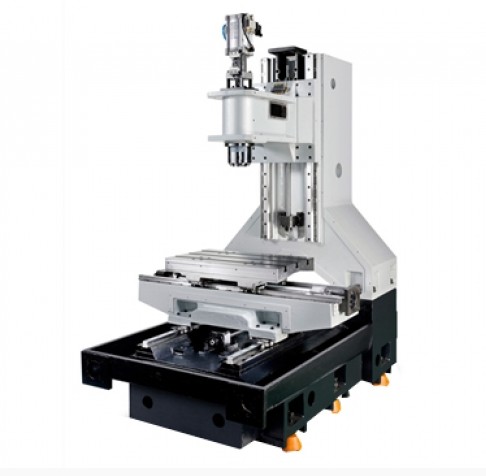
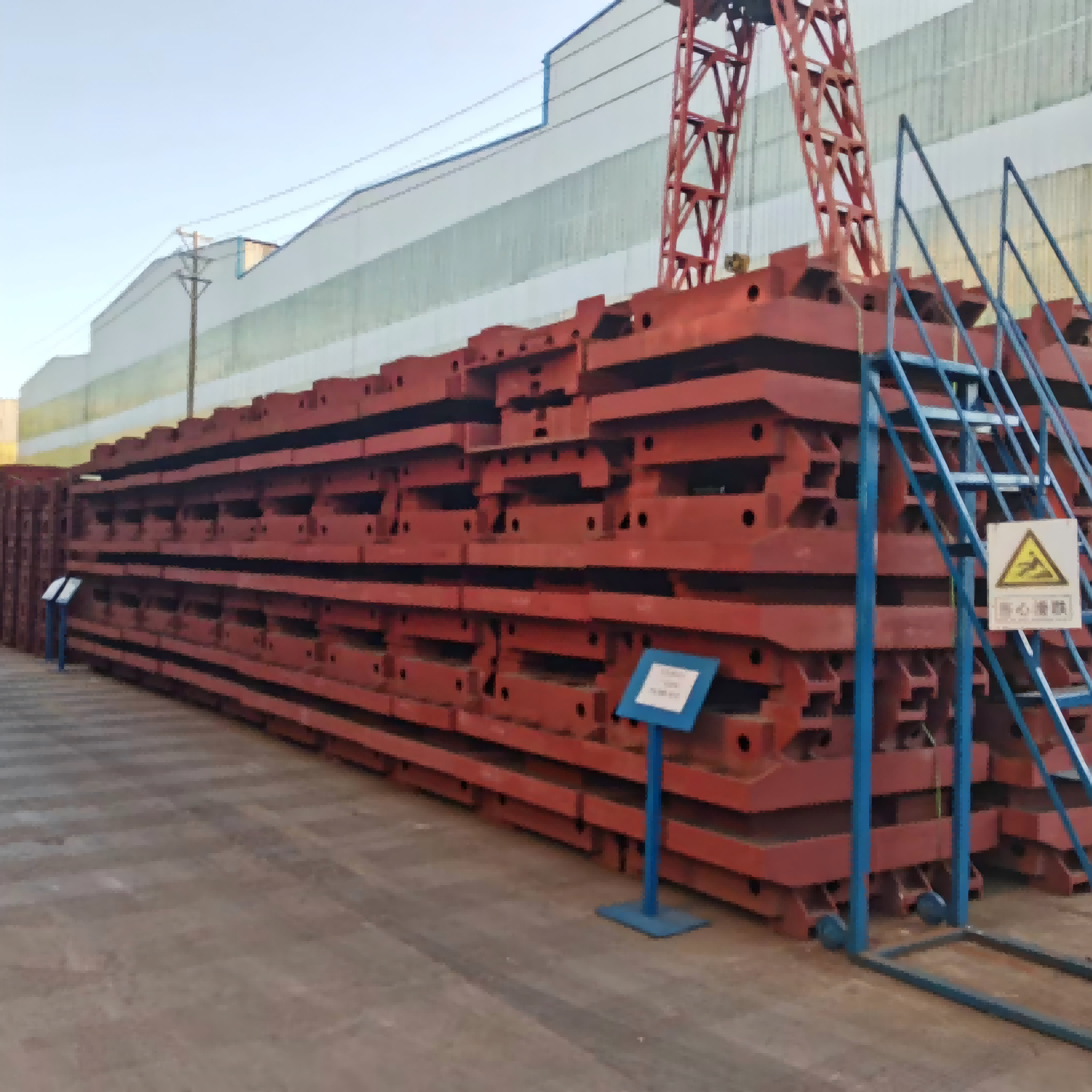
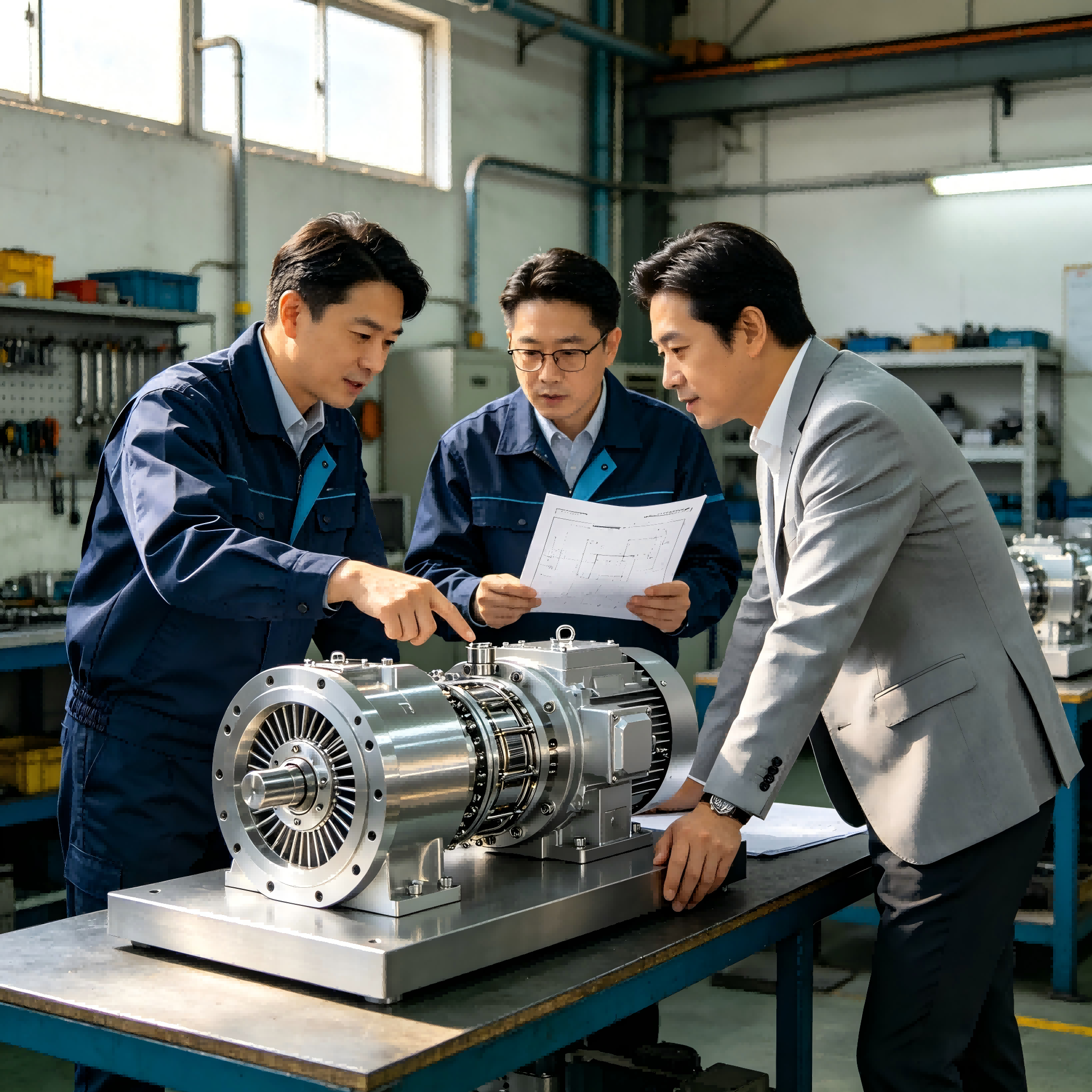
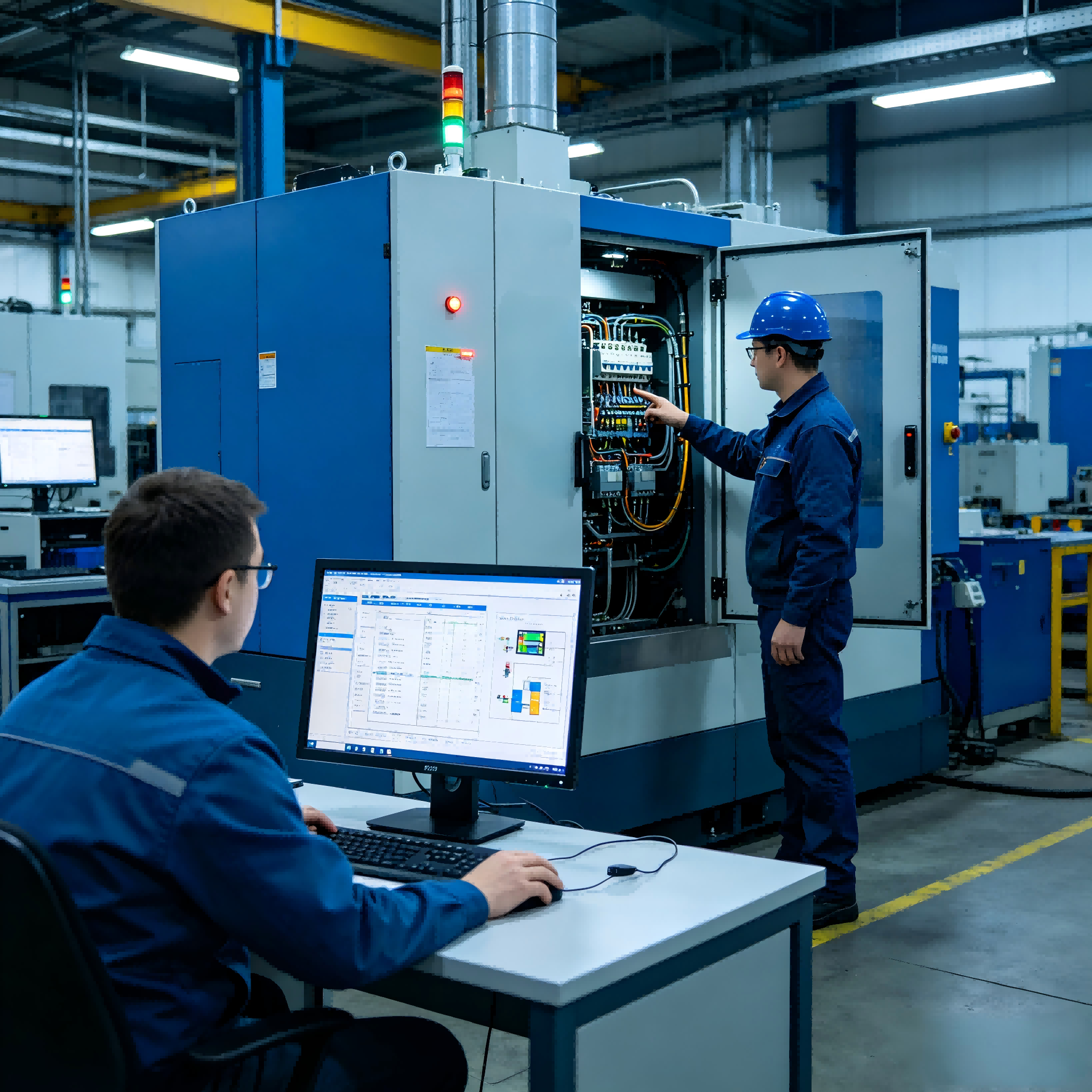

Introduction: Navigating the Global Market for Flange Special Machining Center
Sourcing a flange special machining center that delivers precision engineering while maintaining cost-efficiency represents one of the most critical investments for industrial manufacturers expanding their production capabilities. For procurement teams across Africa, South America, the Middle East, and Europe—from São Paulo to Riyadh—navigating the complex landscape of CNC equipment suppliers requires balancing stringent quality standards against regional operational demands and intricate import logistics. The wrong specification or an unreliable vendor can result in costly downtime, compliance failures, and compromised product integrity in high-stakes sectors like oil and gas transmission.
Why Are Flange Special Machining Centers Critical for Emerging Industrial Markets?
These specialized CNC systems serve as the backbone of modern flange production, offering multi-axis capabilities that transform raw carbon steel, stainless steel, and exotic alloys into precision-engineered connection points. For rapidly industrializing regions including Brazil and Saudi Arabia, where infrastructure and energy projects demand ASME-compliant components, investing in the right machining center directly impacts project timelines, safety certifications, and long-term operational profitability.
What Challenges Do International Buyers Face When Procuring Precision Machining Equipment?
Global procurement teams frequently encounter obstacles ranging from verifying ISO 9001-certified manufacturing standards to navigating complex shipping logistics and securing responsive after-sales technical support across time zones. Understanding machine rigidity, automation compatibility with robotics like FANUC systems, and local regulatory requirements becomes essential when evaluating horizontal versus vertical machining configurations for continuous production environments.
How Will This Guide Streamline Your Equipment Acquisition Strategy?
This comprehensive resource examines flange machining center classifications, material processing capabilities, and industry-specific applications—from petrochemical refining to wastewater management. We provide actionable frameworks for supplier vetting, total cost of ownership analysis, and regional compliance considerations specifically tailored to buyers in Europe, the Middle East, Africa, and South America. By the conclusion, you will possess the strategic insights necessary to secure high-capacity, versatile machining solutions that align with your operational objectives and growth targets.
Understanding Flange Special Machining Center Types and Variations
| Type Name | Key Distinguishing Features | Primary B2B Applications | Brief Pros & Cons for Buyers |
|---|---|---|---|
| Horizontal Flange Machining Centers (HMC) | Horizontal spindle orientation, tombstone fixtures for four-sided machining, automatic pallet changers, gravity-assisted chip evacuation | Large pipeline flanges, oil & gas infrastructure, heavy industrial components | Pros: Superior rigidity for heavy cuts, excellent chip removal, high spindle utilization. Cons: Higher floor space requirements, complex setup for non-standard geometries. |
| Vertical Pick-Up Turning Centers | Vertical spindle with automated pick-up loading, integrated turning/drilling/chamfering stations, compact column design | Standard pipe flanges, automotive exhaust components, mid-volume production | Pros: Compact footprint, reduced manual handling, gravity-assisted workholding. Cons: Limited to rotationally symmetric parts, restricted capability for angled features. |
| Multi-Station Rotary Transfer Systems | Circular or linear transfer layouts, simultaneous multi-part processing, dedicated tooling per station | Mass production of standardized flanges, plumbing fittings, construction hardware | Pros: Extremely high throughput, low per-unit cost at volume. Cons: High initial capital outlay, inflexible for design changes, long changeover times. |
| 5-Axis Universal Flange Machining Centers | Simultaneous 5-axis interpolation, single-setup completion of complex geometries, advanced contouring capabilities | Aerospace flanges, custom alloy components, complex manifold interfaces | Pros: Eliminates multiple setups, handles complex angles and profiles. Cons: Premium pricing, requires advanced programming expertise, higher maintenance complexity. |
What Are Horizontal Flange Machining Centers and When Should Buyers Invest?
Horizontal Flange Machining Centers (HMCs) position the spindle horizontally, allowing gravity-assisted chip evacuation and superior rigidity during heavy-duty cutting of large-diameter pipeline flanges. These systems typically utilize tombstone fixtures that enable four-sided machining, maximizing spindle utilization for B2B buyers in oil, gas, and energy sectors. When evaluating HMCs, procurement teams should prioritize machines with automatic pallet changers and robust high-pressure coolant systems to handle the continuous heavy cuts required for carbon steel and alloy flanges common in Middle Eastern and South American infrastructure projects. The horizontal configuration also facilitates better access for automated loading systems, reducing labor costs in high-volume environments.
How Do Vertical Pick-Up Turning Centers Optimize Flange Production?
Vertical Pick-Up Turning Centers feature a vertical spindle orientation with automated pick-up mechanisms that load raw forgings or castings directly from conveyors, streamlining the transition from turning to drilling and chamfering operations without manual intervention. This configuration is particularly suitable for buyers managing mid-volume production of standardized weld-neck and slip-on flanges, offering a compact footprint ideal for facilities with space constraints in urban European or Brazilian manufacturing hubs. B2B purchasers should assess the machine’s chuck capacity, tool magazine size, and the rigidity of the vertical column to ensure compatibility with their specific flange diameter ranges and surface finish requirements.
Why Choose Multi-Station Rotary Transfer Systems for High-Volume Flange Manufacturing?
Multi-Station Rotary Transfer Systems employ circular or linear layouts with dedicated workstations performing simultaneous operations—turning, drilling, tapping, and facing—on multiple flanges concurrently, dramatically reducing cycle times. These systems excel in mass production environments where African and European buyers require consistent output of standardized flange sizes for plumbing, automotive, or general construction sectors. While the initial capital investment is substantial, the cost-per-part economics favor high-volume contracts exceeding 10,000 units annually; however, procurement teams must carefully evaluate the extended changeover times and limited flexibility for custom flange designs when specifying these dedicated production lines.
What Makes 5-Axis Universal Flange Machining Centers Essential for Complex Geometries?
5-Axis Universal Flange Machining Centers provide simultaneous five-axis interpolation capabilities, enabling single-setup completion of complex geometries including angled bolt holes, contoured sealing surfaces, and irregular flange profiles required in aerospace and specialized petrochemical applications. These machines eliminate the cumulative error associated with multiple setups, critical for buyers sourcing precision alloy flanges in Brazil or Saudi Arabia where leak-proof integrity is paramount. When selecting 5-axis systems, B2B decision-makers should verify the machine’s rigidity during simultaneous axis movement, thermal stability controls, and ensure the CAM software compatibility matches their engineering team’s capabilities to justify the premium investment and training requirements.
Key Industrial Applications of Flange Special Machining Center
| Industry/Sector | Specific Application of Flange Special Machining Center | Value/Benefit for the Business | Key Sourcing Considerations for this Application |
|---|---|---|---|
| Oil, Gas & Petrochemical Processing | High-pressure pipeline flanges, wellhead connectors, and heat exchanger tube sheets requiring API 6A/6D compliance | Eliminates leak paths in sour gas environments; reduces field failure rates through precision surface finishing and absolute sealing surface flatness | Verify ATEX certification for automation integration; demand material traceability (3.1 certificates) and proven capability in superalloy machining |
| Power Generation & Renewable Energy | Turbine casing flanges, wind tower base rings, hydroelectric penstock connectors, and nuclear pressure vessel sealing surfaces | Ensures thermal cycling integrity; enables high-torque transmission with minimal energy loss; supports continuous operation in peak demand periods | Confirm capability for large-diameter facing (2m+ swing); check spindle power ratings for Inconel and heat-resistant alloy cutting |
| Water Treatment & Desalination Infrastructure | Large-bore pump station flanges, reverse osmosis pressure vessel end caps, and municipal valve bodies for saline/chlorinated environments | Delivers corrosion-resistant sealing surfaces that prevent crevice corrosion; supports 24/7 operational uptime critical for public health infrastructure | Prioritize stainless steel (316L/Duplex) machining expertise; ensure high-pressure coolant systems and chip management for continuous stainless steel processing |
| Heavy Construction & Infrastructure | Structural steel connection flanges, bridge bearing plates, and tunnel boring machine cutterhead hubs | Accelerates project timelines through automated batch processing; maintains geometric tolerance across varying material thicknesses and forged blanks | Evaluate pallet-changing automation for high-mix production; assess machine bed rigidity specifications for interrupted cuts on heavy-section carbon steel |
How Do Flange Special Machining Centers Ensure Integrity in High-Pressure Oil and Gas Operations?
In upstream and midstream operations across Saudi Arabia, the UAE, and Brazil, flange special machining centers produce pipeline flanges and wellhead components that must withstand extreme pressures and corrosive sour gas environments. The equipment solves critical sealing challenges by delivering micron-level surface finishes on RTJ (Ring Type Joint) and RF (Raised Face) sealing surfaces, preventing catastrophic leaks that could halt production. Buyers from these regions should prioritize machines with rigid horizontal spindle configurations capable of heavy-duty cutting in Inconel and duplex stainless steel, while ensuring suppliers provide full API 6A compliance documentation and material traceability certificates essential for offshore and desert extraction operations.
What Makes Specialized Flange Machining Critical for Energy Sector Infrastructure?
From combined-cycle power plants in the Middle East to hydroelectric facilities in Brazil and Eastern Europe, these machining centers manufacture turbine casing flanges and generator end-shields requiring absolute geometric flatness to maintain thermal efficiency and prevent steam leakage. The technology addresses thermal cycling fatigue by creating perfectly parallel sealing surfaces that withstand extreme temperature differentials without degrading. International buyers must verify the center’s capacity for large-diameter facing—often exceeding two meters for wind tower base rings—and confirm high-torque spindle capabilities necessary for machining nickel-based superalloys, while ensuring the automation interface supports lights-out manufacturing for continuous energy sector production schedules.
Why Are Automated Flange Machining Solutions Essential for Water Infrastructure Projects?
As African nations and Middle Eastern countries expand municipal water networks and desalination capacity, flange machining centers produce large-diameter pump flanges and reverse osmosis pressure vessel end caps exposed to aggressive saline and chlorinated environments. The specialized equipment solves corrosion-resistance challenges by achieving precise surface finishes on 316L stainless steel and duplex alloys that prevent crevice corrosion and ensure decades of maintenance-free operation. Procurement teams should seek machines with extended spindle travel for deep-bore drilling and high-pressure coolant systems capable of handling titanium alloy machining, ensuring continuous production capabilities for critical water infrastructure projects where equipment downtime is unacceptable.
How Can Construction Manufacturers Optimize Structural Flange Production for Global Infrastructure?
For European bridge construction and South American mining infrastructure projects, these centers automate the production of structural connection flanges and tunnel boring machine cutterhead hubs where geometric consistency directly determines load-bearing safety and project longevity. The machining centers solve throughput bottlenecks by integrating rough turning, precision facing, drilling, and chamfering in single setups, eliminating cumulative positioning errors associated with manual repositioning. Buyers should evaluate pallet-changing automation systems that enable unmanned production of mixed flange sizes from forged blanks, while verifying machine bed rigidity specifications necessary for handling interrupted cuts on heavy-section carbon steel typical in structural applications.
A stock image related to Flange Special Machining Center.
3 Common User Pain Points for ‘Flange Special Machining Center’ & Their Solutions
Scenario 1: Multi-Setup Inefficiency and Cumulative Positioning Errors
The Problem: Relying on standard vertical machining centers for flange production forces manufacturers to execute turning, drilling, and chamfering in separate operations. Each workpiece reclamping introduces cumulative positioning errors that compromise critical sealing surfaces, while extended setup times create production bottlenecks. This fragmented approach increases scrap rates and labor costs, particularly when processing high-volume orders for oil and gas infrastructure where geometric tolerances must remain consistent across thousands of units.
The Solution: Implement dedicated flange machining centers with integrated multi-station configurations and automatic part transfer systems. These machines complete turning, drilling, and chamfering within a single clamping cycle, eliminating repositioning errors while reducing cycle times by up to 60%. Seek systems with conveyor-fed automation to enable continuous production flows, ensuring consistent precision across carbon steel, stainless steel, and alloy materials without operator intervention between operations.
Scenario 2: How to Maintain Precision When Machining Large-Diameter Flanges?
The Problem: Machining large-diameter flanges for pipeline and petrochemical applications generates substantial cutting forces that standard vertical centers cannot adequately manage. Excessive vibration during heavy stock removal results in poor surface finish, accelerated tool wear, and dimensional instability—particularly problematic when facing large-bore components exceeding 500mm diameter. These limitations compromise the parallel surfaces essential for high-pressure gasket sealing in critical infrastructure projects.
The Solution: Specify horizontal machining centers engineered with reinforced bed structures and high-torque spindles specifically for flange facing operations. These rigid configurations minimize vibration during aggressive cutting of thick-walled flanges, ensuring superior surface quality and tight tolerances. Verify that the machine offers sufficient X-axis travel and workpiece weight capacity to accommodate oversized pipeline components, while maintaining the precision required for ASME and API standard compliance in oil and gas production environments.
Scenario 3: Extended Changeover Times Limiting Production Flexibility
The Problem: Manufacturers serving diverse industrial sectors frequently struggle with lengthy changeover periods when switching between flange sizes, materials, or custom specifications. Traditional setups require manual fixture adjustments and reprogramming that idle equipment for hours, eroding profitability on small-batch orders common in construction and power generation markets. This rigidity prevents agile response to fluctuating demand across international supply chains in regions like South America and the Middle East.
The Solution: Deploy pick-up style machining centers featuring quick-change modular fixtures and automated tool management systems compatible with FANUC robotics. These versatile platforms enable rapid transitions between different flange diameters and material grades—from carbon steel to exotic alloys—without extensive reconfiguration. The integration of robotic loading further supports unattended operation across mixed production runs, maximizing asset utilization while ensuring consistent quality across varying international standards for global export markets.
Strategic Material Selection Guide for Flange Special Machining Center
Selecting the optimal workpiece material represents a critical decision point for procurement teams investing in flange special machining centers, directly impacting tooling budgets, cycle times, and end-product longevity in demanding sectors like oil & gas and petrochemical processing. Understanding the machinability characteristics and application-specific performance of each alloy ensures alignment between equipment capabilities and production requirements across diverse operational environments.
Which Carbon Steel Grades Offer the Best Balance of Machinability and Strength for Industrial Flanges?
Carbon steel remains the predominant workpiece material processed on flange special machining centers, particularly ASTM A105 and A350 LF2 grades favored in oil and gas infrastructure across the Middle East and South America. These materials exhibit excellent machinability characteristics, allowing for high cutting speeds and extended tool life during facing, drilling, and threading operations. The material’s weldability and moderate tensile strength make it ideal for high-volume production of ANSI/ASME standard flanges where corrosion resistance is not the primary concern. However, buyers should note that carbon steel requires protective coatings or galvanization for offshore or humid environments, adding secondary processing steps that may impact delivery schedules.
How Does Austenitic Stainless Steel Selection Affect Precision in Flange Manufacturing?
Stainless steel grades 304 and 316 dominate chemical processing and marine applications where flange integrity must withstand aggressive corrosive media and high-temperature cycling. While offering superior corrosion resistance compared to carbon alternatives, these austenitic alloys present unique challenges for machining centers due to work hardening tendencies and low thermal conductivity that can lead to heat buildup at the cutting edge. Specialized tooling with optimized geometries and high-pressure coolant systems become essential to prevent galling and ensure precise surface finishes on critical sealing faces. The material’s stability during thermal cycling makes it indispensable for petrochemical refineries in Europe and
A stock image related to Flange Special Machining Center.
In-depth Look: Manufacturing Processes and Quality Assurance for Flange Special Machining Center
For B2B procurement teams in oil and gas, petrochemical, and heavy construction sectors across Africa, South America, the Middle East, and Europe, understanding the manufacturing DNA of a Flange Special Machining Center is critical for risk mitigation and supply chain reliability. These specialized systems differ fundamentally from general-purpose CNC equipment through their dedicated integration of flange-specific operations, automated material handling, and rigorous quality protocols designed for high-volume, high-precision production.
What Integrated Machining Processes Define a Flange Special Machining Center?
Unlike standard vertical mills that require multiple setups, dedicated flange machining centers consolidate turning, facing, drilling, and chamfering into a single automated workflow. The process begins with raw material loading onto conveyor systems, where pick-up spindles or robotic arms transfer blanks through sequential workstations. Horizontal machining configurations dominate this space, providing superior chip evacuation and allowing gravity-assisted loading for heavy carbon steel and alloy workpieces. Critical to this integration is the flange-facing operation, where specialized cutting tools generate smooth, flat, and perfectly parallel sealing surfaces essential for gasket integrity in high-pressure pipeline applications.
How Does Multi-Axis CNC Configuration Impact Flange Complexity and Tolerance?
Modern flange special machining centers utilize 3-, 4-, and 5-axis simultaneous control to accommodate both standard ASME/EN flanges and complex custom geometries. While 3-axis systems efficiently handle conventional weld neck and slip-on flanges, 4th and 5th axis rotary tables enable complete machining of blind flanges and specialized hub configurations in a single clamping. This multi-axis capability eliminates cumulative tolerance errors that occur during repositioning, achieving positional accuracies often within ±0.01mm. For buyers sourcing precision components for critical infrastructure, this translates to interchangeable parts that maintain seal integrity across extreme temperature and pressure differentials.
What Rigidity and Vibration Control Measures Ensure Surface Integrity?
The structural rigidity of the machine bed directly correlates with surface finish quality and tool longevity. High-grade cast iron or polymer composite bases with reinforced column designs minimize micro-vibrations during heavy stock removal operations. This stability is crucial when machining stainless steel or exotic alloys common in Middle Eastern petrochemical and Brazilian offshore applications, where cutting forces generate significant thermal expansion. Advanced systems incorporate thermal compensation algorithms and vibration-dampening spindle bearings, ensuring that facing operations produce Ra 3.2 or better surface finishes required for metal-to-metal seals without secondary grinding operations.
Which Automated Quality Assurance Steps Verify Seal Surface Preparation?
Quality assurance in flange manufacturing operates as a continuous process rather than a final checkpoint. In-process probing using touch-trigger or laser measurement systems verifies critical dimensions—such as bolt circle diameter, flange thickness, and bore concentricity—while the workpiece remains fixtured. Automated tool wear monitoring adjusts cutting parameters in real-time to prevent dimensional drift during long production runs. For the sealing surfaces, specialized flange-facing attachments incorporate feedback mechanisms that confirm parallel flatness to within 0.05mm across the entire face, ensuring compatibility with spiral wound and ring-type joint gaskets specified in ASME B16.5 and EN 1092-1 standards.
How Do Material-Specific Protocols Address Carbon Steel, Stainless, and Alloy Flanges?
Different base materials demand distinct machining strategies to prevent work hardening and maintain metallurgical integrity. Carbon steel flanges typically undergo high-speed machining with coated carbide inserts, while austenitic stainless steels require optimized cutting speeds and coolant delivery to avoid galling and surface contamination. For duplex and super-duplex stainless steels prevalent in Saudi Arabian desalination and Nigerian offshore projects, machining centers employ cryogenic cooling or high-pressure coolant systems to manage heat generation. Post-machining surface treatments—including passivation for stainless steel and protective coatings for carbon steel—are often integrated into the production line to prevent corrosion during international shipping to humid climates.
What Documentation and Certification Standards Support Global B2B Procurement?
ISO 9001-certified manufacturing facilities provide the documentation backbone required for international trade and regulatory compliance. Each flange batch receives material certificates (3.1 or 3.2 per EN 10204), dimensional inspection reports, and non-destructive testing (NDT) records when specified. Coordinate Measuring Machine (CMM) verification generates detailed reports on bolt hole positioning and face runout, essential for buyers in European markets with strict PED (Pressure Equipment Directive) requirements. Traceability systems link each component to raw material heat numbers and machining parameters, creating audit trails that satisfy project specifications for oil and gas majors operating across Brazil, South Africa, and the GCC region.
By leveraging these integrated manufacturing processes and multi-layered quality assurance protocols, Flange Special Machining Centers deliver the dimensional consistency and metallurgical reliability that international infrastructure projects demand. For procurement teams, verifying these capabilities ensures that sourced flanges will perform reliably in critical pipeline and pressure vessel applications, minimizing costly field failures and maintenance downtime.
Practical Sourcing Guide: A Step-by-Step Checklist for ‘Flange Special Machining Center’
Procuring a Flange Special Machining Center represents a significant capital investment that demands strategic evaluation beyond basic technical specifications. For industrial buyers operating in emerging markets—from Brazil’s offshore energy sector to Saudi Arabia’s petrochemical complexes—selecting the right equipment directly impacts production efficiency, regulatory compliance, and long-term ROI. This practical checklist provides a structured framework to assess machine capabilities, supplier reliability, and operational readiness.
1. How Do You Define Your Flange Machining Requirements and Production Volume?
Begin by cataloging your specific flange types—weld neck, blind, slip-on, or threaded—and material specifications ranging from standard carbon steel to duplex stainless steels and nickel alloys. Determine your required annual output, typical batch sizes, and dimensional ranges including maximum diameter and thickness. High-volume operations serving oil and gas transmission require machines with automatic transfer systems between turning, drilling, and chamfering stations, while custom fabrication shops need rapid changeover capabilities to handle diverse flange sizes.
2. What Machine Configuration and Automation Features Should You Prioritize?
Evaluate horizontal machining centers equipped with multiple workstations that minimize setup time and reduce labor costs through integrated conveyor systems for raw part loading. Prioritize robotic compatibility with industry-standard CNC controllers and automated tool changers that accommodate various cutting tools for facing, boring, and threading operations. For regions facing skilled labor shortages, select machines with intuitive programming interfaces and remote diagnostic capabilities to minimize dependency on overseas technical visits.
3. Which Quality Certifications and Precision Standards Are Non-Negotiable?
Verify that equipment manufacturers maintain ISO 9001 quality management certification and compliance with industry-specific standards such as API 6A for wellhead equipment or ASME B16.5 for pipe flanges. Assess the machine’s structural rigidity and vibration dampening systems, as these directly impact surface finish quality and the critical sealing surface integrity required for high-pressure applications. Inquire about integrated in-process measurement systems that provide real-time quality feedback.
4. How Do You Evaluate Supplier Experience and Regional Support Infrastructure?
Investigate the manufacturer’s track record in heavy industries and their specific experience serving markets in Africa, South America, and the Middle East. Confirm the availability of localized service networks, multilingual technical documentation, and regional spare parts distribution centers. Request contactable references from buyers operating in similar climatic conditions and power grid environments to validate machine performance under local operational constraints.
5. What Is the True Total Cost of Ownership Beyond the Purchase Price?
Calculate comprehensive lifecycle costs including sea freight logistics, import duties, installation, and commissioning expenses specific to your facility location. Factor in energy consumption rates, recommended maintenance intervals, and the availability of local consumables and replacement cutting tools. Negotiate extended warranty terms, preventive maintenance contracts, and financing options that align with your capital expenditure cycles and local banking facilities.
6. Why Is Factory Acceptance Testing and Operator Training Essential?
Before final shipment, mandate a witnessed Factory Acceptance Test (FAT) using your actual flange drawings, material samples, or production simulations to verify cycle times and accuracy. Ensure the supplier provides comprehensive training programs covering CNC programming, preventive maintenance, and troubleshooting protocols for your local operators and maintenance teams. Secure complete technical documentation, including electrical and mechanical drawings, to support long-term autonomous operation.
A stock image related to Flange Special Machining Center.
Comprehensive Cost and Pricing Analysis for Flange Special Machining Center Sourcing
Sourcing flange special machining centers requires understanding a complex cost structure that extends well beyond the initial capital expenditure. For procurement teams in emerging markets like Brazil, Saudi Arabia, and across Africa, balancing advanced manufacturing capabilities with total cost of ownership demands careful analysis of automation levels, material compatibility, and regional logistics factors that significantly impact final investment figures.
What Are the Primary Cost Drivers in Flange Special Machining Center Acquisition?
The base machine price varies significantly based on axis configuration and automation sophistication. Entry-level 3-axis CNC systems offer lower upfront costs but typically require multiple setups for complex flange geometries, increasing labor expenses and cycle times. Conversely, integrated 5-axis horizontal machining centers with automatic part transfer between turning, drilling, and chamfering stations command premium pricing—often 40-60% higher than standard configurations—but eliminate manual intervention while reducing per-part processing time by up to 70%. Material handling capabilities further influence costs; machines configured for heavy-duty cutting of special alloys and stainless steel require enhanced rigidity and specialized spindles, adding 15-25% to the base configuration compared to carbon steel-only systems.
How Does Automation Impact Total Cost of Ownership and ROI?
While robotic integration with FANUC-compatible systems and conveyor-fed workstations increases initial investment by $50,000 to $150,000, the return on investment manifests through reduced labor dependency and enhanced workplace safety. For high-volume production common in oil and gas applications across the Middle East, automated transfer between operations minimizes setup time and enables continuous production during shift changes. Buyers should calculate break-even points based on local labor economics—automation typically justifies itself within 18-24 months in European markets, while the timeline extends in regions with lower wage structures. Maintenance contracts for robotic components and automatic tool changers require ongoing budgeting, particularly when machining abrasive materials that accelerate wear.
What Hidden Costs Should International Buyers Anticipate When Sourcing Globally?
Beyond FOB pricing, procurement teams must factor in sea freight for heavy machinery (typically $8,000-$25,000 depending on destination port accessibility), import duties varying from 5% in GCC countries to 18-35% in Brazil and select African markets, and installation supervision costs. Training represents another critical line item; comprehensive operator instruction on multi-workstation systems usually requires 2-3 weeks of on-site specialist support. Additionally, verify whether quotes include ISO 9001 compliance documentation and CE certification required for European markets, as retrofitting these certifications later can cost 10-15% of the machine’s initial value and delay project timelines.
How Can Buyers Optimize Pricing Through Strategic Supplier Evaluation?
Evaluate suppliers offering turnkey solutions that bundle machining centers with application engineering and after-sales support networks in your region. Manufacturers in Asia often provide competitive pricing on 3-4 axis systems with shorter lead times, while European suppliers command premiums for specialized horizontal turning lines but offer superior precision for critical flange facing operations. Request detailed breakdowns of spare parts availability and service coverage—prolonged downtime from unavailable components can quickly negate initial savings. Negotiate extended warranty terms covering critical spindles and control systems, and insist on fixed-price maintenance contracts for the first two years to protect against currency fluctuation risks common in international B2B transactions.
Alternatives Analysis: Comparing Flange Special Machining Center With Other Solutions
When evaluating capital equipment for flange manufacturing, procurement teams must weigh specialization against flexibility. While Flange Special Machining Centers offer integrated automation for high-volume pipeline component production, two alternative approaches dominate the market: standard CNC turning centers requiring secondary operations, and vertical machining centers equipped with fourth-axis rotary tables. Each alternative presents distinct economic and operational trade-offs that impact total cost of ownership, particularly for buyers in emerging industrial markets balancing initial investment constraints against long-term productivity goals.
| Comparison Aspect | ‘Flange Special Machining Center’ | Standard CNC Turning Centers | Vertical Machining Centers (4th Axis) |
Essential Technical Properties and Trade Terminology for Flange Special Machining Center
When evaluating capital equipment for flange production, procurement teams must distinguish between generic CNC specifications and the specialized parameters that determine sealing surface quality, cycle efficiency, and compliance with international pipeline standards. The following technical properties and trade terminology provide the necessary framework for specification development and supplier qualification.
What Technical Specifications Define High-Performance Flange Machining Centers?
Simultaneous Multi-Axis Interpolation Capability
Modern flange special machining centers utilize 4-axis or 5-axis simultaneous interpolation to machine complex weld neck profiles and angled faces in single setups. Unlike standard 3-axis positioning, simultaneous machining maintains strict concentricity (typically ≤0.01mm) between the bore and bolt circle, eliminating cumulative tolerance errors from multiple setups.
Spindle Torque and Power Density Ratings
For heavy-duty cutting of forged carbon and alloy steels, evaluate continuous duty torque ratings (50–100+ Nm) rather than peak horsepower. High-torque spindles operating at lower RPM ranges (500–2,000 RPM) handle interrupted cuts on cast or forged flanges while minimizing vibration that compromises sealing surface finish.
Work Envelope and Swing Diameter Constraints
The maximum swing diameter over the bed determines the largest flange size (e.g., ANSI 60″ Class 600) the equipment can process. Ensure X-axis travel exceeds your largest bolt circle diameter by minimum 20% to accommodate tool clearance and fixture overhang during drilling operations.
Positional Accuracy and Thermal Compensation
For API 6A and ASME B16.5 compliance, specify machines with positional accuracy ≤0.005mm and bidirectional repeatability ≤0.003mm. Linear glass scale feedback and thermal drift compensation systems maintain critical flatness tolerances on raised face and ring-type joint (RTJ) sealing surfaces across extended production runs.
Integrated Workpiece Transfer and Automation
Advanced centers incorporate automatic pick-up systems that transfer flanges between turning, drilling, and chamfering stations via internal conveyors or robotic handling. This integration reduces manual intervention by 60–70% and enables continuous production of pipeline components with minimal WIP inventory.
Which Industry-Specific Terms Govern Flange Machining Operations?
Flange Facing
The precision machining process of creating smooth, flat, parallel sealing surfaces (raised face, flat face, or ring groove) that ensure gasket compression integrity under high-pressure pipeline conditions. Facing operations require specialized cutters with micro-feed capabilities to achieve surface finishes of 3.2–6.3 Ra.
Canned Cycles for Bolt Hole Patterns
Pre-programmed CNC subroutines (such as G81 drilling cycles with bolt circle calculations) that automate the machining of equally spaced bolt holes around the flange circumference. These cycles ensure ASME B16.5 pattern compliance while reducing programming time for variable pitch circle diameters.
Through-Spindle Coolant (TSC)
High-pressure coolant delivery (70–150 bar) channeled directly through the tool centerline, essential for chip evacuation during deep-hole drilling of flange bolt holes. TSC extends tool life in stainless steel and superalloy applications while preventing work-hardening during interrupted cuts.
Pick-Up Machining Configuration
A manufacturing setup where the machine automatically transfers the workpiece between multiple workstations (rough turning, finish facing, drilling, tapping) using internal pick-up spindles or conveyors. This configuration enables complete machining in a single clamping, maintaining datum consistency for critical sealing surfaces.
Live Tooling and Station Integration
Rotary cutting tools driven by the machine’s turret or tool magazine that perform secondary operations (chamfering, deburring, marking) without removing the flange from the primary fixture. Integration of live tooling eliminates secondary handling and reduces total cycle time by 25–30%.
Workholding Fixture Solutions
Specialized chucking systems (including diaphragm chucks, segmented jaws, or vacuum fixtures) designed to minimize distortion on thin-wall stainless flanges while providing rigid clamping for heavy interrupted cuts on forged alloy components.
Navigating Market Dynamics and Sourcing Trends in the Flange Special Machining Center Sector
What Are the Emerging Market Trends Reshaping Flange Machining Center Procurement?
The global flange machining center sector is undergoing rapid evolution driven by massive infrastructure investments across Africa, South America, and the Middle East. Energy sector expansion—particularly in Saudi Arabia’s petrochemical complexes, Brazil’s offshore oil platforms, and Africa’s emerging power generation networks—is creating unprecedented demand for high-precision machining solutions. Procurement teams are increasingly sourcing equipment capable of processing carbon steel, stainless steel, and specialized alloys with tight tolerances essential for high-pressure sealing applications. This surge in demand coincides with a technological shift toward integrated manufacturing cells that combine multiple operations within single platforms.
Automation and smart manufacturing integration represent the most significant operational trends for 2024 and beyond. Advanced flange machining centers now feature automatic transfer systems that move workpieces seamlessly from turning stations to drilling and chamfering operations, eliminating manual handling errors while reducing cycle times. The incorporation of robotics from industry leaders like FANUC enables continuous production with minimal supervision, addressing skilled labor shortages prevalent in emerging markets. For buyers in remote industrial locations, these automated capabilities ensure consistent quality control while minimizing the operational risks associated with manual machining processes.
Versatility and rapid changeover capabilities have become critical competitive differentiators in volatile market conditions. Modern pick-up machining centers accommodate diverse flange specifications—from small-diameter pipeline connectors to massive industrial vessel flanges—without extensive retooling. This flexibility proves invaluable for construction and wastewater management contractors managing multiple project types simultaneously. Additionally, machine rigidity and advanced vibration dampening technologies now enable heavy stock removal with fewer passes, extending tool life and reducing maintenance intervals. Procurement professionals increasingly evaluate total cost of ownership, prioritizing equipment durability that withstands continuous production schedules in harsh industrial environments.
Digitalization and supply chain resilience are reshaping vendor selection criteria beyond technical specifications. Buyers now require ISO 9001-certified partners offering comprehensive digital documentation, real-time production tracking, and predictive maintenance capabilities. The trend toward localized service networks—combining cost-efficient manufacturing with regional technical support—reflects lessons from recent global supply chain disruptions. For European and Middle Eastern buyers specifically, suppliers demonstrating robust logistics frameworks and customs expertise for international shipping provide essential risk mitigation. Furthermore, equipment suppliers offering workforce training programs and after-sales engineering support create long-term value, ensuring machining centers operate at optimal efficiency throughout their lifecycle.
How Can International Buyers Ensure Sustainable and Ethical Flange Machining Sourcing?
Sustainability in flange machining procurement now encompasses material traceability, energy efficiency, and circular economy principles throughout the supply chain. Responsible buyers increasingly mandate detailed documentation for carbon steel, stainless steel, and alloy materials, verifying ethical extraction practices and compliance with international environmental standards. Advanced 5-axis CNC machining centers contribute significantly to sustainability goals by optimizing cutting paths that minimize material waste—reducing scrap rates by up to 40% compared to conventional machining while maintaining the precision required for critical sealing surfaces. For infrastructure projects in environmentally sensitive regions, this waste reduction translates to measurable ecological benefits and cost savings.
Energy consumption and operational efficiency have become primary evaluation metrics in equipment selection. Modern horizontal machining centers designed specifically for flange production utilize high-efficiency spindles and intelligent power management systems that reduce electricity requirements without compromising material removal rates. Procurement teams in regions with high energy costs or strict carbon emission regulations—such as European Union markets—prioritize machinery featuring regenerative drives and optimized thermal management. Additionally, leading manufacturers are transitioning facility operations to renewable energy sources, offering buyers alignment with corporate sustainability mandates and Scope 3 emission reduction targets.
Ethical labor practices and workplace safety standards now factor prominently in B2B due diligence processes. Buyers should verify that machining center suppliers maintain ISO 45001 occupational health and safety certifications alongside quality management standards. The integration of automation and robotic handling systems serves dual purposes: enhancing productivity while eliminating ergonomic hazards associated with manual manipulation of heavy flange components. This technological approach demonstrates supplier commitment to worker welfare while addressing the physical demands of machining large-diameter industrial flanges. Furthermore, transparent supply chain auditing ensures that subcontracted surface
Frequently Asked Questions (FAQs) for B2B Buyers of Flange Special Machining Center
What is the difference between a flange special machining center and a standard vertical machining center?
Flange special machining centers are purpose-built for disk-shaped workpieces with large diameters and short axial lengths, whereas standard vertical machining centers (VMCs) optimize for prismatic components. These specialized machines feature enhanced spindle rigidity and custom workholding solutions designed to secure large-diameter flanges—often exceeding 500mm—while minimizing vibration during heavy facing cuts. Unlike standard VMCs that require multiple setups for turning, drilling, and chamfering, flange machining centers integrate these operations with automatic part transfer between stations, reducing setup time by up to 70%.
What are the typical machining operations performed on a flange special machining center?
These centers execute complete flange processing from raw stock to finished product through sequential operations including external and internal turning, facing for gasket sealing surfaces, and bolt hole drilling at precise bolt circle diameters (BCD). Advanced configurations perform chamfering, deburring, and groove cutting for ring-type joint (RTJ) flanges in single setups. Some systems also incorporate engraving stations for material grade markings and traceability codes, eliminating secondary processing steps required when using conventional lathes or mills.
Which industries require flange special machining centers for pipe fitting production?
Oil and gas pipeline operators in regions like the Middle East and South America, along with petrochemical refineries and power generation facilities, represent the primary demand sectors. These industries require high-volume production of ASME/ANSI standard flanges and custom API specifications for critical infrastructure projects. Water treatment facilities, shipbuilding yards in European markets, and desalination plants in Saudi Arabia also utilize these machines for manufacturing corrosion-resistant duplex stainless steel flanges used in harsh environments.
What specifications should be considered when purchasing a flange special machining center for large diameter workpieces?
Evaluate the maximum swing diameter and table load capacity to ensure accommodation of your largest workpieces, including future project requirements for wind energy or offshore platforms. Spindle power and torque ratings must handle heavy stock removal in tough materials like Inconel or super-duplex stainless steel without chatter. Verify the tool magazine capacity supports complex hole patterns—typically 4 to 24 holes per flange—and confirm the chip management system handles high-volume steel or alloy chip generation common in continuous production environments.
How can automation integration reduce operational costs in flange manufacturing?
Modern flange machining centers integrate with FANUC robotics and automatic conveyor systems to enable lights-out manufacturing, significantly reducing labor costs in markets with high wage pressures. Automatic part transfer between turning and drilling stations eliminates manual repositioning errors while increasing throughput by 40-60% compared to standalone machines. This automation proves particularly valuable for buyers in Brazil and African markets seeking to scale production without proportional increases in skilled machinist headcount.
What tooling and coolant systems are essential for machining exotic alloy flanges?
When processing nickel-based alloys or super-duplex stainless steels common in Saudi Arabian oil fields, high-pressure coolant systems (70+ bar) are essential for chip evacuation and heat management to prevent work hardening. Look for machines with through-spindle coolant delivery and specialized tool holders that minimize vibration during interrupted cuts. The system should accommodate indexable insert cutters for roughing and precision-ground boring bars for finishing sealing surfaces to Ra 3.2 µm or better.
What quality assurance protocols should international buyers verify before procurement?
Ensure manufacturers provide ISO 9001:2015 certification with specific procedures for flange dimensional inspection using CMM (Coordinate Measuring Machine) verification. Demand documentation of material traceability systems that comply with EN 10204 3.1 or 3.2 standards required in European and Middle Eastern markets. Verify the machine’s capability to maintain concentricity within 0.02mm and surface finish requirements for pressure-containing applications, with full inspection reports for each production batch.
How do multi-station configurations improve ROI compared to conventional CNC lathes?
Multi-station flange centers consolidate operations that traditionally required three to four separate machines (lathe, drill press, chamfering station, marking), reducing floor space requirements by 60% and capital expenditure. The parallel processing capability—where one station loads while another machines—delivers cycle times under 3 minutes for standard ANSI flanges versus 8-12 minutes on conventional equipment. For buyers in emerging markets, this efficiency translates to faster break-even points, typically within 18-24 months for high-volume producers serving infrastructure projects.
Important Disclaimer & Terms of Use
⚠️ Important Disclaimer
The information provided in this guide, including content regarding manufacturers, technical specifications, and market analysis, is for informational and educational purposes only. It does not constitute professional procurement advice, financial advice, or legal advice.
B2B buyers must conduct their own independent and thorough due diligence before making any purchasing decisions. The risk of relying on any information in this guide is borne solely by the reader.
Top 1 Flange Special Machining Center Manufacturers & Suppliers List
1. MAIN Manufacturing – Hydraulic Flanges
Domain: mainmanufacturing.com
Registered: 2007 (19 years)
Introduction: MAIN Manufacturing specializes in hydraulic flanges and components including 4-bolt hydraulic flanges, SAE split flanges, reducer flanges, SAE weld flanges, and special hydraulic connectors. Products manufactured from carbon steel and stainless steel (including 316L) to standards such as SAE J518, ISO 6162, ISO 6164, and JIS. Company maintains $4 million inventory with approximately half being spe…
Strategic Sourcing Conclusion and Outlook for Flange Special Machining Center
As global infrastructure and energy projects accelerate across Africa, South America, and the Middle East, strategic procurement of flange special machining centers demands a shift from cost-only evaluation to capability-based partnerships. Buyers must prioritize suppliers offering certified quality management systems, localized technical support, and scalable automation to navigate volatile supply chains and meet rigorous industrial standards.
What Should Buyers Prioritize When Evaluating Flange Machining Center Suppliers?
Focus on partners demonstrating ISO 9001-certified manufacturing processes alongside multi-axis CNC capabilities (3-, 4-, and 5-axis) that accommodate diverse materials—from carbon steel to exotic alloys. Evaluate automation integration, such as automatic part transfer between turning and drilling stations, which minimizes labor costs while maintaining precision. Ensure comprehensive after-sales frameworks including operator training and spare parts availability in your region.
How Can Procurement Teams Maximize Long-Term Equipment ROI?
Future-proof investments by selecting machining centers with quick changeover capabilities and robotic compatibility (FANUC integration) to handle evolving flange specifications without capital redundancy. Prioritize rigid machine construction that reduces vibration and maintenance downtime during continuous production cycles. Establishing direct engineering communication channels—from initial drawing review to final quality assurance—ensures specifications align with regional industrial standards.
By balancing immediate production needs with technological adaptability, B2B buyers secure not merely equipment, but strategic manufacturing partnerships capable of supporting complex oil, gas, and infrastructure projects across diverse international markets.