
Introduction: Navigating the Global Market for Multi-Head Gantry Machining Center
When scaling production capabilities for oversized components—from aerospace structural frames to energy sector pressure vessels—sourcing multi-head gantry machining centers for large-scale precision manufacturing represents a critical inflection point for industrial procurement teams. The decision to invest in these high-rigidity systems often exposes a challenging gap between ambitious production targets and the complexities of global machinery acquisition, particularly for buyers navigating cross-border supplier relationships and technical specification alignment across diverse manufacturing standards.
What Makes Multi-Head Gantry Systems Indispensable for Heavy-Duty Applications?
This comprehensive guide addresses the complete procurement lifecycle for international manufacturing leaders. We examine how dual and multi-spindle configurations maximize material removal rates while maintaining micron-level tolerances on massive workpieces, explore sector-specific implementations spanning automotive mold making to marine propulsion systems, and provide rigorous frameworks for vetting suppliers across Asian and European manufacturing hubs. Critical analysis covers specification standardization, total cost of ownership calculations, and after-sales support structures essential for long-term operational continuity.
For decision-makers in Nigeria’s growing oil and gas sector, Brazil’s expanding aerospace industry, and manufacturing centers throughout the Middle East and Eastern Europe, understanding these variables proves essential for mitigating investment risk. By synthesizing technical specifications with regional market insights and logistics considerations, this resource empowers procurement professionals to evaluate gantry machining solutions not merely as capital expenditures, but as strategic infrastructure investments that drive sustainable competitive advantage in demanding industrial markets.
Understanding Multi-Head Gantry Machining Center Types and Variations
| Type Name | Key Distinguishing Features | Primary B2B Applications | Brief Pros & Cons for Buyers |
|---|---|---|---|
| Fixed Multi-Head (Simultaneous) Gantry | Multiple spindles rigidly mounted on a single crossbeam; synchronized X/Y/Z movement; shared drive systems; fixed center distances between heads | Mass production of large panels (aerospace skins, ship bulkheads); simultaneous machining of identical parts; heavy structural component batch processing | Pros: High throughput per cycle, lower cost per spindle, exceptional rigidity for heavy cutting. Cons: Zero flexibility for varying part sizes, requires identical setups on all stations, significant idle time if production mix changes |
| Independent Multi-Head Gantry | Individual servo motors and control systems per head; independent positioning along beam; separate tool magazines; collision avoidance protocols | Complex large molds (injection, stamping); wind turbine nacelles and housings; mixed-batch production of large fabrications | Pros: Parallel processing of different operations, maximum flexibility for complex geometries, reduced total cycle time. Cons: Premium capital investment, requires advanced multi-channel programming expertise, higher maintenance complexity |
| 5-Axis Articulated Multi-Head | Integrated A/C axis rotation on each spindle head; simultaneous 5-axis interpolation capability; high-precision contouring with all heads | Aerospace structural ribs and frames; complex impellers and blisks; automotive stamping dies with deep cavities; freeform surface machining | Pros: Eliminates multiple setups, handles undercuts and compound angles, superior surface finish quality. Cons: Significant price premium, requires sophisticated CAM software and post-processors, demands highly skilled operators |
| Configurable Multi-Head with Angle Heads | Modular vertical spindles with automatic 90-degree angle head attachments; multi-directional machining without repositioning; scalable head count | Large fabrication welding preparation; construction equipment manufacturing; multi-face machining of large engine blocks; bridge and infrastructure components | Pros: Cost-effective alternative to full 5-axis, enables side drilling/tapping on massive workpieces, adaptable to existing tool inventories. Cons: Slower tool change sequences, potential rigidity loss when using angle attachments, limited angular range compared to continuous 5-axis |
What Are the Different Configurations of Fixed Multi-Head Gantry Systems?
Fixed multi-head gantry systems feature multiple spindles mounted rigidly to a single crossbeam, moving in perfect synchronization to machine identical features across large workpieces or multiple parts simultaneously. These systems excel in high-volume production environments where throughput outweighs flexibility, such as aerospace panel manufacturing or shipbuilding. B2B buyers should evaluate the center distance between heads and the rigidity of the fixed beam structure, as these determine the maximum material removal rates and vibration resistance during heavy-duty cutting operations. Additionally, verify that the fixed spacing aligns with your standard part dimensions to minimize idle spindle time.
How Do Independent Multi-Head Gantry Centers Enhance Production Flexibility?
Independent multi-head gantries assign dedicated servo drives and control systems to each spindle, allowing simultaneous execution of different machining operations—such as roughing on one end and finishing on the other—on a single large workpiece. This configuration maximizes spindle utilization for complex components like wind turbine nacelles or injection molds. Purchasing considerations include verifying the independence of tool magazines and the sophistication of collision avoidance software, as these directly impact the system’s ability to operate multiple heads in close proximity without interference. Ensure the control system supports true multi-channel programming to fully leverage the parallel processing capabilities.
When Should Buyers Invest in 5-Axis Multi-Head Gantry Solutions?
5-axis articulated multi-head gantries incorporate rotary and tilting axes into each spindle head, enabling simultaneous five-sided machining of complex geometries without workpiece repositioning. Essential for aerospace structural ribs and automotive stamping die production, these systems demand advanced CAM programming capabilities and thermal stability features. Buyers must assess the rigidity of the articulating mechanisms under heavy cutting loads and ensure the CNC system supports true multi-axis interpolation for all heads to maintain micron-level tolerances across large envelopes. Consider the availability of local technical support for post-processor optimization, as complex simultaneous 5-axis paths require specialized expertise.
Why Consider Configurable Multi-Head Systems with Angle Head Attachments?
Configurable systems combine standard vertical spindles with modular angle head attachments, providing multi-directional machining capabilities at a fraction of the cost of full 5-axis systems. Particularly valuable for construction equipment manufacturers and large fabrication shops, these setups allow side drilling, tapping, and milling without repositioning massive workpieces. Key purchasing considerations include the automatic head exchange system’s reliability, the torque transmission efficiency through the angle head interface, and compatibility with existing tool inventories to minimize ancillary investment costs. Evaluate the rigidity of the angle head mounting interface, as excessive deflection during side cutting can compromise hole positional accuracy in heavy steel fabrication applications.
Key Industrial Applications of Multi-Head Gantry Machining Center
| Industry/Sector | Specific Application of Multi-Head Gantry Machining Center | Value/Benefit for the Business | Key Sourcing Considerations for this Application |
|---|---|---|---|
| Aerospace & Defense | Machining of large aircraft structural components (wing spars, fuselage frames) and defense vehicle hulls using synchronized multi-head cutting | Reduces cycle time by 40-60% through simultaneous multi-surface machining; ensures tight tolerances (±0.005mm) for aerodynamic surfaces | Verify thermal stability features and active vibration damping; confirm CE/AS9100 compliance; assess availability of localized technical support in target regions |
| Energy & Heavy Infrastructure | Fabrication of wind turbine nacelle bases, hydroelectric turbine housings, and oil rig platform structural components | Maximizes material removal rates on oversized castings; enables single-setup processing to minimize cumulative errors from repositioning large workpieces | Prioritize high-torque spindles (50+ kW) for alloy steel cutting; ensure gantry span accommodates 5m+ workpieces; verify tropical climate adaptability (humidity/corrosion resistance) |
| Automotive & Mold Manufacturing | Concurrent machining of large injection molds for body panels and EV battery tray structures across multiple zones | Accelerates mold delivery schedules by 30-50%; maintains surface finish consistency (Ra 0.8 or better) across complex freeform geometries | Verify CAD/CAM compatibility with automotive design software; assess chip management for high-volume aluminum/steel cutting; confirm availability of angle heads for undercut features |
| Mining & Construction Equipment | Heavy-duty milling of excavator booms, dump truck chassis frames, and large gearboxes requiring deep cavity machining | Handles high-torque cutting of hardened steels (45+ HRC); reduces setup complexity for asymmetric large parts while maintaining geometric accuracy | Specify rigid cast iron or polymer concrete beds for vibration absorption; inquire about dust-sealed linear guideways for harsh foundry environments; evaluate power requirements against local grid stability |
| Maritime & Shipbuilding | Precision machining of engine bedplates, stern frames, and propulsion housings exceeding 10 meters in length | Maintains straightness tolerances across massive cast steel components; processes multiple mounting surfaces simultaneously to accelerate vessel assembly | Select machines with enhanced corrosion protection and IP-rated electrical cabinets for humid coastal environments; verify supplier experience with classification society standards |
How does multi-head gantry machining improve aerospace structural component production?
Multi-head gantry machining centers enable simultaneous five-axis processing of aircraft wing spars and fuselage sections, eliminating the need for multiple setups that introduce cumulative errors. For buyers in emerging aerospace markets like Nigeria and Brazil, these systems solve the critical challenge of machining large aluminum and titanium alloys while maintaining the ±0.005mm tolerances required for aerodynamic surfaces. The synchronized heads allow roughing and finishing operations to occur concurrently, dramatically reducing lead times for defense contractors facing strict delivery schedules while supporting local content requirements through domestic manufacturing capabilities.
What role do multi-head gantry systems play in renewable energy equipment manufacturing?
In wind and hydroelectric power projects across Africa and the Middle East, multi-head gantry machines process massive nacelle housings and turbine components exceeding six meters in length. These centers address the specific pain point of machining low-rigidity cast iron components without deformation, utilizing multiple spindles to distribute cutting forces evenly across large surface areas. Buyers should prioritize systems with high-torque gear-driven spindles capable of handling interrupted cuts in ductile iron, essential for producing durable energy infrastructure that withstands harsh operational environments while meeting localization mandates for power generation equipment.
Why are multi-head gantry machining centers essential for large automotive mold manufacturing?
For automotive suppliers in Brazil and Europe producing injection molds for body panels and EV battery enclosures, multi-head gantries offer the critical advantage of machining multiple mold cavities simultaneously while maintaining surface finish consistency below Ra 0.8. This technology solves the bottleneck of lengthy mold production cycles, enabling just-in-time manufacturing strategies that support automotive OEMs’ aggressive launch schedules. The ability to deploy angle heads on independent gantry columns facilitates the machining of complex draft angles and undercuts required for modern lightweight vehicle designs, reducing dependence on imported molds.
How do multi-head gantry machining centers support mining equipment fabrication in emerging markets?
Mining operations in South America and Africa require massive excavator booms and dump truck chassis fabricated from high-strength steels exceeding 50mm thickness. Multi-head gantry centers equipped with 50kW+ spindles perform heavy roughing and precision finishing in a single setup, eliminating the alignment errors common when transferring large weldments between machines. This capability is crucial for fabricators serving remote mining regions, where equipment durability and dimensional accuracy directly impact operational uptime. Buyers should verify the availability of localized technical support and spare parts networks to minimize downtime in regions with limited industrial infrastructure.
What are the critical applications of multi-head gantry systems in maritime manufacturing?
Shipbuilders in Europe and South America utilize multi-head gantries to machine engine bedplates, stern frames, and propulsion system housings that often exceed ten meters in length. These machines solve the challenge of maintaining straightness tolerances across massive cast steel components while processing multiple mounting surfaces simultaneously. For buyers in coastal regions with high humidity, selecting machines with enhanced corrosion protection and sealed electrical cabinets is essential to
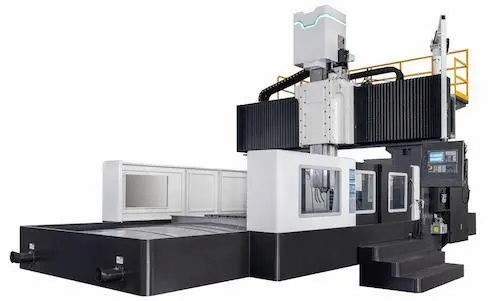
A stock image related to Multi-Head Gantry Machining Center.
3 Common User Pain Points for ‘Multi-Head Gantry Machining Center’ & Their Solutions
Scenario 1: Multi-Spindle Synchronization Drift During Heavy-Duty Operations
The Problem: When deploying multiple heads simultaneously on large workpieces—common in aerospace structural components or energy equipment manufacturing—thermal expansion and mechanical wear create differential drift between spindles. Each cutting head generates distinct heat signatures and vibration patterns during heavy-duty cutting. Over extended machining cycles, these variations cause misalignment that compromises micron-level tolerances, resulting in costly scrapping of high-value materials like titanium or hardened steel. This risk intensifies in regions with fluctuating workshop temperatures or inconsistent power grids, where thermal stability and spindle consistency are harder to maintain.
The Solution: Implement automated thermal compensation systems equipped with real-time spindle position monitoring and in-process probing. Rather than running all heads concurrently on critical finishing features, adopt staggered cutting strategies that alternate spindle engagement while maintaining overall cycle efficiency. Specify gantry heads with symmetrical thermal design and high-rigidity construction that resist deformation under heavy cutting loads. Additionally, schedule automated calibration routines between shifts to recalibrate head alignment before precision-critical operations begin, ensuring consistent accuracy across the entire gantry span.
Scenario 2: Programming Complexity and Local Technical Expertise Shortages
The Problem: Multi-head gantry systems require sophisticated CAM programming for collision avoidance, synchronized tool paths, and optimal load distribution between spindles. In emerging manufacturing markets across Africa and South America, the scarcity of technicians experienced in multi-axis, multi-spindle coordination often leads to underutilization—buyers effectively run expensive multi-head machines as single-head units to avoid programming errors. Alternatively, attempts at complex simultaneous operations without proper expertise result in spindle collisions, inefficient tool paths, or excessive tool wear that negate the productivity advantages and create dangerous operational hazards.
The Solution: Prioritize suppliers offering intuitive conversational programming interfaces alongside traditional G-code capabilities, significantly reducing the learning curve for local operators. Invest in offline simulation software that validates multi-head tool paths and collision detection before machine execution. Establish partnerships with regional technical training centers or request on-site training programs from manufacturers to build local expertise. Begin implementation with simpler synchronized operations—such as roughing with multiple identical tools—before advancing to complex independent multi-head machining, allowing your team to build competency incrementally while still improving throughput.
Scenario 3: Capital Utilization Anxiety with Variable Production Demands
The Problem: The substantial capital investment required for multi-head gantry centers—often ranging from $300,000 to over $1 million—creates intense pressure for continuous utilization and rapid ROI. However, manufacturers in developing markets frequently face irregular order flows, diverse part geometries, or small batch sizes that conflict with the machine’s optimal use case: high-volume, consistent production of large components. Long setup times for fixturing massive workpieces further reduce effective spindle time, threatening cash flow and profitability, particularly for mid-sized job shops competing against larger facilities with dedicated production lines.
The Solution: Implement modular fixturing systems and quick-change workholding solutions that drastically reduce changeover times between different part families. Develop strategic partnerships or contract manufacturing agreements to ensure steady workflow during demand lulls, particularly for infrastructure or energy sector projects common in target regions. Configure the machine with automatic tool changers and pallet pool systems to maximize spindle utilization during unattended night shifts. When evaluating purchases, opt for flexible head configurations that allow rapid conversion between single-head precision work and multi-head mass production, ensuring the asset remains productive across varying contract types and market conditions.
Strategic Material Selection Guide for Multi-Head Gantry Machining Center
Selecting optimal workpiece materials for multi-head gantry machining centers requires balancing structural demands against machining economics in high-volume production environments. These systems excel at processing large-format components—often exceeding 3,000mm—where simultaneous multi-spindle operations maximize throughput and minimize setup inconsistencies. Your material choice directly impacts tool life, cycle times, thermal management, and capital equipment utilization rates across diverse industrial sectors. For manufacturers in Nigeria, Brazil, and the Middle East targeting aerospace, energy, or heavy machinery markets, understanding material-specific machining characteristics ensures gantry investments deliver projected ROI.
Which Material Properties Optimize Multi-Head Synchronization for Large Cast Iron Components?
Gray cast iron (FC300/FC350) remains the backbone of machine tool construction and large automotive mold manufacturing across emerging markets. Its superior vibration damping characteristics—critical when multiple heads operate simultaneously on expansive surfaces—prevent harmonic resonance that could compromise geometric tolerances and surface finish. The material’s self-lubricating graphite structure allows aggressive milling speeds despite moderate hardness, though the abrasive silica content in higher grades accelerates tool wear. When processing large injection molds or press dies on multi-head gantries, the material’s dimensional stability during machining minimizes residual stress distortion. For Nigerian and Brazilian manufacturers focusing on heavy machinery or automotive tooling, cast iron offers excellent cost-efficiency for components requiring high compressive strength and thermal stability, though its brittleness necessitates careful handling during fixture design.
How Does High-Tensile Steel Impact Cutting Strategy in Gantry Systems?
Normalized alloy steels (4140, 4340, or regional equivalents) dominate energy sector applications, including wind turbine hubs, hydraulic press components, and offshore platform structures requiring high fatigue resistance. When machined on multi-head gantries, these materials demand robust spindle torque exceeding 30kW and rigid fixturing to prevent workpiece deflection during heavy roughing operations. The material’s consistent chip formation and uniform hardness suit synchronized multi-head roughing strategies, allowing balanced load distribution across spindles. While offering exceptional weldability and strength-to-weight ratios for heavy machinery frames, alloy steels generate significant thermal loads during high-speed milling, necessitating through-spindle coolant systems to prevent work hardening. European manufacturers particularly favor these grades for large-format transmission components where structural integrity outweighs marginal increases in machining costs.
Why Are Aluminum Alloys Critical for Lightweight Large-Format Manufacturing?
Aerospace panel producers and high-performance automotive manufacturers increasingly specify 7075-T6 aluminum for gantry-based multi-head processing of large structural skins and rib assemblies. The material’s exceptional strength-to-weight ratio—superior to many steels—enables rapid acceleration during simultaneous five-axis contouring, maximizing the productivity advantage of multiple cutting heads working on expansive surfaces. Unlike ferrous materials, aluminum allows aggressive spindle speeds (15,000+ RPM) and high feed rates, reducing cycle times for complex geometries. However, workpiece rigidity becomes problematic with thin-walled aerospace components; gantry systems must employ vacuum fixturing, adaptive machining strategies, and synchronized head movements to prevent harmonic chatter. The material’s tendency toward gummy chip formation requires polished tool coatings and optimized flute geometries to maintain surface integrity and prevent chip recutting in multi-head configurations.
What Challenges Does Titanium Present for Multi-Head Gantry Operations?
Aerospace structural brackets, chemical processing vessels, and defense components utilize titanium alloys where corrosion resistance and strength retention at 400°C+ are non-negotiable specifications. Multi-head gantry systems processing titanium face extreme thermal management challenges; the material’s poor thermal conductivity (1/6th of steel) concentrates heat at cutting edges, rapidly degrading carbide tools and necessitating frequent indexable insert changes. Successful operations require reduced surface speeds (30-50 m/min), high-pressure through-tool coolant delivery, and ultra-rigid machine structures to withstand the high cutting forces without inducing chatter. While machining costs run 3-5x higher than aluminum, the ability to finish large titanium aerospace monoliths in single setups—leveraging multiple heads for segregated roughing and finishing zones—justifies the investment for high-value European and Middle Eastern contractors
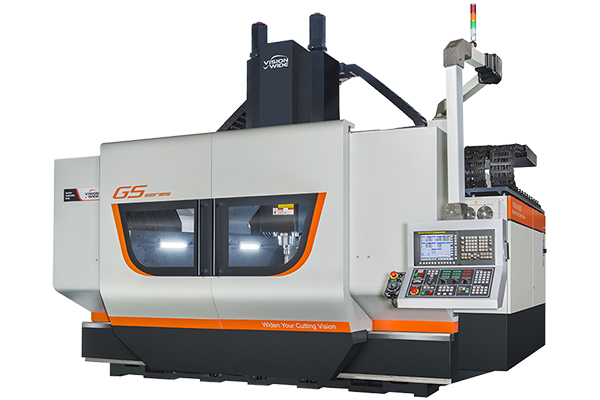
A stock image related to Multi-Head Gantry Machining Center.
In-depth Look: Manufacturing Processes and Quality Assurance for Multi-Head Gantry Machining Center
Multi-head gantry machining centers represent the convergence of massive structural engineering and micron-level precision, creating unique manufacturing challenges that directly impact long-term operational ROI. For procurement teams in emerging industrial markets—from Nigerian automotive plants to Brazilian aerospace suppliers—understanding the manufacturing DNA and quality assurance architecture is essential for evaluating machine reliability in demanding environments. The complexity of synchronizing multiple cutting heads across expansive work envelopes demands rigorous fabrication protocols that exceed standard machining center production methods.
How Is the Gantry Structure Engineered for Multi-Head Stability?
The foundation of any multi-head gantry system begins with the structural bed and column assembly, typically constructed from high-grade Meehanite cast iron or stress-relieved welded steel plate. Manufacturers employ Finite Element Analysis (FEA) during the design phase to simulate load distributions across multiple cutting heads operating simultaneously. Following rough machining, these massive components undergo artificial aging processes—natural seasoning for castings or vibratory stress relief for welded fabrications—to eliminate internal residual stresses that could compromise geometric accuracy over time. This thermal stabilization is particularly critical for buyers in tropical climates, where ambient temperature fluctuations can exacerbate material instability if not properly addressed during manufacturing.
What Precision Machining Techniques Ensure Geometric Accuracy?
The manufacturing of guideways and mounting surfaces requires specialized CNC floor-type boring mills and guideway grinding machines capable of handling components weighing several tons. Critical surfaces undergo precision scraping or Turcite coating application to achieve the required 0.01mm/m flatness specifications necessary for multi-head synchronization. Spindle housings are machined in temperature-controlled environments (typically ±1°C) to ensure concentricity within 0.005mm, as any deviation amplifies across the gantry span when multiple heads operate in tandem. For heavy-duty configurations intended for roughing operations, manufacturers often integrate hardened and ground box ways rather than linear guides, providing the damping characteristics essential for chatter-free heavy cuts on large workpieces.
How Are Multiple Spindle Heads Manufactured and Calibrated?
Each milling head undergoes individual assembly and testing before integration into the gantry system. Spindle bearings are installed using controlled pre-load techniques to optimize rigidity for heavy-duty cutting while maintaining thermal stability during high-speed operation. When configuring multi-head setups, manufacturers utilize laser tracking systems to map each spindle’s geometric relationship to the machine coordinate system, establishing precise positional data that feeds into the CNC’s synchronization algorithms. For applications requiring angular machining capabilities, right-angle and universal milling heads are manufactured with hardened alloy steel bevel gears and precision-ground flanges to maintain 0.001mm repeatability when indexed. This modular head manufacturing approach allows buyers to customize configurations—mixing high-torque roughing heads with high-speed finishing heads—while maintaining interchangeability accuracy.
What Quality Assurance Protocols Validate Multi-Head Synchronization?
Quality verification extends beyond individual component inspection to holistic system validation using laser interferometry and ballbar analysis. Positioning accuracy is verified across the entire gantry span using Renishaw or Heidenhain laser systems, with multi-head machines requiring specific validation of head-to-head positional repeatability within 0.015mm. Circular interpolation tests using telescoping ballbars identify servo mismatch and backlash between coordinated axes—critical for mold machining applications where surface finish depends on smooth toolpath execution. Additionally, manufacturers conduct thermal drift tests, monitoring spindle growth and structural deformation over 8-hour continuous operation cycles to validate compensation algorithms embedded in the CNC control.
How Does Heat Treatment Impact Long-Term Machining Consistency?
Critical structural components undergo multiple heat treatment cycles during manufacturing. Castings receive normalizing heat treatment to refine grain structure, followed by stress-relief annealing after rough machining to stabilize dimensions before finish grinding. Spindle shafts and gearboxes undergo case hardening or through-hardening processes to achieve 58-62 HRC surface hardness, ensuring wear resistance during continuous heavy cutting. For buyers operating in high-humidity environments, manufacturers should provide documentation of anti-corrosion treatments applied to internal cavities and unmachined surfaces, preventing the micro-pitting that can compromise long-term geometric accuracy.
What Documentation and Certification Should International Buyers Demand?
Comprehensive quality documentation should include material certificates for all critical castings and forgings, bearing preload test reports, and laser calibration certificates traceable to national standards. CE-compliant machines require verification of electrical safety and electromagnetic compatibility during the manufacturing phase, while ISO 9001-certified facilities provide process traceability through manufacturing travelers that document each machining, heat treatment, and inspection operation. For emerging market buyers, requesting Factory Acceptance Test (FAT) protocols—including heavy cutting test pieces machined at rated power—provides tangible verification that the machine meets specified metal removal rates and surface finish requirements before shipment.
Pre-Delivery Inspection: What Final Tests Validate Performance?
Prior to disassembly for shipping, complete gantry systems undergo 72-hour continuous run-in procedures to seat bearings and identify early-stage anomalies. Cutting trials utilize certified test workpieces that simulate the buyer’s specific application—whether roughing large steel weldments or finishing aluminum aerospace components—verifying that multi-head coordination maintains specified tolerances under actual chip load conditions. Vibration analysis of each spindle ensures balance quality meets ISO 1940 G2.5 or better standards, critical for preventing chatter when multiple heads engage simultaneously. These rigorous final inspections ensure that upon installation, the machine delivers the productivity and accuracy specifications promised during the procurement phase, minimizing costly commissioning delays in overseas facilities.
Practical Sourcing Guide: A Step-by-Step Checklist for ‘Multi-Head Gantry Machining Center’
Procuring a multi-head gantry machining center represents a significant capital investment requiring careful evaluation of simultaneous machining capabilities, workpiece geometry, and regional operational constraints. For manufacturers across Africa, South America, and the Middle East managing large-scale components—whether aerospace structures or energy equipment—systematic verification of technical specifications and local support infrastructure ensures your selected system delivers sustained productivity in demanding industrial environments.
1. How Do You Calculate the Required Gantry Span and Head Configuration for Your Largest Workpieces?
Begin by documenting the maximum dimensions, weight, and material density of your heaviest components, including projected future production requirements. Multi-head configurations demand precise calculation of minimum inter-head spacing to prevent collision while maximizing simultaneous cutting efficiency across large surfaces. Verify the gantry’s structural rigidity specifications—particularly for heavy-duty cutting applications common in aerospace structures and energy equipment manufacturing—to ensure absolute stability during high-load material removal operations without deflection.
2. What Spindle Specifications and Power Requirements Match Your Material Removal Needs?
Analyze your required material removal rates and surface finish tolerances to determine appropriate spindle power, torque curves, and speed ranges for each independent head. For operations in regions with variable power infrastructure like Nigeria or Brazil, confirm voltage stability requirements and whether the machine includes integrated power conditioning or surge protection systems. High-rigidity spindles capable of maintaining micron-level precision prove essential when executing heavy-duty cutting across multiple heads simultaneously on complex geometries.
3. How Can You Verify CNC Integration Capabilities for Multi-Axis Synchronization?
Assess whether the CNC system supports true multi-channel control architecture, enabling independent or synchronized operation of each gantry head without computational lag or interference. Confirm compatibility with your existing CAM software, post-processors, and factory automation protocols, particularly if integrating the gantry into Industry 4.0 smart manufacturing lines. The control system should facilitate seamless multi-angle machining when equipped with angle heads, expanding your capability to machine intricate freeform surfaces and undercuts without workpiece repositioning.
4. What Infrastructure and Foundation Requirements Should You Assess Before Shipping?
Gantry machining centers impose substantial floor loading requirements that often necessitate reinforced concrete foundations with specific vibration damping characteristics and anchor bolt patterns. Evaluate your facility’s ceiling height for overhead crane clearance during installation, and verify three-phase electrical supply capacity—particularly critical for multi-head configurations drawing significant simultaneous power. For buyers in emerging markets, confirm shipping route accessibility, port handling capabilities, and customs documentation requirements for oversized machinery that may exceed standard container dimensions.
5. How Do You Evaluate After-Sales Technical Support Availability in Your Region?
Prioritize suppliers demonstrating established service networks, technical partnerships, or authorized representatives within your specific country—whether Nigeria, Brazil, or Middle Eastern markets. Verify guaranteed response time commitments for critical spindle or CNC system failures, and confirm availability of localized spare parts inventories for high-wear components like spindle bearings and drive systems. Remote diagnostic capabilities become invaluable when managing complex multi-head synchronization issues across international time zones, minimizing costly production downtime.
6. What Training Protocols Ensure Your Team Masters Multi-Head Programming and Maintenance?
Secure comprehensive training programs covering simultaneous multi-head programming techniques, collision avoidance system calibration, and preventive maintenance schedules specific to gantry mechanics and linear guide systems. Ensure hands-on training includes instruction on angle head utilization for multi-directional machining and troubleshooting protocols for maintaining micron-level precision during extended operations. Documentation and training materials should be available in your team’s primary language to minimize operational errors during complex setups and ensure safe handling of heavy cutting operations.
Comprehensive Cost and Pricing Analysis for Multi-Head Gantry Machining Center Sourcing
Multi-head gantry machining centers represent significant capital investments that vary dramatically based on configuration complexity, regional sourcing, and integration requirements. Unlike standard single-spindle gantries, multi-head configurations introduce exponential cost considerations tied to simultaneous machining capabilities, control system sophistication, and custom automation integration. Understanding these financial dynamics enables procurement teams across Nigeria, Brazil, and European markets to structure viable acquisition strategies aligned with production demands.
What Factors Determine the Investment Level for Multi-Head Gantry Systems?
The pricing architecture for multi-head gantries extends far beyond the base machine cost. Each additional machining head—whether for simultaneous roughing and finishing operations or multi-part processing—typically adds 25-40% to the base unit price, excluding specialized tool magazines and independent servo systems. High-rigidity gantry heads designed for heavy-duty cutting of large aerospace or energy components command premium pricing due to reinforced structural elements and precision spindle technologies. Furthermore, the integration of angle heads for complex geometry machining and automated pallet systems for continuous production workflows significantly impacts final quotations.
How Do Regional Manufacturing Origins Impact Pricing Structures?
Sourcing geography creates substantial pricing stratification in the gantry machining center market. Taiwanese and mainland Chinese manufacturers typically offer multi-head configurations at 40-60% lower price points than European or Japanese counterparts, while maintaining competitive rigidity specifications for standard applications. However, buyers in emerging markets must weigh initial savings against long-term support infrastructure availability. European manufacturers justify higher premiums through advanced thermal compensation systems and micron-level precision capabilities essential for mold-making and aerospace applications, whereas Asian suppliers often provide superior flexibility in custom head configurations and faster delivery timelines.
What Are the Hidden Costs Beyond the Initial Purchase Price?
Comprehensive budgeting must account for foundation requirements, as multi-head gantries generate significant dynamic loads requiring specialized vibration-dampening installations costing 8-15% of the machine price. International buyers frequently underestimate freight complexity—oversized gantry components often necessitate breakbulk shipping rather than containerization, increasing logistics expenditures by 20-30%. Additionally, localized operator training for multi-head synchronization programming and specialized CAM software licensing represent recurring operational investments that impact total cost of ownership calculations.
How Can Buyers Optimize ROI Through Configuration Choices?
Strategic specification balancing maximizes return on investment for diverse industrial applications. Buyers should prioritize independent servo control systems for each head rather than mechanical linkages, despite higher upfront costs, as they enable asynchronous machining operations that double throughput for batch production. Evaluating modular head systems from specialized manufacturers allows future scalability without complete machine replacement. For markets with limited local technical support, selecting configurations with standardized control architectures reduces maintenance costs and spare parts lead times, ensuring sustainable operational economics across the machine’s lifecycle.
Alternatives Analysis: Comparing Multi-Head Gantry Machining Center With Other Solutions
When evaluating capital equipment for large-part manufacturing, procurement teams must weigh the multi-head gantry’s simultaneous processing capabilities against established alternatives. While the integrated multi-head configuration excels in unified heavy-cutting operations and maximizes floor space efficiency, Vertical Machining Centers (VMCs) and distributed single-head gantry arrays present distinct economic and operational trade-offs. The optimal selection depends on your facility’s footprint constraints, batch volume consistency, local technical support availability, and capital recovery timeline.
Which Machining Solution Delivers the Best ROI for Large-Scale Production?
| Comparison Aspect | Centro de usinagem de pórtico com vários cabeçotes | Vertical Machining Center (VMC) | Multiple Single-Head Gantry Systems |
|---|---|---|---|
| Initial Capital Investment | High (single machine, complex synchronized controls) | Moderate to Low (widely available, standard configurations) | High (multiple machines, duplicated infrastructure) |
| Production Throughput | Very High (simultaneous multi-face machining) | Moderate (sequential operations, multiple setups required) | High (parallel processing but requires inter-machine logistics) |
| Workpiece Size Capacity | Excellent (large envelope, heavy load capacity) | Limited (constrained by table size and spindle reach) | Excellent (distributed capacity across units) |
| Floor Space Efficiency | High (consolidated footprint, single foundation) | Moderate (compact but limited capacity per unit) | Low (requires multiple machine footprints and access aisles) |
| Operational Flexibility | High (quick head configuration changes for complex geometries) | High (general purpose, easy reprogramming for diverse parts) | Moderate (rigid cell layout, complex scheduling) |
| Energy & Utility Requirements | Concentrated high load (requires robust power supply) | Moderate per unit (standard industrial connections) | Multiplied consumption across distributed units |
| Maintenance & Support | Specialized (requires expert technicians, longer service intervals) | Standard (widely supported globally, readily available parts) | Distributed (more units to service, duplicated maintenance contracts) |
| Implementation Timeline | Longer (requires specialized foundation and installation) | Short (plug-and-play, minimal site preparation) | Extended (multiple installations and cell integration) |
How Do Vertical Machining Centers Compare for Heavy-Duty Manufacturing?
For facilities prioritizing lower upfront expenditure and rapid deployment, Vertical Machining Centers present a compelling alternative particularly suited for emerging markets with budget constraints. These systems excel in general-purpose machining and require minimal foundation work, making them attractive for rental facilities or workshops in regions like Nigeria or Brazil where space and capital are limited. However, VMCs impose strict constraints on workpiece dimensions and weight, often necessitating complex fixturing and multiple setups for large energy or aerospace components. While operating costs remain moderate and technical support networks are well-established across Africa and South America, the reduced material removal rates and inability to perform simultaneous multi-face operations typically result in significantly longer lead times for large-scale production runs, potentially limiting contract viability for heavy-industry clients.
Are Distributed Single-Head Gantry Arrays More Cost-Effective Than Integrated Multi-Head Systems?
Some manufacturers opt for multiple standalone single-head gantries rather than investing in one unified multi-head unit, seeking operational redundancy and incremental capital deployment. This strategy ensures that if one unit requires maintenance, production continues on others, and it allows for gradual scaling of capacity. Yet this approach consumes significantly more factory floor space and duplicates auxiliary infrastructure like coolant management systems and chip conveyance, increasing facility overhead. Coordination complexity rises substantially, as work-in-process must move between stations, creating logistical bottlenecks and requiring sophisticated production planning. For regions where skilled CNC operators are scarce, managing several independent machines with different control interfaces often proves more challenging than operating one sophisticated multi-head controller, despite the latter’s steeper initial learning curve and higher single-point investment.
Essential Technical Properties and Trade Terminology for Multi-Head Gantry Machining Center
When procuring capital-intensive equipment for markets across Nigeria, Brazil, or the Middle East, understanding the precise technical specifications and industry terminology of multi-head gantry machining centers ensures alignment between your production targets and actual machine capabilities. These parameters directly impact throughput for large-scale infrastructure components, energy equipment, and heavy automotive molds.
What Technical Specifications Determine Multi-Head Gantry Performance?
Inter-Spindle Pitch (Center Distance) refers to the fixed or adjustable distance between adjacent spindle centers. This dimension dictates your minimum part spacing and maximum fixture density. For operations processing large panels or multiple simultaneous workpieces, verify whether the pitch accommodates standard blank sizes without compromising structural rigidity between heads.
Simultaneous Multi-Axis Control describes the CNC system’s capacity to coordinate motion across X/Y/Z axes while managing multiple independent heads. Prioritize systems offering true simultaneous interpolation rather than simple start-stop synchronization, as this capability significantly reduces cycle times when machining complex geometries across several contact points.
Spindle Power Density calculates the distribution of total kilowatt output across individual motors. Unlike single-spindle configurations, multi-head systems divide power among several cutting points. Ensure each spindle maintains adequate torque for heavy-duty cutting operations typical in mold manufacturing and large component machining.
Positioning Accuracy and Repeatability indicate deviation from target coordinates during movement and return-to-position cycles. High-end gantry systems typically achieve positioning accuracy within ±0.005mm/300mm and repeatability within ±0.003mm—critical metrics for aerospace structures and precision dies where micron-level tolerances prevent costly rework.
Work Envelope and Y-Axis Travel define the maximum machinable volume, with particular attention to Y-axis (cross-rail) travel determining width capacity between upright columns. This specification proves essential when accommodating large fixtures or multiple component rows common in heavy machinery and shipbuilding applications.
Table Load Capacity, expressed in tons per square meter or total maximum load, indicates structural integrity under heavy workpieces. Verify both static and dynamic load ratings to prevent gantry deflection during aggressive cutting of cast iron or steel components.
Which Industry Terms Should Procurement Teams Master?
Plano Milling describes specialized operations for machining large flat surfaces on heavy components. In multi-head contexts, this involves using several heads to sweep across vast surface areas simultaneously, dramatically reducing processing time for bed plates and machine bases.
Universal Milling Heads (Angle Heads) provide additional rotary axes (typically A/C or B/C axes) to the main spindle, enabling machining of angled surfaces and undercuts without repositioning the workpiece. These attachments prove essential for complex cavity work in mold making and aerospace structural components.
C-Axis Indexing represents the rotational positioning capability of the spindle in discrete angular increments, often achieving 0.001° resolution. This function allows precise orientation for drilling angled holes or milling features at specific degrees around a central axis.
RTCP (Rotation Tool Center Point) is a kinematic compensation function where the CNC automatically adjusts machine axes to maintain the tool tip at programmed coordinates while the head rotates. This capability ensures surface finish quality during complex simultaneous multi-axis operations.
Synchronized Multi-Head Operation denotes the coordination mode where multiple cutting heads execute identical or mirrored toolpaths simultaneously on separate workpieces or symmetrical sections of a single large part, effectively doubling or tripling throughput compared to single-head cycles.
Heavy-Duty Cutting (HDC) refers to aggressive material removal involving high chip loads and deep cuts exceeding 10,000N of force. Multi-head gantries designed for HDC feature reinforced box-way guideways and high-rigidity spindle bearings essential for infrastructure and energy sector manufacturing.
Mastering these specifications enables procurement teams to conduct meaningful technical audits beyond brochure comparisons, ensuring selected equipment delivers the productivity and precision required for competitive manufacturing operations in demanding industrial markets.
Navigating Market Dynamics and Sourcing Trends in the Multi-Head Gantry Machining Center Sector
What Are the Current Market Dynamics Driving Multi-Head Gantry Machining Center Adoption?
The global multi-head gantry machining center market is experiencing robust expansion, fueled by accelerating infrastructure projects across emerging economies in Africa and South America, alongside modernization initiatives in the Middle East and Eastern Europe. Industries ranging from aerospace structural component manufacturing to heavy-duty mold making are increasingly demanding solutions capable of simultaneous multi-surface machining on oversized workpieces. This shift reflects a broader operational imperative: maximizing throughput while maintaining micron-level tolerances on large-scale components such as wind turbine housings, automotive stamping dies, and energy sector pressure vessels. Buyers in Nigeria and Brazil specifically seek equipment that balances heavy-duty cutting capacity with adaptability to diverse material specifications, from hardened steels to aluminum alloys used in regional manufacturing growth sectors. Additionally, shipbuilding and railway infrastructure projects across these regions are driving demand for gantry systems capable of processing elongated structural beams and complex weldments with high efficiency.
Regional procurement patterns reveal distinct preferences among B2B buyers that extend beyond price considerations. While European markets prioritize Industry 4.0 integration and digital twin compatibility for precision engineering applications, Middle Eastern buyers emphasize dust-resistant designs and thermal stability for high-temperature operating environments. African manufacturers often require mobile-friendly control interfaces and robust power conditioning systems to accommodate variable electrical grid conditions. The proliferation of smart manufacturing technologies has elevated expectations for CNC interoperability, with modern gantry systems now requiring seamless connectivity to centralized manufacturing execution systems (MES) and predictive maintenance platforms. This technological convergence is driving demand for modular gantry heads that can be retrofitted with angle milling attachments, enabling complex geometry machining without workpiece repositioning—a critical efficiency factor for manufacturers serving automotive and aerospace supply chains with tight delivery schedules.
How Is Automation Reshaping Sourcing Strategies for Gantry Machining Solutions?
The integration of multi-head configurations with intelligent automation represents a paradigm shift from standalone equipment procurement to holistic production ecosystem investments. Buyers are no longer evaluating machines solely on spindle specifications; instead, they assess compatibility with robotic loading systems, automated pallet changers, and real-time process monitoring capabilities that minimize human intervention during extended machining cycles. This evolution demands that procurement teams develop sophisticated technical evaluation criteria, particularly when sourcing high-rigidity angle head attachments and modular milling heads that expand machining flexibility beyond traditional three-axis limitations. The ability to perform multi-directional cutting simultaneously across multiple heads has become a decisive competitive advantage for fabricators handling large molds and structural components, effectively reducing cycle times by 40-60% compared to single-head configurations.
Supply chain resilience has emerged as a critical determinant in vendor selection, with forward-thinking buyers diversifying their supplier portfolios across established manufacturing hubs in Taiwan, Germany, and China. Given the extended lead times associated with precision gantry systems, procurement professionals are increasingly favoring vendors offering localized technical support, spare parts warehousing, and remote diagnostic capabilities. This strategic approach recognizes that gantry machining centers—given their massive footprint and complex calibration requirements—demand responsive after-sales service networks rather than transactional supplier relationships. For buyers in Brazil and Nigeria, understanding import tariff structures and establishing clear Incoterms regarding installation and commissioning has become essential, as improper logistics planning can significantly delay production ramp-up. Additionally, buyers should verify that potential suppliers provide comprehensive training programs for multi-head operation and maintenance, ensuring that local technical teams can optimize the sophisticated synchronization required for simultaneous cutting operations.
What Role Does Sustainability Play in Ethical Sourcing of Heavy Machining Equipment?
Sustainability in the multi-head gantry sector extends beyond immediate energy consumption metrics to encompass total lifecycle equipment longevity and circular manufacturing principles. Ethical sourcing now requires verification that suppliers utilize high-grade castings and precision components designed for decades of operational life, thereby reducing the carbon footprint associated with premature equipment replacement and minimizing industrial waste. B2B buyers should prioritize manufacturers demonstrating adherence to ISO 14001 environmental management standards and those utilizing eco-friendly coolant systems, regenerative
Frequently Asked Questions (FAQs) for B2B Buyers of Multi-Head Gantry Machining Center
1. What is a multi-head gantry machining center and how does it differ from standard gantry mills?
A multi-head gantry machining center is a bridge-type CNC machine featuring two or more independently controlled spindle heads mounted on a shared gantry beam. Unlike single-head configurations where one spindle performs operations sequentially, multi-head systems enable simultaneous machining of multiple features or separate workpieces within the same large work envelope. This architecture combines the rigidity and stability of traditional gantry designs with parallel processing capabilities, making it ideal for high-volume production of large components such as aerospace panels, mold bases, and energy sector equipment.
How do multi-head gantry machining centers improve throughput compared to single-head models?
2. What productivity advantages do multi-head configurations offer over single-head gantry systems?
Multi-head gantry centers deliver exponential throughput improvements by enabling parallel processing strategies that single-head machines cannot match. While a single head must complete operations sequentially, multiple heads can rough and finish simultaneously, effectively dividing cycle time by the number of active spindles. This configuration eliminates idle time during tool changes through staggered operations and maximizes the utilization of the machine’s large work cube. For B2B buyers in high-volume sectors like automotive or heavy machinery manufacturing, this translates to significantly improved capital equipment efficiency and faster return on investment through reduced per-part processing costs.
Which industries benefit most from multi-head gantry machining center investments?
3. What industries commonly utilize multi-head gantry machining centers for large-scale production?
These systems are predominantly deployed in industries requiring high-precision machining of oversized components with complex geometries. Key sectors include aerospace manufacturing for wing spars and fuselage sections, energy production for wind turbine nacelles and oil/gas extraction equipment, and automotive manufacturing for large stamping dies and chassis components. Emerging market buyers, particularly in resource-rich regions like Nigeria and Brazil, increasingly deploy these machines for heavy equipment used in agriculture, mining, and infrastructure development, where processing large weldments and castings efficiently is critical for competitive manufacturing.
What budget parameters should B2B buyers expect when sourcing multi-head gantry systems?
4. What is the typical investment range for a multi-head gantry machining center and what drives pricing variations?
Investment levels typically range from $300,000 for entry-level dual-head configurations to over $3 million for high-end systems with five or more heads, advanced automation, and extended travel distances. Pricing variables include the number of spindle heads, table size (ranging from 2-meter to 20-meter+ spans), CNC control sophistication (Siemens, Fanuc, or Heidenhain), and additional features like automatic head changers or integrated pallet systems. B2B buyers should also budget for foundation preparation, which can represent 10-15% of total project costs due to the massive weight and vibration damping requirements of these machines.
How can buyers evaluate structural rigidity for heavy-duty multi-head operations?
5. What structural specifications ensure stability during simultaneous heavy cutting with multiple heads?
When evaluating rigidity, prioritize machines featuring cast iron or polymer concrete gantry beams with box-way construction rather than linear guides for heavy-duty applications. Look for ribbed column designs that minimize deflection when both heads engage in full-load cutting, and verify that the machine bed utilizes hydrostatic or rolling guideway systems designed for high damping characteristics. Thermal stability systems, including chilled spindle bearings and temperature-controlled ball screws, are essential for maintaining micron-level precision when multiple heat-generating spindles operate simultaneously. Request finite element analysis (FEA) documentation from manufacturers to verify structural integrity under maximum combined cutting forces.
What automation capabilities should international buyers prioritize for Industry 4.0 integration?
6. How do multi-head gantry machining centers integrate with smart manufacturing and automated production lines?
Modern multi-head gantries serve as central nodes in automated manufacturing cells through integration with robotic loading systems, automatic guided vehicles (AGVs), and centralized manufacturing execution systems (MES). Prioritize machines equipped with Industry 4.0-ready CNC controls offering OPC UA connectivity for real-time data acquisition, remote diagnostics capabilities for international support, and compatibility with common automation protocols. Advanced systems feature intelligent load balancing algorithms that automatically distribute machining tasks between heads based on tool life monitoring and cutting condition optimization, maximizing unattended operation capabilities essential for round-the-clock production in competitive export markets.
How do angle heads and modular tooling expand multi-head gantry capabilities?
7. What tooling configurations maximize the versatility of multi-head gantry machining centers?
Angle heads and universal milling heads transform standard multi-head gantries into five-sided machining centers capable of processing complex geometries without workpiece repositioning. When specifying your system, consider automatic head changing systems that allow each gantry head to switch between vertical, horizontal, and universal orientations automatically from a tool magazine. This capability eliminates the need for multiple setups on large, heavy workpieces that are difficult to reposition. Additionally, investigate machines offering independent tool magazines per head versus shared magazine systems, as independent configurations reduce tool change interference and support diverse machining strategies across different heads simultaneously.
What logistics and support considerations are critical for buyers in Africa, South America, and the Middle East?
8. What are the essential shipping, installation, and after-sales support requirements for international multi-head gantry deployments?
Given the massive dimensions of these machines—often requiring disassembly into sub-assemblies exceeding 40-foot container limits—verify that suppliers provide marine-grade export crating, container loading supervision, and port-of-entry customs documentation support. Installation requires certified technicians for foundation alignment and laser calibration, so confirm the availability of regional service networks or fly-in specialist support with guaranteed response times. For emerging markets, prioritize suppliers offering multilingual operation manuals, voltage compatibility verification (380V/50Hz standard in most target regions), and local spare parts warehousing agreements to minimize downtime. Training programs should include both operator-level instruction and maintenance technician certification to ensure self-sufficient operation in regions where specialized CNC service providers may be limited.
Important Disclaimer & Terms of Use
⚠️ Important Disclaimer
The information provided in this guide, including content regarding manufacturers, technical specifications, and market analysis, is for informational and educational purposes only. It does not constitute professional procurement advice, financial advice, or legal advice.
B2B buyers must conduct their own independent and thorough due diligence before making any purchasing decisions. The risk of relying on any information in this guide is borne solely by the reader.
Top 1 Multi-Head Gantry Machining Center Manufacturers & Suppliers List
1. KRC – CMC-55
Domain: krcmachinetoolsolutions.com
Registered: 2009 (17 years)
Introduction: Product Name: KRC Fusion VI Series (Large Gantry CNC Machines). Type: Modular gantry system with moveable bridge and dual vertical masts on parallel rails. Configuration: Large format machining center capable of 5-axis (milling) or 6-axis (abrasive waterjet) machining. Key Model: CMC-55 (Composite Machining Center – 5.5m Crossbridge) designed for composite aerostructures from ‘Autoclave to Inspect…
Strategic Sourcing Conclusion and Outlook for Multi-Head Gantry Machining Center
How Can African and South American Manufacturers Maximize Productivity with Multi-Head Gantry Configurations?
Multi-head gantry centers deliver parallel processing capabilities essential for high-volume infrastructure components prevalent in Nigeria, Brazil, and similar developing markets. By simultaneously machining multiple surfaces on large, heavy workpieces—such as energy equipment frames or aerospace structures—these systems drastically reduce cycle times while maintaining the rigidity required for heavy-duty cutting. Prioritize suppliers offering modular head configurations, angle head compatibility, and localized technical support to ensure seamless integration and minimize downtime in challenging industrial environments.
What Should Global Buyers Evaluate When Future-Proofing Gantry Investments?
Beyond immediate throughput requirements, evaluate compatibility with smart manufacturing protocols and CNC automation systems that enable unmanned operation during off-peak hours. The flexibility to customize gantry heads for specific materials—from hardened molds to aluminum aerospace components—ensures the investment adapts to evolving market demands. Select partners demonstrating rigorous mechanical optimization, proven after-sales networks across the Middle East and Europe, and capabilities in micron-level precision engineering to safeguard long-term operational continuity.
Strategic sourcing of multi-head gantry machining centers ultimately requires balancing immediate production efficiency with scalable, future-ready technology. For international buyers across diverse industrial landscapes, sustainable competitive advantage emerges through partnerships with manufacturers who deliver customized engineering solutions, comprehensive training, and responsive global support infrastructures.