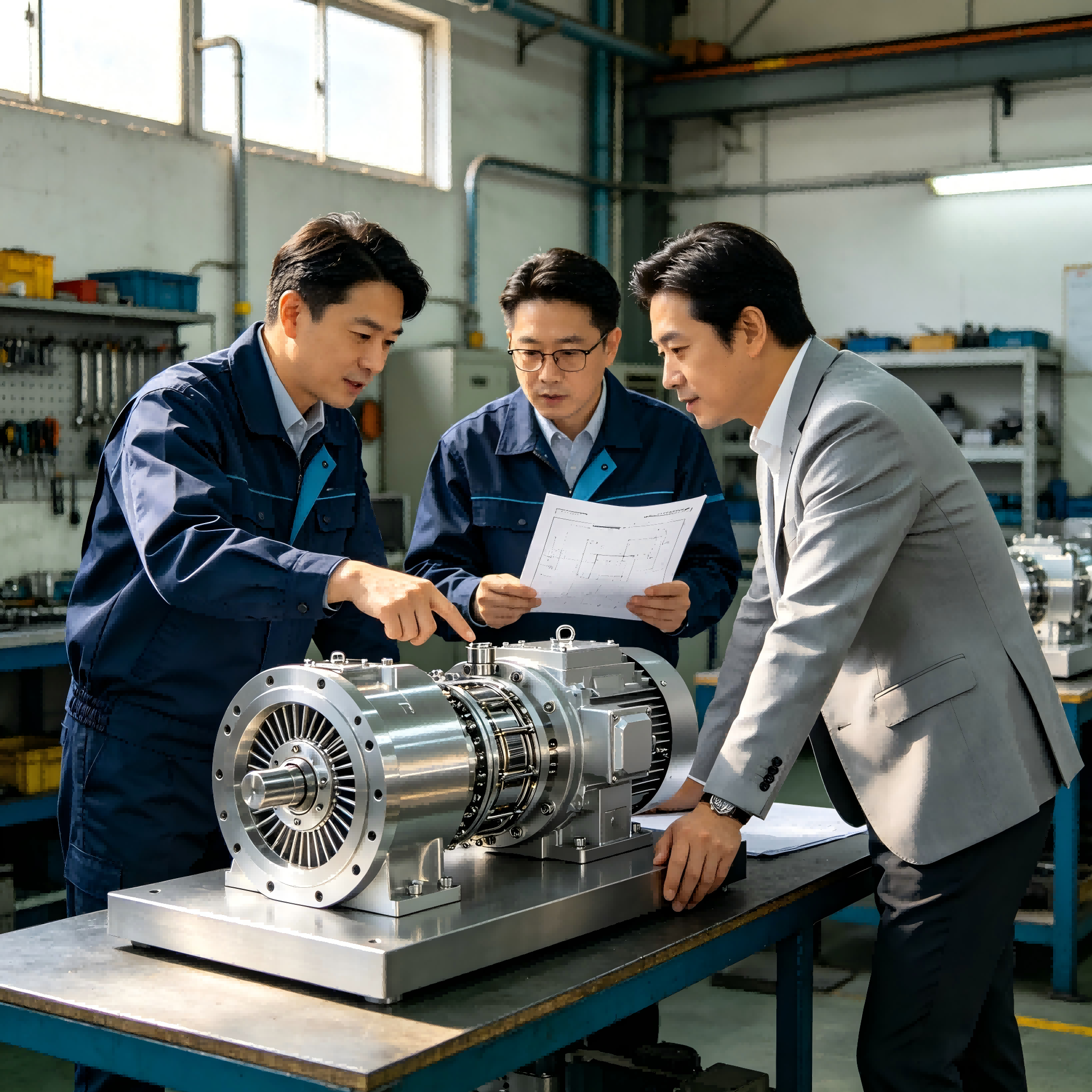
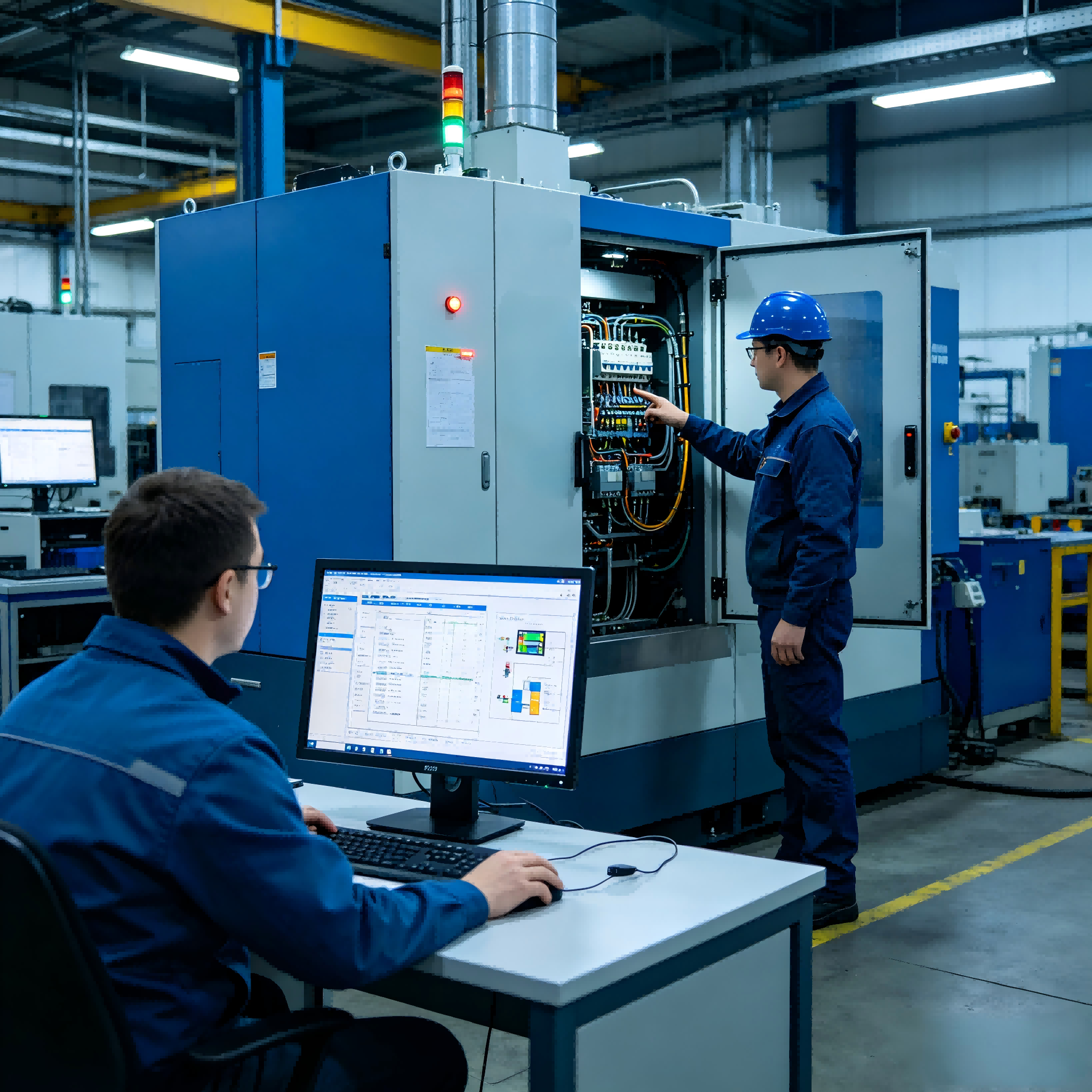

In the intricate ecosystem of heavy industry manufacturing—where pipeline integrity, pressure vessel reliability, and structural connectivity hinge on micrometer-level precision—the flange remains one of the most technically demanding components to machine. These critical connection points, essential to oil and gas infrastructure, power generation systems, and chemical processing plants, require specialized machining capabilities that transcend the limitations of general-purpose CNC equipment. As Industry 4.0 redefines production floors worldwide, the evolution of the Специальный обрабатывающий центр для фланцев represents a pivotal intersection of dedicated engineering and advanced automation.
Today’s manufacturing landscape demands more than mere material removal; it requires intelligent, process-optimized solutions capable of handling large-diameter workpieces with complex hole patterns, tight geometric tolerances, and superior surface finishes—all while maintaining the throughput necessary for competitive production economics. Modern flange machining centers integrate multi-axis CNC controls, automated tool management systems, and real-time process monitoring to eliminate the bottlenecks inherent in conventional vertical or horizontal machining approaches.
For procurement professionals and production engineers, selecting the right machining center transcends capital equipment acquisition—it constitutes a strategic decision impacting cycle times, scrap rates, and long-term operational agility. The convergence of smart manufacturing technologies, including predictive maintenance algorithms and adaptive machining capabilities, has elevated these specialized centers from standalone assets to interconnected nodes within the digital factory.
This comprehensive analysis examines the leading manufacturers driving innovation in flange-specific CNC technology, evaluating their technical specifications, automation integration, and precision engineering capabilities to guide your investment toward enhanced manufacturing efficiency and sustainable competitive advantage.


Buying Guide for Flange Special Machining Center
Buyer’s Guide: Selecting a Flange Special Machining Center for High-Volume Precision Manufacturing
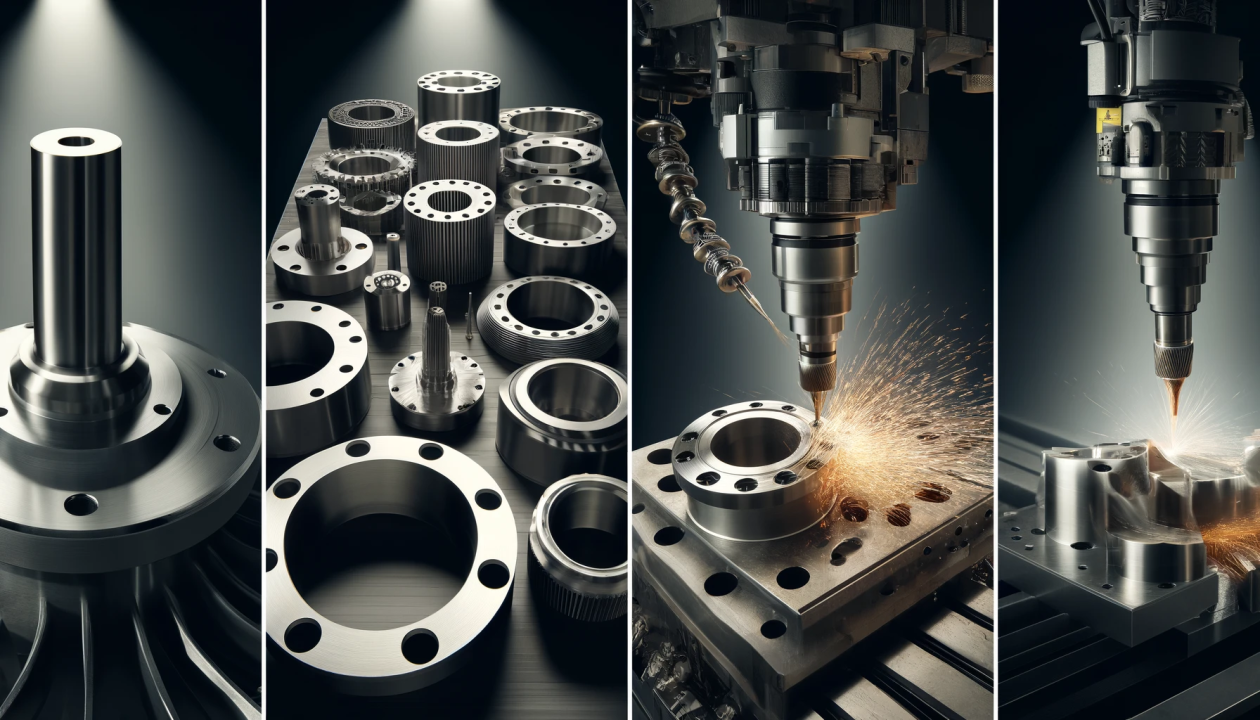
When procuring capital equipment for pipeline component manufacturing, the Flange Special Machining Center represents a critical investment that directly impacts throughput, geometric tolerances, and operational flexibility. Unlike general-purpose vertical machining centers, these specialized platforms are engineered to accommodate the unique geometry of flange workpieces—characterized by large diameters, irregular clamping surfaces, and multi-axis machining requirements for bolt holes, sealing faces, and hub bores.
Before issuing a purchase order, technical buyers must evaluate three core engineering specifications that determine machine capability, longevity, and integration within existing manufacturing ecosystems.
Spindle Speed and Torque Dynamics
The spindle motor configuration represents the primary determinant of material removal rates and surface finish quality in flange production. Given that flange machining involves both heavy stock removal from forged blanks and precision finishing of raised-face sealing surfaces, buyers must analyze the torque-speed curve rather than nominal power ratings alone.
High-Torque Configurations (Low RPM): For large-diameter flanges (ANSI Class 600 and above) constructed from alloy steels or duplex stainless steels, prioritize spindles delivering sustained torque above 800 Nm at speeds below 1,500 RPM. This prevents chatter during full-diameter facing operations and ensures stable cutting when interpolating large bolt circle diameters.
High-Speed Capabilities: If your production mix includes aluminum flanges or requires fine finishing of sealing surfaces (Ra 0.8 μm or better), verify spindle speeds exceeding 6,000 RPM with adequate power reserves. Look for machines offering automatic two-speed gearboxes or direct-drive spindles with constant power bands to eliminate the torque drop-off typically encountered in standard machining centers.
Thermal Management: Inquire about spindle cooling systems—oil-air lubrication or chiller units are essential for maintaining thermal stability during extended roughing cycles, preventing dimensional drift in critical bolt hole positional tolerances.
Structural Rigidity Architecture: Gantry vs. Moving Column
The machine’s structural topology fundamentally dictates vibration damping characteristics and workpiece accessibility, particularly when machining oversized flanges exceeding 2,000 mm diameter.
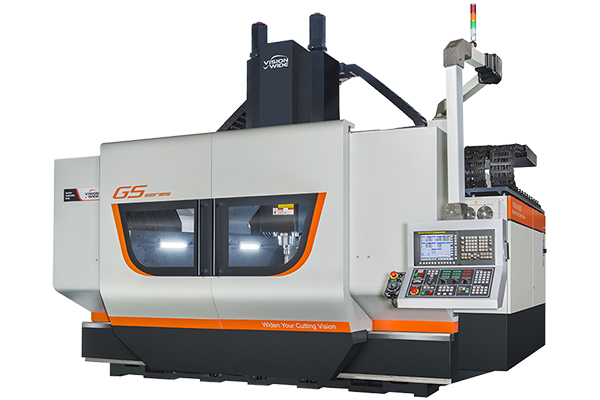
Gantry Configurations: Fixed-bridge gantry designs provide superior rigidity for heavy-duty interrupted cutting typical of cast iron or forged steel flange facing. The double-column structure minimizes tool deflection when performing eccentric drilling on thick-weld neck flanges. However, buyers must verify the gantry clearance height accommodates your largest flange stack-up including fixtures, and assess whether the fixed table design limits automation integration.
Moving Column (C-Frame) Designs: These configurations offer smaller footprints and superior accessibility for overhead crane loading of massive flanges. Modern moving column machines with box-in-box guideway systems and polymer concrete beds can achieve rigidity coefficients approaching gantry designs while providing the flexibility to machine multiple flange sizes without fixture reconfiguration. Evaluate the column travel length carefully—ensure X-axis stroke accommodates your maximum flange diameter plus tool clearance for bolt circle drilling patterns.
Damping Characteristics: Regardless of topology, inspect the machine’s natural frequency specifications. Flange machining generates significant harmonic vibrations during bolt hole drilling; seek systems with reinforced ribbed castings or composite material fill (polymer granite) that maintain dynamic stiffness