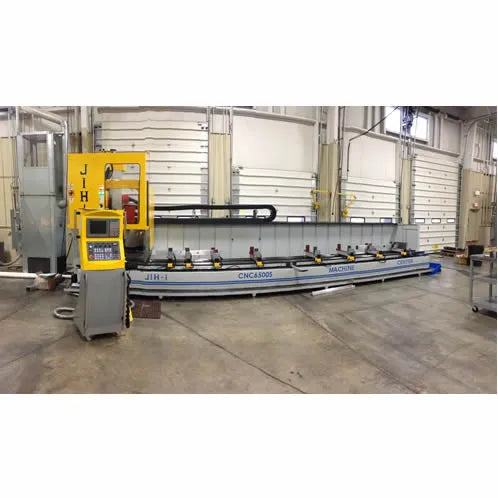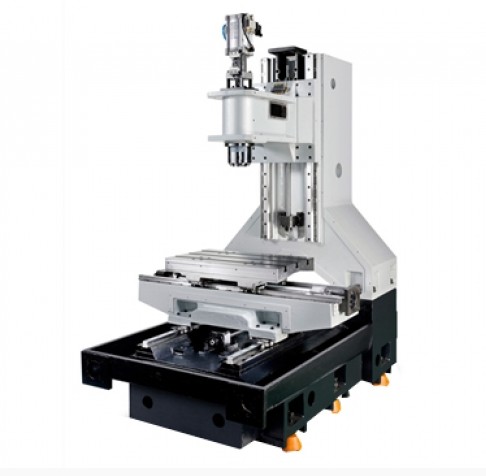
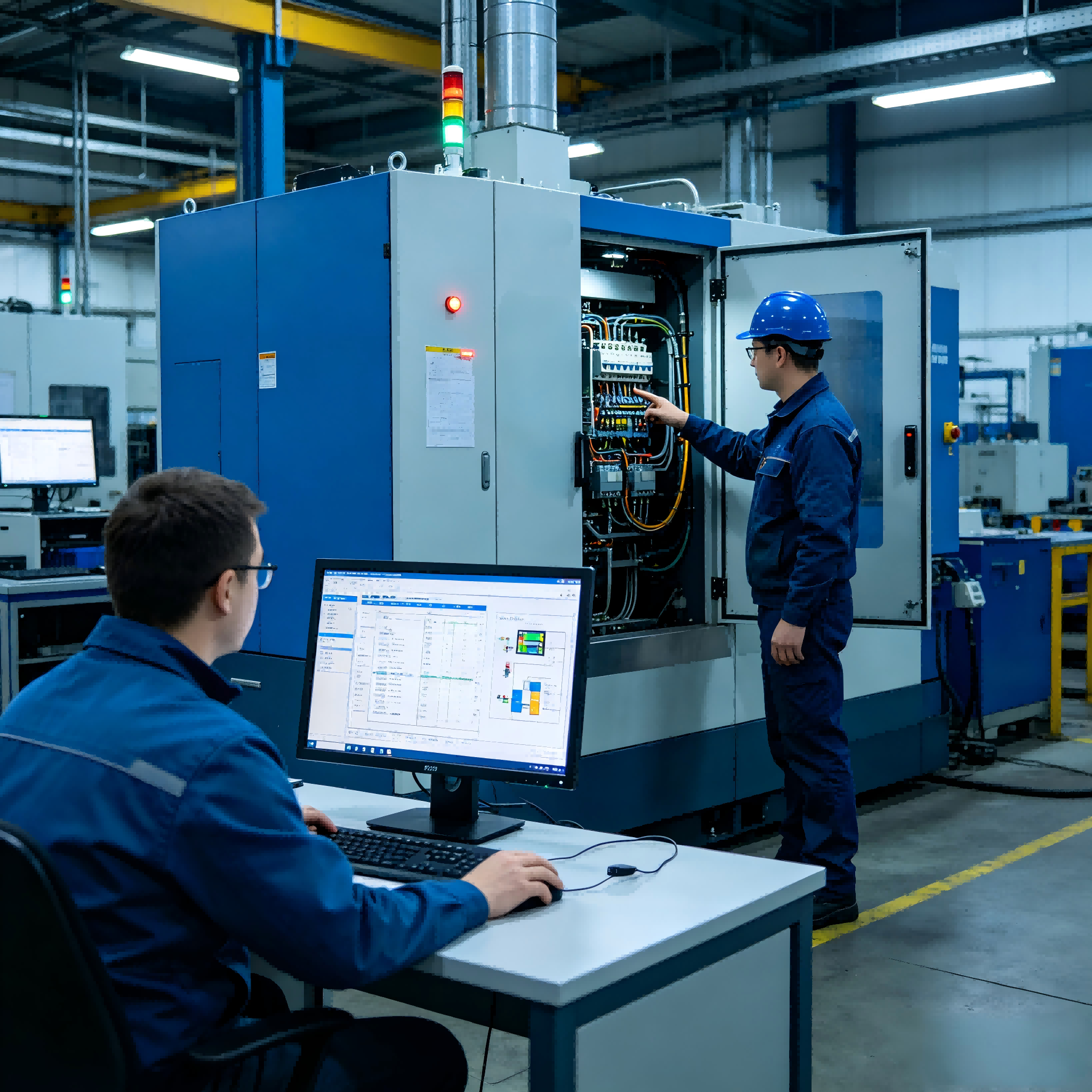

Introduction: Navigating the Global Market for Multi-Spindle Machining Center
Why Are Multi-Spindle Machining Centers Critical for Scaling Manufacturing Operations?
When sourcing multi-spindle machining centers for high-volume precision production, international procurement teams encounter a complex matrix of technical specifications, supplier reliability variables, and regional compliance requirements that directly impact capital investment returns. For manufacturers across Nigeria, Brazil, and the broader Middle Eastern and European markets, the transition from single-spindle operations to automated multi-spindle systems represents a pivotal decision point—one that determines whether they can meet the stringent tolerance requirements (±.0005″) and rapid cycle times demanded by automotive, aerospace, and medical device industries.
What Challenges Does This Guide Address for Global Buyers?
The shift to multi-spindle automatic lathes—featuring 5 to 8 simultaneous spindles and revolving drum indexing that delivers finished parts every few seconds—requires more than technical awareness; it demands strategic supplier vetting and total cost of ownership analysis. This comprehensive resource examines machine configuration options (from traditional mechanical systems to advanced CNC Hybrid machines), material compatibility across aluminum, titanium, and alloy steels, and logistics frameworks for emerging markets. Whether establishing new precision manufacturing capabilities in Lagos or upgrading facilities in São Paulo, this guide provides actionable frameworks for evaluating machine rigidity, automated bar loading capabilities, and post-sales technical support infrastructure—ensuring your investment delivers sustainable competitive advantage in demanding global supply chains.
Understanding Multi-Spindle Machining Center Types and Variations
| Type Name | Key Distinguishing Features | Primary B2B Applications | Brief Pros & Cons for Buyers |
|---|---|---|---|
| Cam-Controlled Multi-Spindle Automatics | Mechanical cam-driven operation, 5-8 spindles on revolving drum, fastest cycle times (sub-20 seconds), rigid bar feeding | High-volume automotive fittings, plumbing hardware, standard fasteners, hydraulic components | Pros: Lowest cost per part, proven reliability, minimal programming requirements. Cons: Long changeover times (4+ hours), limited flexibility for complex geometries, high mechanical maintenance demands. |
| CNC Multi-Spindle Turning Centers | Full CNC programming per spindle, independent servo-driven slides, automatic bar loaders, real-time process monitoring and data logging | Medical implants, aerospace components, complex precision electronics, custom automotive parts | Pros: Rapid changeover (under 30 minutes), complex geometry capability, full production traceability. Cons: 40-60% higher initial investment, requires skilled programmers, slightly slower cycle times than mechanical alternatives. |
| Hybrid Multi-Spindle Systems | Combines mechanical drum indexing with CNC slide controls, servo-driven tooling stations, enhanced rigidity for exotic alloys, automatic loading | Defense components, specialty alloys (Inconel, titanium), high-mix medium-volume production, precision firearms | Pros: Balances speed and flexibility, handles tough materials, shorter setup than full CNC. Cons: Complex maintenance (dual mechanical/electronic systems), higher capital cost than pure mechanical, requires hybrid skill sets. |
| Vertical Multi-Spindle Machining Centers | Vertical spindle orientation, gravity-assisted chip evacuation, multi-station rotary tables, heavy-duty construction for aggressive cutting | Brake rotors, engine blocks, large valve bodies, construction equipment fittings, heavy industrial components | Pros: Superior chip control, stable heavy cutting capabilities, smaller footprint per spindle. Cons: Limited to shorter components (typically under 7″), higher tooling costs, complex workholding requirements. |
What Are Cam-Controlled Multi-Spindle Automatic Lathes and When Should You Invest?
Cam-controlled multi-spindle automatics represent the traditional workhorse of high-volume manufacturing, utilizing mechanical cams to drive 5 to 8 spindles simultaneously through fixed tooling stations. These machines excel in producing millions of identical parts with cycle times often under 20 seconds, making them ideal for commodity fasteners and standard fittings. For B2B buyers in emerging markets like Nigeria or Brazil, these systems offer the lowest barrier to entry for mass production despite requiring skilled mechanical setup technicians. However, procurement teams should verify the availability of spare cam kits and tooling locally, as dependency on imported mechanical components can extend downtime during breakdowns in remote manufacturing locations.
How Do CNC Multi-Spindle Turning Centers Enhance Production Flexibility?
CNC multi-spindle turning centers replace mechanical cams with independent servo-driven slides and programmable controls for each spindle position, enabling complex geometries and rapid changeovers. These systems suit manufacturers serving aerospace or medical sectors where traceability and tight tolerances (±0.0005 inches) are mandatory. When purchasing, evaluate the control system’s compatibility with your existing CAM software and the availability of local technical support in your region. Additionally, verify the machine’s ability to perform secondary operations like cross-drilling and tapping simultaneously with turning, as this capability eliminates secondary processing steps and reduces work-in-progress inventory.
Why Choose Hybrid Multi-Spindle Systems for Demanding Alloys?
Hybrid multi-spindle systems integrate the rapid indexing of mechanical drums with CNC-controlled tooling slides, delivering the speed of automatics with the flexibility of computer numerical control. These machines particularly suit defense and energy sector applications involving Inconel, titanium, or hardened steels that demand variable cutting parameters. B2B procurement teams should assess the machine’s rigidity specifications and automatic bar loading capabilities, as these directly impact tool life and unmanned operation potential. Request detailed training packages from suppliers, as the convergence of mechanical and digital systems demands operators with hybrid skill sets that may be scarce in developing industrial markets.
What Applications Benefit Most from Vertical Multi-Spindle Machining Centers?
Vertical multi-spindle machining centers orient spindles perpendicular to the worktable, utilizing gravity for chip evacuation and enabling aggressive cutting of heavy ferrous components. These systems dominate brake rotor manufacturing, large valve production, and construction equipment component machining where chip accumulation would compromise quality in horizontal configurations. Buyers should prioritize machines with through-spindle coolant delivery and robust thermal management systems to maintain accuracy during continuous heavy cutting. Consider the maximum work envelope carefully, as vertical configurations typically accommodate smaller diameters than horizontal drum-type machines, potentially limiting your ability to diversify into larger component manufacturing.
Key Industrial Applications of Multi-Spindle Machining Center
| Industry/Sector | Specific Application of Multi-Spindle Machining Center | Value/Benefit for the Business | Key Sourcing Considerations for this Application |
|---|---|---|---|
| Automotive Manufacturing | High-volume production of engine valves, brake system components, and transmission fittings | Achieves 4-6x higher throughput than single-spindle units; reduces per-part cost for mass production runs while maintaining ±.0005″ tolerances | Verify ISO/TS 16949 compliance; ensure supplier offers rapid tooling changeover capabilities for model year transitions; confirm logistics support for just-in-time delivery to assembly plants |
| Oil & Gas Equipment | Precision machining of valve bodies, pipeline connectors, and downhole tool components for high-pressure environments | Maintains tight tolerances on corrosion-resistant alloys while meeting high-volume demand for infrastructure projects; reduces cycle times to under 20 seconds per part | Confirm material certification traceability; validate machining capability with Inconel, Hastelloy, and 4140 alloys common in Middle East and Nigerian markets; assess supplier experience with API specification compliance |
| Aerospace & Defense | Manufacturing of hydraulic fittings, fasteners, structural pins, and actuator components requiring exacting specifications | Delivers consistent precision for safety-critical parts with overlapping operations that eliminate secondary processing; ensures supply chain reliability for large defense contracts | Require AS9100 certification; verify capability for titanium and aerospace-grade aluminum processing; confirm documentation systems for full material traceability and NADCAP accreditation where applicable |
| Agricultural Machinery | Production of high-wear bushings, bearing housings, irrigation system fittings, and gearbox components | Enables economical manufacturing of replacement parts for large farming operations; supports hexagonal bar feeding for wrench flats without secondary milling operations | Assess supplier experience with hardened and stress-proof steels; confirm logistics capabilities for shipping to remote agricultural regions; verify capacity for seasonal demand spikes during planting and harvest windows |
How Does Multi-Spindle Machining Transform Automotive Component Manufacturing?
In automotive manufacturing hubs like Brazil and emerging industrial zones across Nigeria and South Africa, multi-spindle machining centers address the relentless demand for engine valves, brake fittings, and transmission components. These machines simultaneously process multiple workpieces—typically 5 to 8 per cycle—delivering cycle times under 20 seconds while maintaining precision tolerances critical for vehicle safety systems. For international buyers managing high-volume supply contracts with European or domestic OEMs, this technology eliminates production bottlenecks during peak demand periods. The ability to handle diverse materials—from aluminum engine parts to hardened steel brake components—makes these centers indispensable for tier-1 and tier-2 suppliers serving global automotive supply chains.
What Role Do Multi-Spindle Centers Play in Oil and Gas Equipment Production?
For energy sectors in Nigeria, the Middle East, and offshore Brazilian markets, multi-spindle machining centers excel at producing corrosion-resistant valve bodies, pipeline connectors, and downhole instrumentation housings. The technology’s overlapping machining processes—simultaneous drilling, threading, and turning across multiple spindles—ensure rapid throughput of complex geometries required for high-pressure petrochemical applications. Buyers sourcing for infrastructure projects benefit from the machines’ capability to machine difficult alloys like 4140 and stainless steels with consistent ±.0005″ precision. This reliability proves critical when supplying replacement parts for remote extraction sites where equipment downtime costs escalate rapidly and logistics challenges demand maximum production efficiency from every machined component.
Why Are Multi-Spindle Machines Critical for Aerospace Precision Components?
Aerospace manufacturers across Europe and defense contractors in the Middle East rely on multi-spindle centers for safety-critical hydraulic fittings, fasteners, and structural pins. Unlike conventional lathes, these machines maintain exacting tolerances across thousands of identical parts—a necessity for airworthiness certification and defense procurement standards. The revolving drum design indexes each spindle through multiple tooling stations, enabling complete part finishing without secondary operations that could introduce variability. For international procurement teams, sourcing from facilities with AS9100-certified multi-spindle capabilities ensures compliance with stringent traceability requirements while achieving the 4-6x productivity gains essential for competitive tendering on large-scale aerospace and defense contracts.
How Can Agricultural Equipment Manufacturers Benefit from Multi-Spindle Machining?
In agricultural economies spanning Sub-Saharan Africa and South America, equipment manufacturers utilize multi-spindle centers to produce high-wear bushings, bearing housings, and irrigation fittings economically. These machines accommodate hexagonal bar stock—eliminating secondary milling for wrench flats—while processing hardened steels and stress-proof alloys resistant to abrasive soil conditions. The high-volume output supports just-in-time inventory strategies for seasonal planting equipment maintenance and replacement part distribution. When sourcing, buyers should prioritize suppliers capable of processing agricultural-grade materials and maintaining consistent quality across extended production runs, ensuring replacement part availability during critical harvest windows when equipment failure directly impacts crop yields.
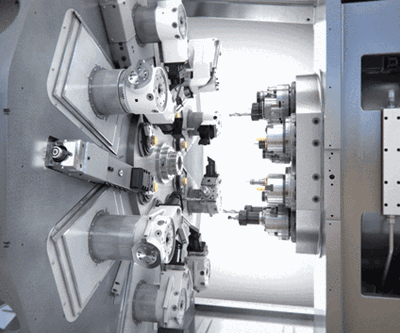
A stock image related to Multi-Spindle Machining Center.
3 Common User Pain Points for ‘Multi-Spindle Machining Center’ & Their Solutions
Scenario 1: Justifying Capital Expenditure Amid Fluctuating Order Volumes
The Problem: Multi-spindle machining centers represent substantial capital investments—typically requiring three to five times the initial outlay of single-spindle alternatives. For manufacturers in emerging markets such as Nigeria or Brazil, where demand cycles can be volatile and large-scale contracts may be sporadic, committing to high-volume production infrastructure creates significant financial exposure. These machines achieve optimal cost-per-part economics only when running at sustained capacity, yet seasonal industries or developing supply chains often struggle to guarantee the consistent order flow necessary to justify the expenditure and floor space commitment.
The Solution: Shift evaluation criteria from upfront acquisition costs to total cost-per-part across 18-24 month production projections, factoring in labor and throughput efficiencies. Consider hybrid CNC multi-spindle models that offer flexibility to operate individual spindles independently during low-demand periods, or entry-level 5-spindle configurations that reduce initial investment while maintaining productivity advantages. Negotiate performance-based payment structures tied to production milestones, explore equipment leasing arrangements to preserve working capital, or establish regional manufacturing partnerships that allow shared capacity utilization during peak demand without bearing full capital risk.
Scenario 2: Bridging the Technical Expertise Gap in Specialized Maintenance
The Problem: Despite their productivity advantages, multi-spindle machining centers involve sophisticated mechanical systems—including synchronized revolving drum indexing, multi-point tooling alignment, and complex spindle timing mechanisms—that require specialized technical expertise rarely found in local labor markets across Africa, South America, and the Middle East. When mechanical issues arise, extended downtime can stretch from hours to days if regional service infrastructure is underdeveloped, rapidly eroding the throughput benefits that justified the initial investment. The shortage of technicians capable of performing preventive maintenance or troubleshooting indexing errors represents a critical operational vulnerability for facilities outside major industrial hubs.
The Solution: Prioritize equipment suppliers with established regional service networks, local spare parts depots, and comprehensive training programs that transfer knowledge to your maintenance team. Select CNC-controlled multi-spindle models over purely mechanical cam-driven alternatives, as digital interfaces reduce setup complexity and enable remote diagnostic capabilities. Develop formal apprenticeship programs focused on preventive maintenance protocols specific to multi-spindle drum mechanisms, and negotiate service level agreements guaranteeing maximum response times. Additionally, maintain critical spare components—such as collets and indexing cams—on-site to minimize dependency on international shipping for routine repairs.
Scenario 3: Managing Material Waste During Product Changeovers
The Problem: While multi-spindle machining centers excel at material efficiency during continuous production, they generate substantial scrap during setup, changeover, and first-article validation phases. For manufacturers serving diverse industrial sectors—common in European job shops or Brazilian automotive suppliers—frequent tooling changes between different part families can result in material waste and lost production time that offsets the efficiency gains of simultaneous multi-part machining. The challenge intensifies when processing expensive alloys like titanium or specialty stainless steels, where setup scrap represents significant financial loss per changeover event.
The Solution: Implement group technology principles to batch similar part families, maximizing continuous spindle utilization before requiring tooling changes. Invest in quick-change tooling systems and offline presetting stations that minimize machine idle time during transitions. Utilize advanced simulation software to validate CAM programs and tooling paths before cutting begins, ensuring first-part accuracy and reducing trial-and-error waste. For operations requiring genuine mixed-volume flexibility, consider hybrid manufacturing cells that strategically deploy multi-spindle centers for high-volume, stable product lines while routing complex, low-volume, or prototype work to more adaptable single-spindle or CNC turning centers.
Strategic Material Selection Guide for Multi-Spindle Machining Center
Selecting optimal raw materials for multi-spindle machining centers requires balancing machinability indices against end-use performance requirements. For B2B procurement teams operating across diverse industrial landscapes—from Nigerian oilfield services to Brazilian automotive supply chains—material decisions directly influence spindle utilization rates, tooling budgets, and final component quality. Unlike single-spindle operations, multi-spindle configurations process multiple workpieces simultaneously, amplifying both efficiency gains and material-specific challenges. Understanding how aluminum, brass, stainless steel, and engineered alloys behave under concurrent cutting operations enables manufacturers to maximize the throughput advantages inherent in 5 to 8 spindle drum indexing systems.
How Does Aluminum Alloy 6061/7075 Optimize High-Volume Production Economics?
Aluminum alloys represent the benchmark for cost-efficient, high-speed multi-spindle manufacturing, particularly for aerospace fasteners, electronic enclosures, and automotive fluid handling components prevalent in emerging markets. The material’s low cutting resistance allows aggressive feed rates across all spindle stations simultaneously, often achieving cycle times under 15 seconds while maintaining ±0.0005″ tolerances. Thermal conductivity rapidly dissipates heat generated during concurrent drilling and turning operations, extending carbide tool life significantly compared to ferrous metals. However, chip morphology requires strategic management—stringy aluminum chips can entangle tooling fixtures when processing hexagonal bar stock, necessitating high-pressure coolant systems or chip breakers. While raw material costs remain moderate, the exceptional machinability translates to lower per-unit overhead and reduced spindle downtime, making aluminum ideal for commodity precision parts where volume offsets material strength limitations.
What Cost-Benefit Advantages Does C36000 Brass Offer for Electrical and Fluid Systems?
Free-machining brass delivers unmatched surface finish quality and dimensional stability, critical for electrical connectors, pneumatic valve bodies, and instrumentation fittings serving Middle Eastern energy sectors and European automation markets. The material’s 100% machinability rating minimizes tool wear across multiple cutting positions, allowing extended production runs without frequent insert changes that disrupt spindle synchronization. Unlike aluminum, brass generates manageable chip loads that evacuate cleanly from 6 to 8 station tooling setups, reducing maintenance intervals. The inherent antimicrobial properties and corrosion resistance suit potable water applications and medical devices, though material costs typically run 2-3 times higher than aluminum. For manufacturers, the premium is justified by elimination of secondary finishing operations and near-zero scrap rates in high-volume environments, particularly when producing complex geometries requiring simultaneous drilling, threading, and profiling across the spindle drum index.
Is Austenitic Stainless Steel Practical for Multi-Spindle Medical and Marine Applications?
Grades 303 and 316 stainless steel present distinct machining challenges that require strategic process planning, yet remain essential for corrosion-critical applications in marine hardware, food processing equipment, and surgical instrumentation. Work hardening occurs rapidly during concurrent cutting operations, potentially glazing cutting edges and increasing spindle load requirements by 40% compared to carbon steels. Successful implementation demands rigid machine setups, optimized cutting speeds, and premium coated carbide tooling to prevent workpiece distortion across multiple stations. The 303 grade, with added sulfur and selenium, offers improved machinability over 304 while maintaining sanitary properties, making it preferable for high-volume medical device production. While cycle times extend 25-30% versus softer metals, the durability and chemical resistance deliver superior lifecycle value for Brazilian pharmaceutical equipment and Nigerian offshore infrastructure components where replacement costs exceed machining premiums.
When Should Manufacturers Specify 4140 or 8620 Alloy Steel for Heavy-Duty Components?
Medium-carbon alloy steels provide the tensile strength and hardenability required for agricultural machinery bushings, hydraulic actuator rods, and defense hardware subjected to cyclic loading and impact stress. These grades offer superior wear resistance compared to mild steel, essential for equipment operating in abrasive environments common in mining and construction sectors across South America and Africa. Multi-spindle machining of 4140 requires heat management strategies, as the material generates significant cutting heat that can distort close-tolerance features when processed simultaneously across multiple stations. Pre-hardened variants (28-32 HRC) optimize the balance between machinability and final hardness, often eliminating post-machining heat treatment. While material costs exceed standard carbon steel by 15-25%, the ability to produce heat-treatable precision components in high volumes—achieving Rockwell hardness ratings up to 60 HRC after processing—justifies the investment for critical load-bearing applications where component failure carries substantial operational risk.
| Материал | Typical Use Case for Multi-Spindle Machining Center | Key Advantage | Key Disadvantage/Limitation | Relative Cost |
|---|---|---|---|---|
| Aluminum Alloy (6061/7075) | Aerospace fasteners, electronic housings, automotive fittings | Exceptional machinability enables sub-15-second cycle times | Chip control challenges with stringy swarf | Low |
| Brass (C36000) | Electrical connectors, valve bodies, instrumentation | 100% machinability rating eliminates secondary finishing | Higher raw material cost than aluminum | Medium-High |
| Stainless Steel (303/316) | Medical devices, marine hardware, food processing equipment | Superior corrosion resistance and sanitary properties | Rapid work hardening increases tool wear and cycle time | High |
| Alloy Steel (4140/8620) | Hydraulic components, agricultural machinery, defense parts | Heat-treatable for 60 HRC hardness; superior wear resistance | High cutting heat generation requires coolant management | Medium |
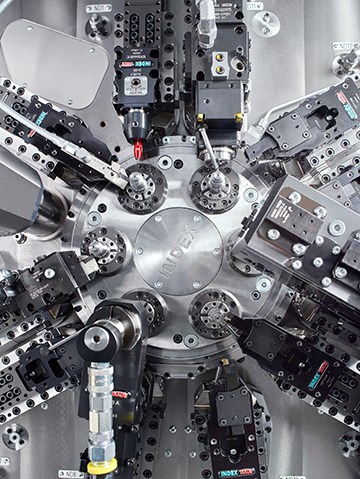
A stock image related to Multi-Spindle Machining Center.
In-depth Look: Manufacturing Processes and Quality Assurance for Multi-Spindle Machining Center
Multi-spindle machining centers represent the convergence of mechanical precision and high-throughput manufacturing engineering. For operations managers in emerging industrial markets—from São Paulo to Lagos—understanding the intricate relationship between simultaneous multi-point cutting and rigorous quality assurance is essential for capital equipment decisions. These systems transform raw bar stock into finished precision components through an orchestrated sequence of indexing operations, where productivity gains of 400-600% over single-spindle alternatives must be balanced against stringent tolerance requirements and material variability.
How Does the Multi-Spindle Indexing Process Work?
At the heart of every multi-spindle machining center lies a revolving drum or head containing 5, 6, or 8 independent spindles, each securing individual workpieces. As the drum indexes incrementally, each spindle advances through distinct tooling stations where opposing cutting tools perform simultaneous operations—turning, drilling, threading, and profiling—on rotating bar stock. This parallel processing architecture means that with each index cycle, one completed part exits the machine while new material enters the production stream. Advanced systems achieve index times measured in fractions of a second, creating a continuous flow where cycle times often fall below 20 seconds per finished component despite the complexity of operations.
What Are the Critical Stages in Multi-Spindle Production Workflow?
The manufacturing sequence begins with automatic bar feeding systems that present hexagonal, round, or profiled stock to precision collet mechanisms. Once secured, the material undergoes preliminary forming at the first station, progressing through rough turning, finish cutting, and secondary operations like internal boring or slotting as the drum rotates. Critical to this workflow is the pick-off operation, where specialized mechanisms capture partially machined components for back-finishing or end-work without releasing the main bar stock. For complex geometries requiring wrench flats or cross-drilling, the multi-station architecture accommodates up to 14 tools acting concurrently, effectively distributing cutting forces and thermal loads across multiple spindles to prevent workpiece distortion.
Which Materials Are Optimized for Multi-Spindle Manufacturing?
Material selection significantly impacts spindle configuration and tooling strategy, particularly for buyers serving diverse industrial sectors. Aluminum and brass alloys dominate high-speed applications due to their machinability and excellent chip evacuation properties, ideal for automotive and electrical components common in European markets. Stainless steels and stress-proof alloys require rigid machine frames and carbide tooling to manage work-hardening tendencies, particularly relevant for oil and gas fittings manufactured in Nigeria and the Middle East. Free-machining steels like 12L14 and alloy steels such as 8620 and 4140 offer optimal middle-ground solutions for aerospace and defense contractors requiring strength without sacrificing production speed.
How Is Precision Maintained Across Simultaneous Machining Operations?
Achieving consistent tolerances of ±0.0005 inches across multiple spindles demands sophisticated mechanical synchronization and thermal management. Each spindle operates within a dedicated tooling station where cutting forces are isolated through precision-ground ways and hardened slideways. Rigid machine construction minimizes vibration transmission between stations, while synchronized tool advancement ensures uniform material removal rates. Coolant delivery systems play a dual role—lubricating cutting interfaces and maintaining thermal equilibrium across the revolving head to prevent dimensional drift during extended production runs. Modern hybrid systems incorporate CNC compensation algorithms that adjust for tool wear variations between stations in real-time.
What Quality Assurance Protocols Govern High-Volume Multi-Spindle Production?
ISO-certified quality frameworks form the backbone of reliable multi-spindle operations, integrating statistical process control (SPC) with automated inspection protocols. In-process monitoring utilizes load sensors on spindle drives to detect tool wear or breakage immediately, triggering automatic shutdowns before defect propagation. First-article inspection validates setup accuracy across all stations before production commences, while in-line gauging systems measure critical dimensions without removing components from the manufacturing stream. For industries serving automotive or medical sectors, traceability systems document material heat numbers, tooling specifications, and machine parameters for every production batch, ensuring compliance with international quality standards.
How Do Advanced CNC Controls Enhance Manufacturing Accuracy?
Contemporary hybrid multi-spindle machines bridge mechanical reliability with digital precision through CNC servo controls that manage indexing accuracy and tool positioning. Unlike purely mechanical cam-driven systems, CNC-equipped centers allow rapid changeover between part families through program selection rather than physical cam replacement—crucial for Brazilian and European manufacturers managing diverse product portfolios. These systems monitor spindle load variations and automatically adjust feed rates to optimize surface finish while preventing chatter. Closed-loop feedback on the revolving head ensures indexing repeatability within microns, eliminating cumulative positioning errors that could compromise batch consistency.
What Inspection Methods Validate Multi-Spindle Machined Components?
Post-machining validation employs multi-sensor measurement systems combining optical comparators, coordinate measuring machines (CMM), and laser micrometers. Given the high-volume nature of production, statistical sampling plans (AQL standards) determine inspection frequency, with critical dimensions receiving 100% verification through automated gauging. Surface finish profilometers verify Ra values on sealing surfaces, while bore gauges and thread checkers validate internal features. For hexagonal components prevalent in fluid power applications, specialized fixtures ensure flatness and angular tolerances meet specifications. Documentation packages typically include material certifications, dimensional reports, and process capability studies (Cpk values) demonstrating that manufacturing processes consistently produce within specification limits.
Practical Sourcing Guide: A Step-by-Step Checklist for ‘Multi-Spindle Machining Center’
Procuring multi-spindle machining centers represents a significant capital investment requiring careful evaluation of production economics, technical specifications, and long-term operational support. This checklist provides international buyers with actionable criteria to navigate vendor selection and ensure equipment alignment with high-volume manufacturing objectives.
How Do You Determine Production Volume Thresholds for Multi-Spindle Investment?
Begin by quantifying your annual part requirements and cycle time targets. Multi-spindle automatic lathes deliver economic advantages when production volumes exceed 50,000 units annually, offering throughput rates four to six times higher than single-spindle alternatives. Analyze your part geometry complexity—simple cylindrical components may require only five spindles, while intricate parts demanding drilling, threading, and slotting simultaneously benefit from six or eight spindle configurations with corresponding tool stations.
What Spindle Configuration Matches Your Manufacturing Complexity?
Select spindle counts based on operation sequencing requirements. Five-spindle machines typically provide the fastest index times for straightforward turning operations, while six or eight spindle setups accommodate complex multi-tool machining sequences. Verify that the machine’s revolving drum indexing mechanism supports your required cycle times—some advanced models complete indexing in fractions of a second, maximizing productive cutting time.
Which Material Specifications Should Drive Your Machine Selection?
Evaluate material compatibility across your entire component portfolio. Confirm the machine’s capability to handle aluminum, brass, stainless steel, and alloy steels such as 4140 or 8620 while maintaining precision tolerances of ±0.0005 inches. Assess whether the vendor provides in-house tooling support, as custom tool manufacturing capabilities significantly impact your ability to machine stress-proof steels and exotic alloys efficiently.
How Do You Evaluate Precision and Quality Assurance Protocols?
Demand ISO-certified quality procedures and documented tolerance capabilities across all spindle positions simultaneously. Request production samples machined from your specific material grades to verify consistency. Examine the machine’s rigidity and vibration dampening characteristics, particularly when considering CNC-hybrid models designed for challenging alloys.
What Constitutes Total Cost of Ownership for International Buyers?
Calculate expenses beyond the initial purchase price, including international shipping logistics, import duties prevalent in African and South American markets, installation supervision, and operator training programs. Compare energy consumption profiles between traditional cam-driven machines and modern CNC-controlled hybrids, factoring in local utility costs over the equipment lifecycle.
How Do You Secure Reliable Technical Support Across Borders?
Verify the manufacturer’s distributor network presence in your specific region, ensuring accessible spare parts inventory and qualified service technicians. Confirm remote diagnostic capabilities and the availability of multilingual training documentation. Establish clear response time agreements for critical component failures to minimize production downtime.
What Automation Features Maximize Operational Efficiency?
Assess automatic bar loading systems and pick-off attachments for back-finishing operations, essential for unattended high-volume production. Verify compatibility with your existing automation infrastructure and Industry 4.0 connectivity standards to ensure seamless integration into smart manufacturing environments.
Comprehensive Cost and Pricing Analysis for Multi-Spindle Machining Center Sourcing
When evaluating multi-spindle machining centers for high-volume production environments, discerning buyers must look beyond sticker prices to understand the true economic landscape. The initial capital outlay represents only one component of a complex financial equation that includes productivity multipliers, tooling amortization, and regional supply chain variables. For manufacturing leaders in Nigeria, Brazil, and across emerging markets, strategic sourcing decisions require analyzing total cost of ownership against throughput capabilities to justify the significant investment these precision systems demand.
What Factors Drive the Capital Investment for Multi-Spindle Systems?
The pricing architecture for multi-spindle automatic lathes varies significantly based on spindle count and control sophistication. Entry-level mechanical configurations with five spindles typically command lower upfront costs, while advanced eight-spindle CNC hybrid models incorporate precision controls and automatic bar loading systems that increase acquisition costs by 40-60%. However, these advanced systems deliver superior rigidity for machining exotic alloys like titanium and 4140 steel, reducing per-part cycle times to under 20 seconds. Buyers should evaluate whether the premium for CNC flexibility aligns with their material complexity requirements or if traditional cam-driven systems suffice for brass and aluminum production runs.
How Does Spindle Configuration Affect Long-Term Production Economics?
Configuration decisions directly correlate with operational profitability across global manufacturing hubs. Five-spindle platforms offer the fastest indexing speeds available, maximizing parts-per-hour output for simpler geometries common in automotive and electronics sectors. Conversely, six and eight-spindle arrangements enable simultaneous multi-tool operations—accommodating up to 14 cutting tools at once—but require higher tooling inventories and maintenance schedules. For operations targeting ±0.0005″ tolerances on stress-proof steel or hexagonal bar stock, the additional spindle stations reduce secondary milling operations, effectively consolidating multiple process steps into a single work cycle and compressing labor costs per unit.
What Hidden Costs Should International Buyers Anticipate Beyond Equipment Pricing?
Sourcing multi-spindle centers across continents introduces logistics complexities that impact total investment for facilities in the Middle East, Europe, and South America. Import duties, freight charges, and installation supervision can add 15-25% to the base machine cost when shipping to African or Latin American facilities. Additionally, in-house tool manufacturing capabilities become critical cost variables; machines requiring specialized collets or custom form tools generate ongoing expenses that exceed standard insert pricing. Buyers must verify whether suppliers provide comprehensive training programs and spare parts networks within their regions, as downtime in high-volume environments rapidly erodes profitability when technical support requires intercontinental travel.
How Can Emerging Market Manufacturers Optimize Multi-Spindle ROI?
Achieving favorable unit economics requires matching machine specifications to actual production volumes and regional labor costs. Multi-spindle systems justify their investment only when utilized for sufficiently high volumes—typically exceeding 50,000 units annually—where the 4-6x productivity advantage over single-spindle lathes amortizes capital costs. For European precision engineering firms or Brazilian defense contractors, hybrid CNC models offer programming flexibility that reduces changeover times between part families, essential for factories managing diverse contract manufacturing portfolios. Establishing regional maintenance partnerships and securing localized tooling supply chains further mitigates the total cost of ownership, transforming high-capital equipment into sustainable competitive advantages.
Alternatives Analysis: Comparing Multi-Spindle Machining Center With Other Solutions
When evaluating high-volume manufacturing strategies, procurement teams must assess whether a multi-spindle machining center aligns with their production demands or if alternative turning technologies offer superior ROI for their specific operational context. While multi-spindle systems dominate in throughput-intensive environments, single-spindle automatic lathes and Swiss-type CNC lathes present distinct operational advantages for manufacturers managing diverse product portfolios or specialized precision requirements. Understanding these alternatives ensures capital equipment investments match actual production volumes, particularly for emerging markets in Africa, South America, and the Middle East where operational flexibility and initial capital constraints significantly impact long-term profitability.
| Comparison Aspect | Многошпиндельный обрабатывающий центр | Single-Spindle Automatic Lathes | Swiss-Type CNC Lathes |
|---|---|---|---|
| Production Throughput | 4x–6x higher than single-spindle (sub-20 second cycles) | Standard (minutes per part) | Moderate (slower on simple geometries) |
| Initial Capital Investment | High ($250,000–$600,000+) | Low ($30,000–$120,000) | Moderate-High ($200,000–$400,000) |
| Volume Economics | Break-even at 50,000+ units annually | Economical below 10,000 units annually | Economical 10,000–80,000 units annually |
| Setup Changeover Time | 2–4 hours (complex drum indexing) | 30 minutes–1 hour | 1–3 hours (CNC programming dependent) |
| Part Geometry Flexibility | Rotational symmetric |
Essential Technical Properties and Trade Terminology for Multi-Spindle Machining Center
When evaluating capital equipment for high-volume precision manufacturing, understanding the intersection of mechanical specifications and operational terminology ensures you specify machinery that aligns with your production economics and material requirements.
What Are the Critical Technical Specifications for Multi-Spindle Acquisition?
Spindle Configuration and Station Count
Industrial multi-spindle centers typically deploy 5, 6, or 8 spindles arranged within a revolving drum, with each spindle corresponding to a dedicated tooling position. This configuration determines your parallel processing capability—an 8-spindle machine theoretically delivers eight simultaneous operations, though practical output depends on the complexity of your part geometry.
Index Time and Revolving Head Dynamics
Index time measures the duration required for the drum to rotate and position the next spindle for machining. Sub-second index speeds are achievable on advanced platforms, directly dictating overall throughput. For procurement teams in high-volume markets such as automotive fasteners or hydraulic fittings, prioritize machines with rapid indexing over marginal improvements in individual cutting feed rates.
Precision Tolerances and Repeatability
Standard multi-spindle equipment maintains tolerances of ±0.0005 inches (±0.0127 mm), sufficient for most industrial applications. However, aerospace and medical device manufacturers should verify CNC-controlled variants capable of tighter tolerances and statistical process control (SPC) integration to ensure lot-to-lot consistency.
Bar Stock Capacity and Material Profiles
Verify the machine’s collet range accommodates your raw material dimensions, typically from 1/4″ to 2-3/8″ (6 mm to 60 mm) in diameter and up to 7″ (175 mm) in length. Crucially, confirm compatibility with profiled stock—such as hexagonal bar—if your components require wrench flats, as this eliminates costly secondary milling operations.
Tooling Station Versatility
Each spindle position requires opposing tooling. Assess whether the machine supports driven tooling (live tooling) for cross-drilling or milling operations perpendicular to the spindle axis, as this capability allows completion of complex geometries without transferring parts to machining centers.
What Industry Terminology Should Global Procurement Teams Master?
Revolving Head Index
This refers to the rotational advancement of the spindle drum between machining stations. Each index simultaneously drops a completed workpiece while presenting a new blank to the first tooling position, creating the continuous “one part per index” production flow characteristic of these machines.
Pick-Off and Back Finishing
A pick-off attachment grips the severed workpiece after cut-off, enabling machining of the rear face (back finishing) while the part remains in the machine. This eliminates secondary handling and ensures concentricity between front and rear features.
Cam-Controlled versus CNC Operation
Traditional cam machines utilize mechanical templates to govern tool movement, offering durability and cost-effectiveness for long-run, simple geometries. CNC multi-spindles provide programmable servo control, reducing changeover times from hours to minutes and accommodating complex part families essential for just-in-time manufacturing.
Automatic Bar Loading Systems
Also called bar feeders or magazine loaders, these mechanisms automatically advance raw stock into the collets, enabling unattended operation across multiple shifts. When sourcing for regions with varying labor costs, specify hydraulic or servo-driven loaders capable of handling remnant management to minimize material waste.
Cycle Time Overlap
Unlike single-spindle machines where cycle time equals the sum of all operations, multi-spindle cycle time is determined by the slowest individual station. Understanding this “overlapping” principle helps identify bottlenecks and justify tooling upgrades at specific stations rather than global machine replacement.
Cross-Operations Capability
Terminology describing machining perpendicular to the spindle axis, including cross-drilling, slotting, or milling flats. Confirming your machine specification includes driven tool holders for these operations prevents the need for secondary processing on milling centers.
Navigating Market Dynamics and Sourcing Trends in the Multi-Spindle Machining Center Sector
What Are the Critical Market Trends Shaping Multi-Spindle Machining Center Procurement in Emerging Economies?
The global multi-spindle machining center sector is experiencing a decisive technological pivot from traditional cam-driven mechanical systems to CNC-hybrid architectures. For procurement teams in Nigeria, Brazil, and the Middle East, this evolution presents a strategic inflection point: the ability to achieve single-spindle flexibility for complex geometries while maintaining the 4-to-6x throughput advantage essential for high-volume automotive, electronics, and medical device manufacturing. Modern hybrid machines now offer programmable slide motions and quick-change tooling systems that reduce setup times from hours to minutes, directly addressing the batch-size flexibility demands of emerging market manufacturers.
Regional infrastructure expansion and industrial diversification are accelerating equipment procurement cycles across Africa and South America. In markets like Nigeria and Brazil, demand is particularly robust for 5- and 6-spindle automatic lathes capable of machining stress-proof steels and aluminum alloys used in agricultural equipment, oilfield components, and heavy construction machinery. This regional demand shift has prompted European and Asian OEMs to establish localized service hubs and parts distribution centers, significantly reducing lead times for critical spindles and tooling components that previously required intercontinental shipping.
Industry 4.0 integration represents another non-negotiable trend for international buyers. Contemporary multi-spindle machining centers now feature real-time spindle load monitoring, automated bar feeding systems, and predictive maintenance algorithms accessible via cloud-based dashboards. These capabilities enable manufacturers to optimize cycle times—often achieving sub-20-second part completion rates—while minimizing unplanned downtime. For buyers in regions where skilled maintenance technician availability remains limited, remote diagnostic capabilities and vendor-provided training programs have become critical evaluation criteria alongside traditional machine specifications.
Financing and operational leasing models are also reshaping procurement strategies in capital-sensitive markets. Rather than outright equipment purchases, an increasing number of Brazilian and Middle Eastern manufacturers are adopting performance-based leasing arrangements that include bundled maintenance and software updates. This trend reflects a broader shift toward operational expenditure (OpEx) models that mitigate currency fluctuation risks and preserve working capital for raw material procurement, particularly crucial for SMEs navigating volatile commodity markets.
How Can B2B Buyers Navigate Sustainability and Ethical Sourcing When Investing in Multi-Spindle Technology?
Sustainability in multi-spindle machining extends far beyond kilowatt-hour consumption to encompass comprehensive material efficiency and equipment lifecycle management. Modern 6- and 8-spindle automatic lathes equipped with advanced bar feed optimization systems can achieve near-net-shape production, dramatically reducing scrap rates compared to single-spindle alternatives when processing aluminum, brass, and free-cutting steels. For buyers in environmentally regulated jurisdictions like the European Union—and increasingly in Middle Eastern markets adopting stricter industrial standards—selecting machines with programmable servo-driven spindles can reduce idle energy consumption by up to 30% versus traditional mechanical drive systems, directly supporting corporate ESG compliance while lowering operational expenditures.
Ethical sourcing due diligence requires scrutiny of the complete manufacturing ecosystem, from the smelting origins of cast iron machine beds to the labor practices of precision bearing suppliers. Procurement teams should prioritize OEMs demonstrating ISO 14001 environmental management certification and SA8000 social accountability standards, particularly when sourcing from regions with disparate regulatory frameworks. Requesting transparency regarding conflict minerals in electronic control systems and verifying that coolant systems meet international safety standards demonstrates supply chain stewardship that resonates with end customers in automotive and aerospace sectors.
The circular economy imperative is particularly relevant to multi-spindle machining centers given their substantial capital investment and long operational lifespans. Buyers should evaluate manufacturers offering comprehensive remanufacturing and retrofit programs—such as CNC control upgrades for legacy mechanical platforms—that extend equipment service life beyond 25 years. This approach not only defers capital replacement costs but significantly reduces the carbon footprint associated with new machine production. Additionally, specifying biodegradable metalworking fluids and closed-loop coolant filtration systems during procurement ensures immediate compliance with emerging environmental regulations in African and South American manufacturing hubs, positioning operations ahead of anticipated legislative curves.
Finally, ethical workforce considerations intersect with sustainability through operator safety and ergonomic design. Modern multi-spindle machines with enclosed guarding, noise reduction below 85 decibels, and automated loading systems reduce physical strain and occupational hazards. For buyers in regions facing skilled labor shortages, specifying machines with intuitive human-machine interfaces (HMI) and comprehensive training documentation supports workforce development while ensuring safe operational standards—a dual benefit that enhances both social license to operate and long-term productivity.
Frequently Asked Questions (FAQs) for B2B Buyers of Multi-Spindle Machining Center
1. What is a multi-spindle machining center and how does it operate?
A multi-spindle machining center is an advanced automatic lathe—often called a screw machine—that houses multiple working spindles (typically 5, 6, or 8) within a revolving drum or head. Each spindle simultaneously holds an individual workpiece and indexes through sequential tooling stations where cutting, drilling, threading, and forming operations occur concurrently. With every rotation of the drum, a completed precision part is ejected, enabling continuous production where multiple operations happen in parallel rather than sequentially.
2. What are the quantifiable production advantages of multi-spindle machining centers over single-spindle alternatives?
Multi-spindle systems deliver throughput rates 4 to 6 times higher than single-spindle lathes by processing multiple workpieces simultaneously across indexed stations. While single-spindle machines offer flexibility for low-volume prototyping, multi-spindle centers optimize high-volume repetitive manufacturing with cycle times frequently falling below 20 seconds per part. This parallel processing architecture dramatically reduces per-unit labor costs, minimizes floor space requirements per part produced, and enables lights-out manufacturing for export-scale production runs.
3. Which industries and manufacturing applications commonly utilize multi-spindle machining centers?
Automotive, aerospace, medical device manufacturing, defense contracting, and electronics industries represent the primary end-users, particularly for high-volume precision components such as hydraulic fittings, electrical connectors, valve stems, and fasteners. Emerging manufacturing markets in Nigeria, Brazil, and the Middle East increasingly adopt these systems to establish export-ready production capabilities for small-to-medium precision parts ranging from 1/4″ to 2 3/8″ in diameter. Any operation requiring annual volumes exceeding 500,000 identical components will realize optimal return on investment from this technology.
4. What is the typical capital investment and total cost of ownership for a multi-spindle machining center?
Mechanical cam-driven multi-spindle machines typically range from $150,000 to $250,000 USD, while advanced CNC multi-spindle systems with automatic bar loaders and hybrid controls can command $500,000 to $800,000 or higher. Total Cost of Ownership must include custom tooling manufacturing (often requiring in-house capability), preventive maintenance contracts, and specialized operator training. However, the dramatic efficiency gains typically achieve break-even within 18–24 months when annual production exceeds 500,000 parts, depending on material costs and regional labor rates.
5. What material capabilities and geometric tolerances can be achieved with multi-spindle machining?
These machines excel at processing aluminum, brass, stainless steels, alloy steels (including 4140 and 8620), titanium, and copper with precision tolerances typically holding ±0.0005 inches (±0.0127mm). Standard configurations handle parts up to 7 inches in length, with specialized capabilities for hexagonal bar stock that eliminates secondary milling operations for wrench flats. Advanced tooling systems enable complex operations including cross-drilling, slotting, tapping, and back-finishing within the same machining cycle.
6. How should manufacturers calculate the production volume threshold to justify switching to multi-spindle machining?
Conduct a comprehensive break-even analysis comparing current single-spindle cycle times, labor costs, and opportunity costs against multi-spindle throughput capabilities. Generally, annual volumes below 100,000 parts favor the flexibility of single-spindle CNC lathes, while volumes exceeding 500,000 parts typically justify multi-spindle investment. Critical variables include local labor rates in African or South American markets, material costs, and the strategic value of reducing lead times for international export contracts requiring just-in-time delivery schedules.
7. What distinguishes CNC multi-spindle machines from traditional mechanical cam-driven models?
Traditional cam-driven multi-spindle machines offer mechanical simplicity, robust reliability, and lower initial capital investment for dedicated long-run production of simple geometries. Conversely, CNC multi-spindle systems provide programmable flexibility for complex part families, reduced changeover times, and superior rigidity for machining difficult alloys like Inconel or titanium. Hybrid CNC models combine the speed of mechanical indexing with digital control, making them ideal for modern factories requiring rapid product changeovers without extensive retooling downtime.
8. What maintenance infrastructure and technical support should international buyers establish when importing multi-spindle equipment?
Prioritize manufacturers with established distributor networks and spare parts depots in your target region (Africa, South America, or the Middle East) to minimize downtime risks. Plan for preventive maintenance intervals every 2,000–4,000 operating hours, and ensure access to technicians trained in multi-spindle setup and cam programming. Verify that critical tooling can be manufactured locally or shipped within 48–72 hours, as custom tooling represents a critical dependency. Remote diagnostic capabilities and English/Portuguese/French language support significantly enhance operational continuity for international manufacturing facilities.
Important Disclaimer & Terms of Use
⚠️ Important Disclaimer
The information provided in this guide, including content regarding manufacturers, technical specifications, and market analysis, is for informational and educational purposes only. It does not constitute professional procurement advice, financial advice, or legal advice.
B2B buyers must conduct their own independent and thorough due diligence before making any purchasing decisions. The risk of relying on any information in this guide is borne solely by the reader.
Top 1 Multi-Spindle Machining Center Manufacturers & Suppliers List
1. Avanti Engineering – CNC Multi-Spindle Machining
Domain: avantiengineering.com
Registered: 2000 (26 years)
Introduction: Avanti Engineering offers CNC Multi-Spindle Machining services using INDEX CNC Multi-Spindle Turning Centers equipped with 6 main spindles plus synchronous secondary spindles (up to 2), supporting up to 48-axis movement and automatic magazine bar loading for 12′ length stock. Key specifications include maximum bar diameter capacity of 1.574″ (40mm), ±0.0004″ repeatability, and live tooling with un…
Strategic Sourcing Conclusion and Outlook for Multi-Spindle Machining Center
How Can Emerging Markets Maximize ROI with Multi-Spindle Technology?
For manufacturers in Nigeria, Brazil, and across high-growth regions, transitioning to multi-spindle machining represents a strategic inflection point rather than merely an equipment upgrade. The technology’s 4-to-6-fold productivity advantage over single-spindle alternatives directly addresses the cost pressures and scaling challenges unique to developing industrial ecosystems. However, maximizing return requires looking beyond cycle times to total cost of ownership—specifically evaluating local spare parts availability, technical training infrastructure, and vendor service networks before committing capital.
What Strategic Factors Should Guide Your Long-Term Equipment Investment?
As production demands evolve toward greater precision and material diversity, hybrid CNC multi-spindle systems offer the flexibility to bridge high-volume efficiency with quick changeover capabilities. Buyers should prioritize suppliers demonstrating robust regional support frameworks and financing partnerships that align payment schedules with production ramp-up phases. The convergence of automation-ready bar feeding and Industry 4.0 connectivity further positions these machines as foundational assets for competitive manufacturing.
Is Multi-Spindle Machining the Right Foundation for Your Growth Strategy?
Ultimately, multi-spindle adoption succeeds when integrated into a broader operational excellence strategy. Organizations ready to commit to consistent high-volume output will find these systems transformative, while those requiring maximum flexibility may benefit from staged implementation. The outlook remains clear: for B2B buyers targeting automotive, medical, and precision component markets, multi-spindle technology offers the throughput and precision necessary to capture international supply chain opportunities.