
Introduction: Navigating the Global Market for Axis Machining Center
Sourcing the optimal axis machining center for complex manufacturing operations presents a critical challenge for procurement teams navigating an increasingly sophisticated global market. As industries from aerospace to medical device manufacturing demand tighter tolerances and complex geometries, the transition from traditional 3-axis systems to advanced 5-axis solutions requires strategic evaluation of technical capabilities, supplier reliability, and total cost of ownership across diverse international markets.
What Makes Axis Machining Center Selection Critical for Modern Manufacturing?
The shift toward single-setup machining capabilities has transformed production economics, with advanced axis technology delivering 40-60% cycle time reductions while eliminating costly repositioning errors. However, the proliferation of machine configurations—from articulated head designs to rotary table integrations—creates significant complexity for buyers seeking to match specific applications with optimal technical specifications. Understanding these nuances becomes essential when sourcing equipment capable of handling intricate geometries while maintaining the precision required for high-value manufacturing sectors.
How Can International Buyers Navigate Regional Supplier Markets?
For procurement teams operating across Africa, South America, the Middle East, and Europe—including established manufacturing hubs like Germany and emerging industrial markets in Vietnam—navigating supplier vetting presents unique challenges involving import compliance, localized technical support infrastructure, and currency fluctuation risks. This guide addresses critical considerations for evaluating machine tool providers beyond raw specifications, assessing their track record for after-sales service, spare parts logistics, and training programs essential for long-term operational continuity in your specific region.
What Comprehensive Procurement Strategies Does This Guide Cover?
This resource provides end-to-end guidance covering axis machining center classifications, application-specific recommendations for automotive and medical sectors, detailed supplier qualification frameworks, and total cost of ownership analysis. By synthesizing technical requirements with regional market intelligence, we equip you to make informed capital equipment decisions that align production capabilities with competitive positioning in your specific geographic market.
Understanding Axis Machining Center Types and Variations
| Type Name | Key Distinguishing Features | Primary B2B Applications | Brief Pros & Cons for Buyers |
|---|---|---|---|
| 3-Axis Vertical Machining Centers (VMC) | Linear X, Y, Z axes; vertical spindle orientation; fixed or minimal rotary capability; foundational CNC architecture | General fabrication, simple molds, flat components, prototyping, training facilities |
Key Industrial Applications of Axis Machining Center
| Industry/Sector | Specific Application of Axis Machining Center | Value/Benefit for the Business | Key Sourcing Considerations for this Application |
|---|---|---|---|
| Aerospace & Defense | Complex turbine blade and structural component machining | Single-setup completion reducing lead times by 50% while maintaining ±0.0002″ repeatability on titanium alloys | High-temperature alloy capability, vibration damping systems, and compliance with AS9100 quality standards |
| Automotive Manufacturing | Powertrain components and injection mold production for body panels | 40-60% cycle time reduction and elimination of secondary operations for intricate internal passages | High-volume production reliability, automation integration capabilities, and compatibility with hardened steels |
| Medical Device Production | Orthopedic implants and surgical instrument precision finishing | Superior surface finish quality reducing post-processing requirements and ensuring biocompatible results | Micron-level accuracy certification, medical-grade material handling, and FDA/EU regulatory compliance support |
| Mold & Die Manufacturing | Deep cavity injection molds and complex die-casting dies | Reduced EDM requirements and 70-80% fewer fixture changes accelerating time-to-market | Thermal stability controls, high-rpm spindle options for fine details, and robust CAD/CAM software integration |
How Does 5-Axis Technology Transform Aerospace Component Manufacturing?
Aerospace manufacturers leverage axis machining centers to produce complex turbine blades, structural brackets, and engine housings from challenging materials like titanium and Inconel. The technology eliminates multiple setups required for intricate geometries, significantly reducing cumulative positioning errors that compromise aerodynamic performance. For emerging markets in Africa and the Middle East, investing in 5-axis capability enables local production of aircraft components that previously required offshore sourcing, supporting import substitution strategies while meeting stringent international aviation standards.
What Are the Critical Applications in Automotive Production?
Automotive suppliers utilize multi-axis machining centers for manufacturing complex powertrain components, transmission housings, and precision molds for carbon fiber body panels. The simultaneous five-axis movement allows for efficient machining of deep cavities and undercuts in injection molds while maintaining optimal cutting angles that extend tool life by 25-40%. For manufacturers in South America and Vietnam, this technology supports the transition to electric vehicle production by enabling rapid prototyping and high-volume manufacturing of aluminum battery housings and motor end caps with minimal fixture investment.
Why Is Medical Device Manufacturing Dependent on Multi-Axis Precision?
Medical device producers rely on axis machining centers to craft orthopedic implants, dental prosthetics, and surgical instruments requiring complex organic geometries and mirror-finish surfaces. The ability to machine undercuts and compound curves in a single setup ensures biocompatible surface integrity without secondary polishing operations. European and Middle Eastern buyers particularly benefit from systems offering advanced probing capabilities and medical-grade material traceability, ensuring compliance with FDA and EU MDR regulations while reducing production bottlenecks for patient-specific implant manufacturing.
How Does Advanced Machining Revolutionize Mold and Die Production?
Mold makers employ 5-axis machining centers to produce high-precision injection molds, die-casting dies, and blow molds featuring deep cavities, complex parting lines, and intricate cooling channels. This technology eliminates the need for time-consuming EDM operations on hardened tool steels, reducing overall lead times by half while improving surface consistency. For German and Vietnamese tool shops serving global supply chains, sourcing machines with high-velocity dust extraction and thermal stability controls ensures consistent accuracy during extended machining cycles of hardened H13 or P20 steels.
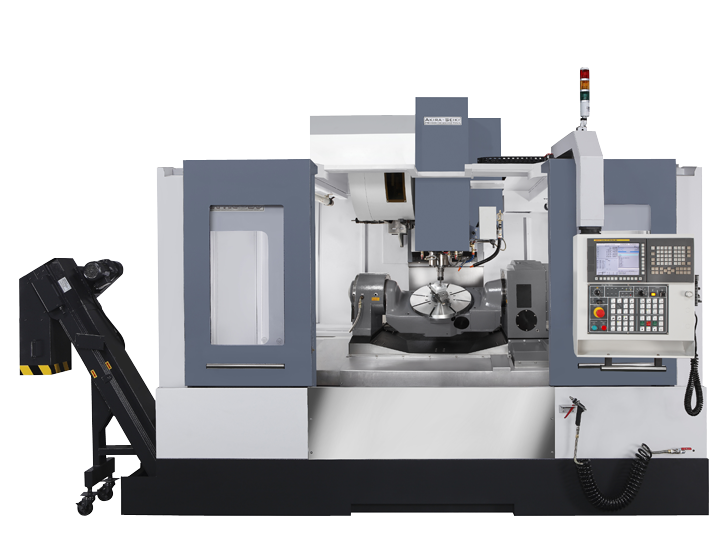
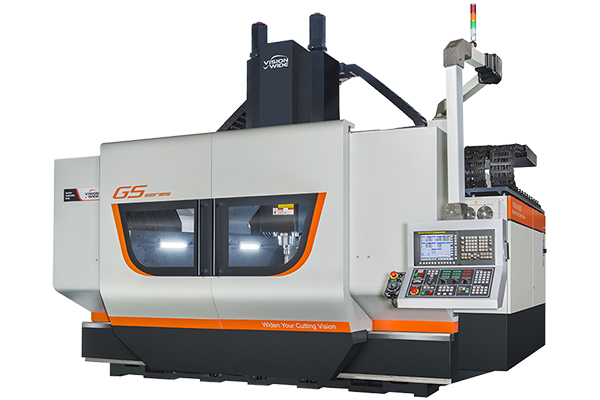
A stock image related to Axis Machining Center.
3 Common User Pain Points for ‘Axis Machining Center’ & Their Solutions
Manufacturing facilities across emerging markets in Africa, South America, and Southeast Asia face unique operational friction when integrating advanced multi-axis technology. While 5-axis machining centers promise unprecedented flexibility, the transition from conventional 3-axis operations introduces specific challenges that must be resolved to realize the 40-60% cycle time reductions and single-setup capabilities these systems offer.
Scenario 1: The Tolerance Stack-Up Crisis in Multi-Surface Machining
The Problem:
Manufacturers transitioning from 3-axis operations face cumulative positioning errors when machining complex geometries requiring multiple setups. Each part repositioning introduces tolerance deviations, witness marks, and potential human error, particularly problematic for aerospace components and medical implants requiring precise biocompatible finishes. This results in rejected batches, extended inspection protocols, and inability to meet international quality standards demanded by European and North American export markets.
The Solution:
Deploy simultaneous 5-axis machining centers featuring articulated head technology that replicates human wrist movement, enabling the spindle to rotate and incline while maintaining optimal tool-to-part contact. Prioritize systems with integrated probing capabilities and high-velocity dust extraction to enable true single-setup completion. This eliminates fixture-induced variations, reduces setup changes by 70-80%, and achieves ±0.0002″ repeatability across complex geometries while removing witness marks through consistent tool orientation.
Scenario 2: How Can Manufacturers Overcome CAM Programming Complexity and Skills Shortages?
The Problem:
The shift from linear 3-axis to simultaneous 5-axis movement creates significant technical barriers, particularly in regions facing skilled labor shortages. Programming complex toolpaths for concurrent multi-axis operations requires sophisticated CAM software and operators who understand collision avoidance, machine kinematics, and post-processor optimization. Without this expertise, manufacturers experience machine underutilization, extended prove-out times, and increased scrap rates that erode the capital investment justification.
The Solution:
Adopt a phased competency approach beginning with 3+2 positioning (indexed 5-axis) before advancing to full simultaneous machining. Select machining centers equipped with intuitive CNC interfaces and robust simulation software that visualizes collision risks before cutting begins. Partner with suppliers offering comprehensive training programs and application support specific to your industry—whether automotive, aerospace, or mold-making—to build internal expertise. Additionally, utilize mechanical copying equipment and advanced probing systems to reduce programming complexity for repetitive geometries common in batch production.
Scenario 3: Vertical vs. Horizontal Configuration Paralysis and ROI Uncertainty
The Problem:
B2B buyers struggle to justify the significant capital investment—often 40-60% above comparable 3-axis systems—when uncertain whether vertical or horizontal axis configurations align with their production mix. Choosing incorrectly results in inadequate rigidity for hard metals or insufficient accessibility for complex undercuts, limiting competitive entry into high-value markets like German automotive or Vietnamese electronics manufacturing. The fear of machine underutilization prevents many facilities from accessing premium contracts requiring complex 5-axis capabilities.
The Solution:
Conduct detailed part geometry analysis focusing on weight, material hardness, and access angles. For complex prismatic parts and mold/die work with deep cavities, vertical 5-axis centers with moving column designs offer superior accessibility and smaller footprints ideal for job shops. For heavy-duty applications involving large automotive or energy sector components, horizontal configurations with tilting tables provide superior chip evacuation and rigidity. Calculate ROI based on tangible metrics: 25-40% tool life extension from optimal cutting angles, elimination of specialized fixtures, and the ability to machine exotic materials that command premium pricing in international markets.
Strategic Material Selection Guide for Axis Machining Center
Selecting optimal workpiece materials for multi-axis machining centers requires balancing mechanical properties with machinability coefficients. For B2B procurement teams evaluating capital equipment investments across diverse industrial sectors—from German automotive supply chains to Vietnamese electronics manufacturing and Middle Eastern oil and gas operations—understanding how specific alloys interact with simultaneous 5-axis movement determines both tooling costs and final part quality. The following analysis examines four strategic material categories that maximize return on investment when paired with advanced axis machining capabilities.
Which Aluminum Alloys Deliver Optimal Cost-Efficiency for Complex Geometries?
Aluminum 6061-T6 and 7075-T6 remain staples for 5-axis production due to exceptional machinability ratings and favorable strength-to-weight ratios. These alloys enable high-speed spindle operations exceeding 12,000 RPM while maintaining dimensional stability during intricate contouring operations common in German automotive prototyping. The material’s thermal conductivity facilitates efficient chip evacuation through articulated machining heads, reducing recutting incidents in deep-pocket aerospace components. However, procurement teams must specify high-speed steel or carbide tooling with polished flutes to prevent chip welding on gummy aluminum variants, particularly when machining complex consumer electronics housings or drone chassis requiring undercut features that leverage simultaneous 5-axis movement.
How Does Titanium Grade 5 Perform in Medical Implant Manufacturing?
Ti-6Al-4V (Grade 5) titanium presents unique challenges requiring simultaneous 5-axis capability to maintain continuous cutting engagement and avoid work hardening that plagues 3-axis operations. The material’s poor thermal conductivity necessitates optimal tool orientation—precisely where articulated spindle heads excel—to minimize heat generation at the cutting edge and distribute forces evenly. Medical device manufacturers across Europe and South America leverage this combination for orthopedic implants and dental abutments requiring biocompatible surfaces with Ra 0.4 µm finishes. While the material commands premium pricing, proper 5-axis strategies reduce scrap rates by 60% compared to conventional methods through single-setup completion of complex organic geometries. Rigid machine construction becomes critical here, as titanium’s elasticity demands vibration dampening to prevent chatter during inclined cutting operations.
What Makes Inconel 718 Critical for Energy Sector Applications?
Nickel-based superalloys like Inconel 718 dominate turbine blade and downhole valve production where temperatures exceed 650°C in Middle Eastern extraction operations. The material’s gamma-prime strengthened matrix delivers unmatched corrosion resistance but creates severe abrasive wear on standard tooling, often consuming inserts within minutes of conventional machining. 5-axis machining centers mitigate these challenges through constant tool engagement angles that distribute heat across the cutter rather than
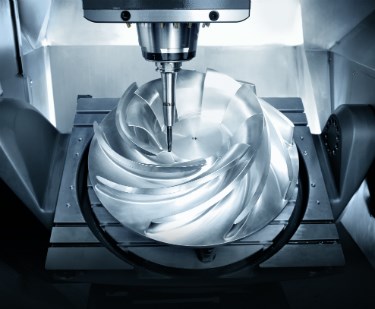
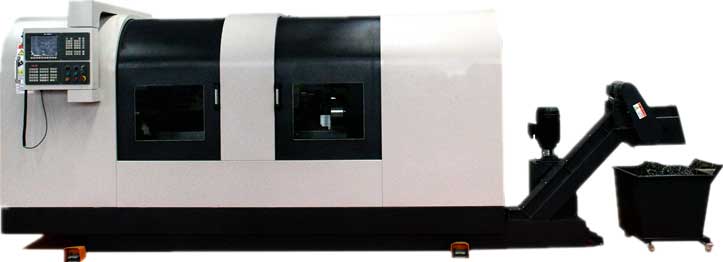
A stock image related to Axis Machining Center.
In-depth Look: Manufacturing Processes and Quality Assurance for Axis Machining Center
The manufacturing of axis machining centers represents a convergence of metallurgical science, precision engineering, and metrological rigor. For B2B buyers evaluating capital equipment investments across diverse industrial markets—from Germany’s automotive sector to Vietnam’s emerging manufacturing hubs—understanding the production methodologies and quality frameworks behind these machines is essential for assessing long-term ROI and operational reliability. The distinction between commodity-grade and industrial-grade equipment often lies not in specifications alone, but in the rigor of the manufacturing processes and verification protocols employed during production.
How Are High-Precision Axis Machining Centers Manufactured?
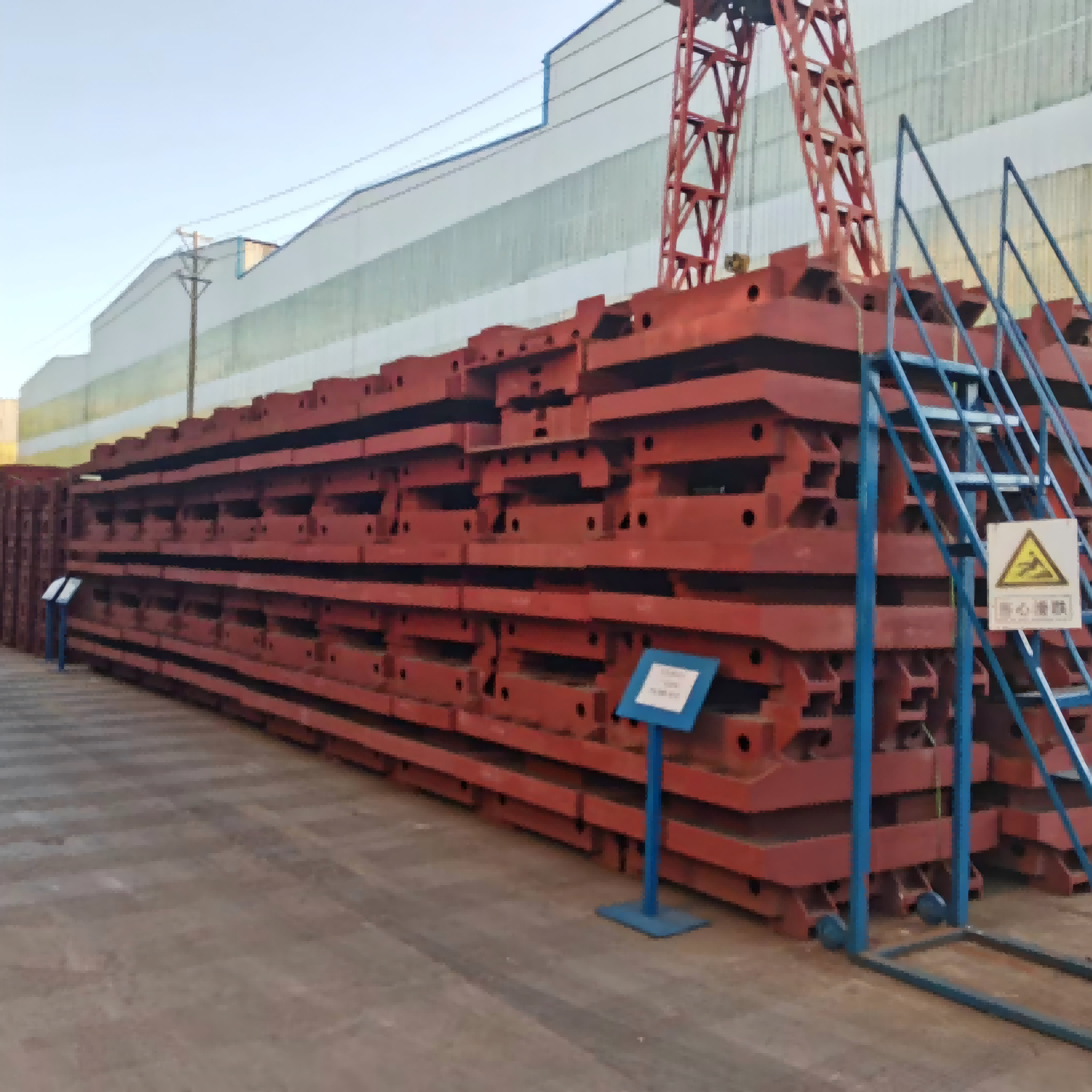
Premium axis machining centers begin with the foundational metallurgy of the machine bed and column structures. Leading manufacturers utilize high-grade Meehanite or densely ribbed gray iron castings, which undergo extended stress-relief heat treatment cycles—often spanning several weeks—to eliminate internal residual stresses that could compromise geometric accuracy over years of operation. These castings are subsequently machined on specialized CNC boring mills and grinding centers, frequently utilizing the manufacturers’ own 5-axis technology to ensure recursive precision in the production line. Critical contact surfaces, particularly linear guideways and box-way interfaces, often receive final hand-scraping or precision grinding to achieve sub-micron flatness tolerances, ensuring optimal bearing contact and vibration damping characteristics essential for high-speed machining operations.
What Quality Control Standards Should Global Buyers Demand?
International buyers should verify compliance with ISO 9001:2015 quality management systems as a baseline requirement, while specifically requesting documentation of geometric accuracy testing protocols. Comprehensive quality assurance programs incorporate laser interferometry verification for positioning accuracy and repeatability across all linear axes, typically achieving positioning tolerances of ±0.002mm or better on premium systems. Additionally, manufacturers should provide ballbar testing reports that validate circular interpolation accuracy and servo tuning consistency, ensuring the machine’s dynamic performance matches static specifications. For markets requiring CE marking (Europe) or specific regional certifications (such as GOST-R for certain Middle Eastern and African markets), verification of electrical safety and electromagnetic compatibility (EMC) testing documentation is non-negotiable.
Why Does Thermal Stability Management Matter in Production?
The manufacturing environment itself plays a critical role in final machine accuracy. Sophisticated producers maintain climate-controlled assembly floors with temperature stability within ±1°C to prevent thermal distortion during the critical alignment phases of spindle installation and axis calibration. Symmetrical casting designs with thermal compensation features are machined to distribute heat evenly during operation, while some manufacturers employ artificial aging processes—simulating years of thermal cycling—to stabilize components before final assembly. Buyers should inquire whether the manufacturer employs finite element analysis (FEA) during the design phase to predict thermal deformation patterns, as this computational rigor directly correlates with the machine’s ability to maintain tight tolerances during continuous production runs in ambient conditions ranging from humid tropical environments to dry desert climates.
How Is Geometric Accuracy Verified Before Shipment?
Pre-shipment inspection protocols for axis machining centers should include comprehensive cutting tests using standardized test pieces (such as NAS 979 or ISO 10791-7 test specimens) to validate simultaneous 5-axis contouring accuracy and surface finish capabilities. Spindle runout testing using precision test bars and dial indicators ensures radial and axial runout remains below 0.002mm, while laser calibration of rotary axes (A, B, or C axes) verifies angular positioning accuracy critical for complex contour machining. Reputable manufacturers also conduct 48-hour continuous running tests under load to identify early bearing wear or thermal drift issues before shipment, providing buyers with statistical process control (SPC) data demonstrating Cpk values greater than 1.67 for critical accuracy parameters.
What Documentation Ensures Supply Chain Transparency for International Procurement?
B2B buyers should request material certificates (mill test reports) for all critical structural components, verifying the metallurgical composition and tensile strength of castings and heat-treated steels. Traceability documentation for high-wear components—such as ball screws, linear guides, and spindle bearings—should identify original equipment manufacturers (OEMs) like THK, NSK, or SKF, ensuring replacement part availability in local markets. Additionally, buyers should verify that the manufacturer maintains documented calibration records for all inspection equipment used during production, with measurement devices traceable to national standards (such as NIST, PTB, or JIS). For buyers in emerging markets like Africa and South America, confirming the availability of localized spare parts inventories and technical documentation in English, German, or local languages significantly reduces long-term maintenance risks.
How Do Manufacturers Support Performance in Diverse Operating Environments?
Given the global distribution of these assets, quality-conscious manufacturers design axis machining centers with environmental hardening features specific to target markets. For humid climates prevalent in Southeast Asia and coastal African regions, machines should incorporate tropicalization treatments including sealed electrical cabinets with positive pressure systems, anti-corrosion coatings on non-painted surfaces, and moisture-resistant cable glands. For dusty environments common in Middle Eastern manufacturing facilities, positive-pressure electrical enclosures with IP54 ratings or higher prevent particulate ingress into servo motors and control systems. Voltage regulation capabilities and electrical surge protection are critical for regions with unstable power grids, ensuring the CNC control systems and high-precision feedback scales maintain integrity during power fluctuations. Buyers should confirm that manufacturers provide region-specific installation guidelines and environmental operating condition specifications to validate warranty coverage under local conditions.
Practical Sourcing Guide: A Step-by-Step Checklist for ‘Axis Machining Center’
Navigating the procurement of multi-axis machining technology requires systematic evaluation to ensure capital equipment aligns with both immediate production demands and long-term operational capabilities. This checklist provides manufacturing decision-makers with a structured framework to mitigate procurement risks and secure optimal return on investment when sourcing advanced CNC machining centers.
1. Define Your Machining Requirements and Material Specifications
Begin by analyzing your part complexity, material hardness, and production volume requirements. Determine whether you need simultaneous 5-axis capability for complex aerospace or medical components, or if 3+2 positional indexing suffices for mold and die applications. Document required spindle power, RPM ranges, and torque characteristics based on whether you will machine aluminum alloys, titanium, hardened steels, or composite materials. This specification sheet becomes your primary filter for eliminating unsuitable machine configurations.
2. Which Machine Configuration Best Suits Your Production Workflow?
Evaluate structural designs against your typical workpiece dimensions and weight. Trunnion-table configurations excel for heavy, complex parts requiring robust rotary support, while swivel-head designs offer superior accessibility for large components and deep cavity work. Traveling-column architectures provide flexibility for oversized workpieces. Verify that the machine’s work envelope accommodates your largest anticipated part with adequate clearance for fixturing and tool length.
3. How to Evaluate Control Systems and Software Compatibility?
Assess CNC controller options—whether Fanuc, Siemens, or Heidenhain—based on your facility’s existing programming expertise and maintenance familiarity. Confirm that the control system supports high-speed machining algorithms and look-ahead functions necessary for complex surface finishing. Verify CAM software compatibility and post-processor availability for your specific machine geometry, ensuring seamless translation from CAD models to executable G-code without manual intervention.
4. What Regional Support Infrastructure Should You Verify Before Purchasing?
For buyers in Africa, South America, the Middle East, or Southeast Asia, confirm the manufacturer’s service network density within your region. Verify that factory-trained technicians are available for installation, commissioning, and emergency repairs. Assess spare parts warehousing locations to minimize downtime—ideally within your continent or region. Inquire about training programs delivered in local languages and time zone-compatible technical support channels.
5. How to Calculate Total Cost of Ownership for Multi-Axis Equipment?
Move beyond acquisition price to evaluate shipping logistics, import duties, foundation requirements, and utility demands including power consumption and compressed air specifications. Factor in specialized tooling costs, as 5-axis operations often require shorter, more rigid tool holders. Calculate projected maintenance intervals and consumable costs. Request detailed warranty terms covering spindle bearings, ball screws, and control electronics.
6. Why Is Factory Acceptance Testing Essential for International Procurement?
Insist on comprehensive factory acceptance testing (FAT) before shipment, either virtually or on-site. Require the supplier to machine test coupons using your actual production materials and cutting parameters. Verify geometric accuracy, positioning repeatability, and thermal stability under continuous operation. Document all calibration certificates, electrical schematics, and maintenance manuals in your preferred language to avoid delays during installation and commissioning.
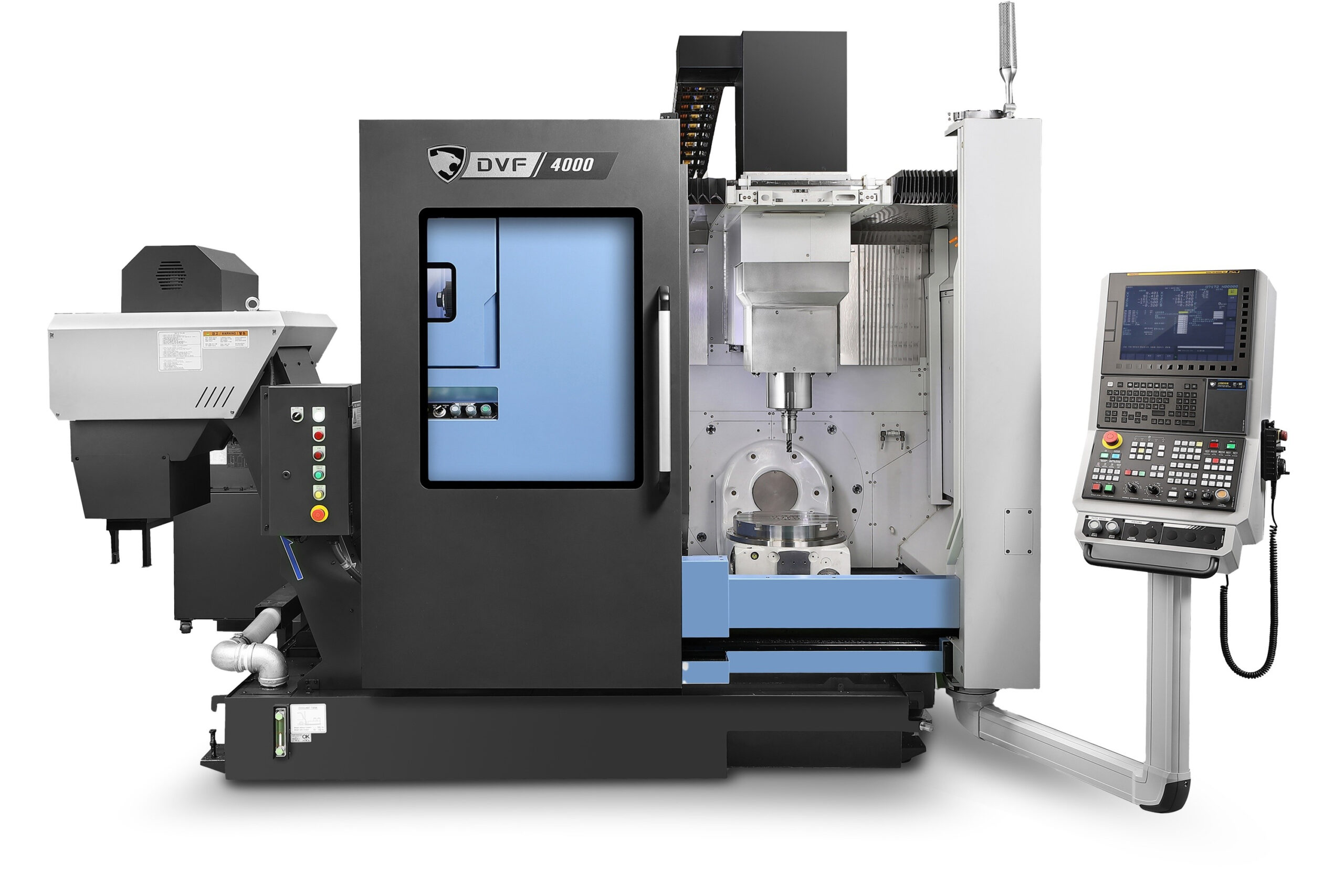
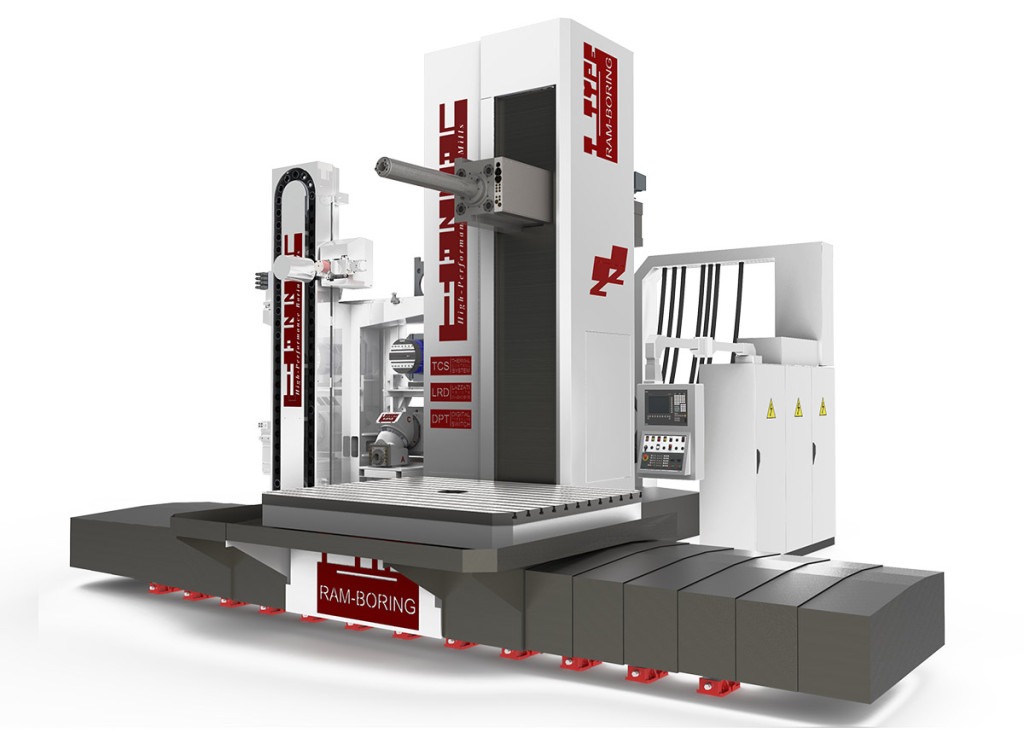
A stock image related to Axis Machining Center.
Comprehensive Cost and Pricing Analysis for Axis Machining Center Sourcing
When evaluating capital equipment investments, procurement teams must look beyond the initial purchase price to understand the true economic impact of precision machining technology. For international buyers operating in diverse manufacturing ecosystems—from Germany’s automotive corridors to Vietnam’s emerging industrial zones—the cost structure of axis machining centers involves complex variables including regional tariff regimes, currency fluctuation risks, and long-term operational efficiency gains.
What Factors Drive the Total Cost of Ownership for Multi-Axis Machining Centers?
The transition from 3-axis to 5-axis configurations represents a significant capital commitment, with premium articulated head systems typically commanding 40-60% higher acquisition costs than conventional trunnion table designs. However, sophisticated buyers calculate return on investment through reduced cycle times and eliminated secondary operations. Single-setup machining capabilities can decrease per-part production costs by 30-50% for complex geometries, particularly in aerospace and medical device manufacturing where precision requirements justify premium equipment specifications. When analyzing proposals, distinguish between simultaneous 5-axis interpolation capabilities and positional 5-axis indexing, as the latter offers substantial cost savings for less complex applications while maintaining productivity advantages.
How Do Regional Sourcing Strategies Impact Equipment Pricing?
For buyers in Africa, South America, and the Middle East, landed costs extend far beyond the manufacturer’s invoice. Import duties on precision machinery can range from 5-25% depending on local industrial development policies, while specialized rigging and sea freight for machines exceeding 10 tons require careful logistics budgeting. European buyers, particularly in Germany, benefit from proximity to premium manufacturers but face stringent CE compliance and energy efficiency regulations that influence final pricing. Vietnamese and Southeast Asian markets increasingly encounter tiered pricing structures, where local assembly partnerships reduce import tariffs while maintaining OEM quality standards through knock-down kit configurations.
What Hidden Costs Should Buyers Anticipate Beyond the Machine Tool?
Comprehensive budgeting must account for infrastructure preparation, including foundation specifications for high-speed machining centers requiring vibration isolation and precision leveling. Software licensing represents another critical expense—advanced CAM systems for simultaneous 5-axis programming often require annual subscriptions exceeding $10,000 per seat. Additionally, factor in specialized training costs; operators transitioning from 3-axis to 5-axis environments typically require 80-120 hours of certified instruction to maximize machine utilization and prevent costly collision damage. Spindle technology choices significantly affect long-term operational expenses, with high-speed electro-spindles offering superior surface finishes but requiring more frequent maintenance intervals than traditional gear-driven alternatives.
How Can Procurement Teams Optimize Financing for High-Value CNC Investments?
Strategic buyers increasingly leverage equipment financing structures that align payment schedules with productivity ramp-up periods. Many manufacturers offer deferred payment programs for qualified international clients, particularly when purchasing multiple units for facility expansion. Consider negotiating comprehensive service contracts that bundle preventive maintenance, replacement spindle cartridges, and software updates into predictable monthly expenditures. For emerging market manufacturers, exploring government-backed industrial development grants can offset 15-30% of acquisition costs, though these programs often require proof of technology transfer or local workforce training commitments. Ultimately, the most cost-effective sourcing strategy prioritizes equipment reliability and manufacturer support networks over marginal purchase price reductions, ensuring minimal downtime in critical production environments.
Alternatives Analysis: Comparing Axis Machining Center With Other Solutions
When evaluating capital equipment investments, procurement teams must weigh the advanced capabilities of simultaneous multi-axis machining against established technologies that may offer superior returns for specific production volumes and geometric requirements. While full 5-axis machining centers eliminate setup bottlenecks and enable complex single-pass operations, alternative configurations remain viable for manufacturers navigating budget constraints or specializing in prismatic components.
What Are the Primary Alternatives to Simultaneous 5-Axis Machining?
| Comparison Aspect | Centro de usinagem de 5 eixos | 3-Axis CNC Machining Center | 3+2 Axis Positional System |
|---|---|---|---|
| Initial Capital Investment | High ($300K–$1M+) | Moderate ($50K–$250K) | Moderate-High ($150K–$400K) |
| Setup Requirements | Single setup for complex geometries | Multiple setups (3–5x) required for multi-sided parts | Reduced setups (2–3x) via indexed positioning |
| Geometric Capability | Unlimited tool orientation; handles undercuts and deep cavities | Limited to line-of-sight features; requires custom fixturing | Indexed angles only; no simultaneous contouring |
| Production Throughput | 40–60% faster cycle times for complex parts | Baseline (slower due to handling/alignment time) | 20–30% faster than 3-axis for angular features |
| Surface Finish Quality | Superior (consistent tool contact vectors) | Variable (witness marks from repositioning) | Good (improved over 3-axis, not simultaneous) |
| Programming Complexity | High (requires advanced CAM and collision avoidance) | Moderate (standard G-code proficiency) | Moderate-High (indexing protocols needed) |
| Maintenance Costs | Higher (complex kinematics and articulated heads) | Lower (simpler mechanical systems) | Moderate (rotary table maintenance) |
| Best Application | Aerospace, medical implants, complex molds | Prismatic parts, general fabrication, prototyping | Automotive fixtures, energy sector components |
Can 3-Axis Machining Centers Deliver Value for Complex Components?
Conventional 3-axis vertical machining centers remain the predominant alternative for manufacturers prioritizing capital efficiency over geometric complexity. These systems excel in producing prismatic components—blocks, plates, and simple housings—where features remain perpendicular or parallel to the primary axes. While capable of machining complex geometries through multiple setups, this approach introduces cumulative positioning errors and requires sophisticated fixture engineering that can consume 30–40% of total production time. For emerging markets in Africa and South America, where skilled labor costs remain lower but capital access is constrained, 3-axis machines paired with creative fixturing solutions often provide the most accessible entry point into CNC manufacturing. However, buyers must calculate the hidden costs of work-in-process inventory and extended lead times when complex parts require three to five separate operations across different setups.
Is 3+2 Axis Positioning the Optimal Compromise for Growing Manufacturers?
Three-plus-two (3+2) axis machining systems offer a strategic middle ground, utilizing rotary tables or trunnions to position the workpiece at fixed angles before executing traditional 3-axis cutting cycles. Unlike full simultaneous 5-axis machines, 3+2 systems cannot contour while rotating, but they eliminate the majority of setup changes required by pure 3-axis equipment. This configuration proves particularly valuable for European and Middle Eastern manufacturers transitioning from job-shop flexibility to production-scale efficiency, delivering 20–30% throughput improvements on angular components at roughly half the capital investment of simultaneous 5-axis centers. The technology requires less sophisticated CAM programming than full 5-axis contouring while still enabling access to five sides of a part in two setups. For Vietnamese and German manufacturers serving automotive or energy sectors—where part complexity is moderate but batch sizes are growing—3+2 systems represent a future-proof stepping stone that protects initial investment while building multi-axis machining competencies.
Essential Technical Properties and Trade Terminology for Axis Machining Center
When evaluating capital equipment for cross-border manufacturing operations, technical specification sheets often obscure more than they reveal. For procurement teams sourcing multi-axis machining centers across diverse markets—from German automotive suppliers to Vietnamese electronics manufacturers and heavy industry operations in the Middle East—understanding both measurable mechanical properties and nuanced trade terminology ensures alignment between operational requirements and delivered capabilities. The following specifications and industry terms represent critical due diligence checkpoints for avoiding costly specification mismatches.
What Are the Critical Technical Specifications for Multi-Axis CNC Equipment?
Simultaneous Interpolation Capability: Distinguish between true 5-axis simultaneous machining, where the tool maintains constant contact during linear and rotary axis movement, and 3+2 positioning systems that merely index the workpiece. Verify that the CNC controller supports full five-axis interpolation algorithms, particularly for complex free-form geometries common in aerospace and medical device manufacturing.
Spindle Power Density and Thermal Management: Beyond headline RPM figures, examine continuous duty power ratings (kW) and torque curves across the operational range. High-performance applications require liquid-cooled spindles with thermal compensation systems that automatically adjust for thermal drift during extended high-velocity machining cycles common in production environments.
Work Envelope and Rotary Table Dynamics: Calculate the effective machining volume accounting for interference between the spindle nose and rotary table fixtures. Verify the rotary table’s maximum load capacity (including workholding), rotational speed (rpm), and clamping torque (Nm)—specifications that determine suitability for heavy ferrous components versus lightweight aluminum structures.
Positioning Accuracy and Repeatability: Demand ISO 230-2 compliant data for linear axes (typically ±0.005mm or better) and rotary axes (±5 arc-seconds). Repeatability tolerances should exceed accuracy specifications, indicating the machine’s ability to return to identical positions across thermal cycles and production shifts.
Automatic Tool Changer (ATC) Throughput: Evaluate chip-to-chip time (including spindle orientation and tool indexing) rather than simple tool-to-tool metrics. Consider dual-arm ATC systems and magazine capacities exceeding 60 tools for unmanned production environments prevalent in modern manufacturing facilities.
Which Trade Terms Should Global Buyers Master Before Sourcing?
3+2 Positioning vs. Simultaneous 5-Axis: This distinction determines programming complexity and surface finish quality. 3+2 machining positions rotary axes then locks them during cutting, suitable for angled drilling and flat faces, while simultaneous 5-axis requires continuous coordination of all five degrees of freedom for complex contouring and eliminates witness marks from multiple setups.
Tool Center Point (TCP) Control: A critical software function within the CNC controller that maintains the cutting tool’s tip position stationary relative to the workpiece during rotary axis movements. TCP compensation prevents gouging when articulating around complex geometries and eliminates the need for lengthy CAM program adjustments.
Trunnion Table vs. Articulated Head Configurations: Trunnion systems (table-table kinematics) rotate the workpiece, providing superior rigidity for heavy stock removal but limiting maximum part dimensions. Articulated heads (head-table or head-head) rotate the spindle assembly, accommodating oversized components but requiring cast iron machine structures to manage momentum forces during high-speed positioning.
Post-Processor Kinematics: The software bridge translating CAM system outputs into machine-specific G-code must accurately model your specific axis configuration (e.g., nutating tables vs. orthogonal rotary axes). Mismatched post-processors cause subtle dimensional errors or catastrophic collisions during simultaneous moves.
High-Velocity Dust Extraction: Essential for dry machining of composites, carbon fiber, or graphite electrodes prevalent in advanced manufacturing sectors, this specification refers to localized suction capacity (measured in cubic feet per minute) at the spindle nose, preventing conductive dust infiltration into machine guideways and electrical cabinets.
Swarf Management and Chip Evacuation: Comprehensive terminology encompassing chip conveyor pitch, coolant filtration micron ratings, and tank capacity. Effective swarf management prevents chip recutting—a primary cause of premature tool failure and dimensional inaccuracy in deep cavity machining applications.
Navigating Market Dynamics and Sourcing Trends in the Axis Machining Center Sector
The global axis machining center sector is undergoing a paradigm shift as 5-axis technology transitions from specialized aerospace applications to becoming the operational default across diverse manufacturing verticals. For international procurement teams operating in emerging markets across Africa, South America, the Middle East, and Southeast Asia, understanding these evolving dynamics is essential for capital investment decisions that must balance immediate production needs with long-term technological adaptability. The convergence of articulated head innovations, Industry 4.0 integration, and hybrid manufacturing capabilities is reshaping sourcing strategies, requiring buyers to evaluate suppliers not merely on machine specifications, but on comprehensive ecosystem support and sustainable manufacturing practices.
Why Is 5-Axis Machining Becoming the Default Standard for Complex Manufacturing?
The evolution from 3-axis to 5-axis machining represents more than incremental improvement—it constitutes a fundamental redefinition of manufacturing freedom. Modern articulated head designs, replicating the dexterity of a human wrist through simultaneous rotation and inclination capabilities, have eliminated the constraints of multiple workholding placements that previously complicated complex geometry production. This technological maturation, pioneered as early as 1985 but now democratized across price points, enables single-setup machining that reduces total cycle times by 40-60% while eliminating cumulative positioning errors inherent in part repositioning. For B2B buyers, this shift means that 5-axis capability is no longer a luxury specification but a competitive necessity for producing intricate automotive components, medical implants, and mold tools with the ±0.0002″ repeatability demanded by global supply chains.
How Are Regional Markets in Emerging Economies Adopting Advanced CNC Technologies?
Manufacturing hubs in Vietnam, the Middle East, and select African and South American markets are increasingly leapfrogging traditional 3-axis infrastructure in favor of versatile 5-axis systems that accommodate diverse contract manufacturing requirements. This trend reflects the reality that emerging economies require machining solutions capable of handling everything from heavy-duty infrastructure components to precision medical devices without dedicated single-purpose equipment. Procurement teams in these regions prioritize suppliers offering robust moving-column designs and integrated rotary tables that provide flexibility for high-mix, low-volume production environments. However, successful technology adoption depends heavily on evaluating distributors’ local service networks, spare parts availability, and technical training capabilities—factors that often outweigh initial capital expenditure considerations in remote or developing industrial zones.
What Role Does Industry 4.0 Play in Modern Axis Machining Center Procurement?
Contemporary sourcing decisions must account for the integration of automation and data-driven manufacturing ecosystems. Leading equipment manufacturers now offer seamless robotic integration, IoT-enabled predictive maintenance systems, and hybrid manufacturing capabilities that combine subtractive machining with additive manufacturing processes. For international buyers, this connectivity translates to reduced unplanned downtime through real-time spindle monitoring and automated tool life management. When evaluating potential acquisitions, procurement teams should assess machines’ compatibility with existing MES (Manufacturing Execution Systems) and the availability of open-architecture CNC controls that facilitate future software upgrades rather than proprietary lock-in.
How Can B2B Buyers Integrate Sustainability into CNC Machine Sourcing?
Sustainability in axis machining center procurement extends beyond energy-efficient spindle motors to encompass the entire production methodology. The shift to single-setup 5-axis machining inherently reduces material waste by 70-80% compared to traditional multi-fixture operations, while optimized cutting angles extend tool longevity by 25-40%, significantly decreasing consumable waste streams. Buyers should prioritize suppliers utilizing high-velocity dust extraction systems and dry machining capabilities that minimize coolant chemical usage. Additionally, evaluate manufacturers’ end-of-life machine recycling programs and remanufacturing services, which extend capital equipment lifecycles while reducing the carbon footprint associated with complete machine replacement.
What Are the Critical Factors for Evaluating Supplier Ethics and Environmental Compliance?
Ethical sourcing in the B2B machining sector requires due diligence regarding supply chain transparency for critical components such as castings, electronic controls, and rare earth minerals used in servo motors. Procurement teams should verify suppliers’ adherence to ISO 14001 environmental management standards and conflict-free mineral certification programs. For European markets, particularly Germany, compliance with CE marking and Machinery Directive safety standards is non-negotiable, while Middle Eastern and African buyers should assess suppliers’ commitment to local content requirements and knowledge transfer initiatives. Establishing long-term partnerships with manufacturers demonstrating transparent labor practices and regional technical training investments ensures sustainable operational capacity that aligns with evolving corporate social responsibility mandates.
Frequently Asked Questions (FAQs) for B2B Buyers of Axis Machining Center
What is the difference between 3-axis and 5-axis machining centers for complex component manufacturing?
Three-axis machining centers operate along linear X, Y, and Z coordinates, requiring multiple setups to machine complex geometries with undercuts or angled features. Five-axis systems incorporate two additional rotational axes—typically A and B or B and C—allowing the cutting tool to approach workpieces from virtually any angle while maintaining optimal cutting conditions. This fundamental difference eliminates the need for multiple fixture changes, reducing cumulative positioning errors and typically decreasing total cycle times by 40-60% for intricate parts. For international manufacturers handling aerospace or medical components, 5-axis technology transforms production from a series of discrete operations into continuous single-setup machining.
How much does a 5-axis CNC machining center cost for international manufacturing operations?
Investment levels for 5-axis machining centers typically range from $200,000 for entry-level vertical configurations to over $1.5 million for heavy-duty horizontal models with automation integration. Total cost of ownership extends beyond the initial purchase to include specialized CAM software licenses, operator training programs, and region-specific import duties prevalent in African, Middle Eastern, and South American markets. Buyers should evaluate machine specifications against actual production requirements, as high-speed spindles and pallet-changing systems significantly impact pricing but deliver measurable throughput advantages. Most international manufacturers achieve return on investment within 18-36 months through reduced labor costs, diminished scrap rates, and increased unattended machining capabilities.
Which high-precision industries benefit most from implementing 5-axis machining center technology?
Aerospace manufacturers utilize 5-axis centers for machining turbine blades and structural components with complex curved surfaces that require continuous tool orientation adjustments. The medical device sector depends on this technology for producing orthopedic implants and surgical instruments with biocompatible surface finishes free from witness marks caused by multiple setups. Automotive prototyping and mold-making operations leverage simultaneous 5-axis movement to create deep cavity dies with intricate internal passages and undercut features impossible to machine conventionally. Additionally, energy sector suppliers machining complex valve bodies and pump housings find that 5-axis capabilities eliminate geometric inaccuracies inherent in repositioning heavy workpieces.
What should manufacturers consider when choosing between vertical and horizontal axis machining centers?
Vertical machining centers position the spindle above the worktable, utilizing gravity for chip evacuation and providing ergonomic access ideal for prismatic parts and plate work common in general fabrication. Horizontal configurations feature a spindle oriented parallel to the ground, enabling automatic pallet changing systems and four-sided machining through tombstone fixturing—critical for high-volume production of cubic components. When evaluating options, manufacturers must assess part geometry complexity, workpiece weight capacity requirements, and available floor space, as horizontal machines typically demand larger footprints but offer superior chip management for heavy-duty cutting. For mixed production environments common in emerging markets, vertical 5-axis centers with trunnion tables often provide greater flexibility for diverse part families ranging from small medical implants to medium-sized aerospace brackets.
How can global manufacturers calculate ROI when upgrading from 3-axis to 5-axis CNC machining equipment?
Return calculations must quantify setup time reductions, with 5-axis systems typically eliminating 70-80% of fixture changes and part repositioning operations required in conventional machining. Factor in tool life extensions of 25-40% achieved through optimal cutting angles maintained throughout simultaneous multi-axis movements, alongside labor reallocation from machine tending to quality inspection. Include measurable quality improvements from ±0.0002″ repeatability across complex geometries, which reduces scrap rates and rework costs particularly critical for expensive aerospace alloys and titanium medical implants. International buyers should also model currency exchange stability, local energy costs, and potential productivity gains from unmanned night shifts enabled by automation-ready 5-axis platforms.
What after-sales support and spare parts networks are essential when sourcing axis machining centers for emerging markets?
Prioritize suppliers maintaining regional service hubs with factory-trained technicians capable of addressing mechanical and control issues without extended downtime common when relying solely on overseas support. Verify the availability of critical spare components—particularly spindle assemblies, rotary table bearings, and drive systems—within regional distribution centers serving Africa, South America, and the Middle East to avoid production halts. Remote diagnostic capabilities utilizing IoT connectivity allow manufacturers to troubleshoot control software and axis calibration issues before dispatching service personnel, reducing resolution times significantly. Comprehensive training programs for local maintenance staff and operators ensure sustainable machine utilization independent of continuous foreign technician visits.
What CAM software and programming capabilities are necessary to maximize 5-axis machining center efficiency?
Effective 5-axis operation requires CAM systems capable of generating simultaneous multi-axis toolpaths with collision avoidance algorithms that prevent interference between the spindle, tool holder, and workpiece fixtures during complex rotations. Verify post-processor accuracy specific to your machine tool builder, as generic post-processors often fail to optimize feed rates and axis movements for proprietary control systems like Fanuc, Siemens, or Heidenhain. Machine simulation software becomes essential for verifying complex cutting sequences before metal removal, particularly when machining expensive materials or near-net-shape castings where scrap costs are prohibitive. International buyers should ensure software vendors provide localized technical support and training in regional languages to maximize programmer productivity and minimize costly programming errors.
How do trunnion table and swivel head configurations impact 5-axis machining flexibility and part accessibility?
Trunnion-style machines mount the workpiece on a tilting rotary table, providing excellent rigidity for heavy components but limiting tilt angles typically to ±120 degrees and potentially creating accessibility challenges for large parts. Swivel head or articulated head configurations move the spindle rather than the workpiece, mimicking human wrist movement to achieve full 5-side access on large components without interference from fixture structures. Trunnion systems generally offer better precision for small, dense parts requiring high rotational accuracy, while swivel heads excel in mold and die applications involving deep cavities and complex draft angles. When sourcing equipment, evaluate your typical part envelope and weight distribution—trunnion tables handle substantial weight but restrict part height, whereas swivel heads accommodate taller components but may sacrifice some rigidity during extreme angular cuts.
Important Disclaimer & Terms of Use
⚠️ Important Disclaimer
The information provided in this guide, including content regarding manufacturers, technical specifications, and market analysis, is for informational and educational purposes only. It does not constitute professional procurement advice, financial advice, or legal advice.
B2B buyers must conduct their own independent and thorough due diligence before making any purchasing decisions. The risk of relying on any information in this guide is borne solely by the reader.
Strategic Sourcing Conclusion and Outlook for Axis Machining Center
How Will Multi-Axis Machining Define Tomorrow’s Manufacturing Standards?
The trajectory of CNC technology indicates that 5-axis capability is transitioning from specialized luxury to operational baseline. For manufacturers across Africa, the Middle East, South America, and emerging Asian hubs like Vietnam, investing in modern axis machining centers represents a strategic hedge against evolving complexity demands in aerospace, medical, and automotive supply chains. The elimination of multiple setups not only accelerates production cycles by 40-60% but also reduces dependency on hard-to-source specialized fixturing.
What Critical Factors Should Guide Regional Sourcing Decisions?
Buyers from Germany’s precision engineering sector to emerging industrial markets must prioritize suppliers offering robust remote diagnostics and localized service networks over pure specification metrics. While advanced articulated head technologies deliver superior flexibility, ensuring spare parts availability and technical training within regional hubs proves more valuable long-term than marginal speed advantages. Evaluate total cost of ownership through energy efficiency and automation compatibility rather than initial capital expenditure alone.
Positioning Your Operation for the Next Decade of Precision Manufacturing
As artificial intelligence and real-time adaptive controls increasingly integrate with multi-axis platforms, sourcing decisions must accommodate tomorrow’s smart factory architectures. Select machining centers with open architecture controls and IoT-ready interfaces to ensure seamless Industry 4.0 integration. The competitive advantage will belong to operations that view these machines not merely as cutting tools, but as connected, data-generating assets that drive continuous process optimization across global supply chains.