
Introduction: Navigating the Global Market for Profile Machining Center
Sourcing the right profile machining center for high-volume aluminum processing requires more than comparing specifications—it demands strategic insight into how multi-axis CNC capabilities align with your specific production workflows and regional material standards.
Global manufacturers face a critical dilemma: achieving millimeter-perfect precision in long-profile machining while managing capital expenditure and navigating complex cross-border supply chains. Whether you’re fabricating architectural façade elements in São Paulo, extruding precision window frames in Hanoi, or producing lightweight automotive components in Dubai, selecting inadequate machinery can stall production lines, compromise quality consistency, and erode long-term profitability in competitive markets.
What Technical Specifications Define a High-Performance Profile Machining Center?
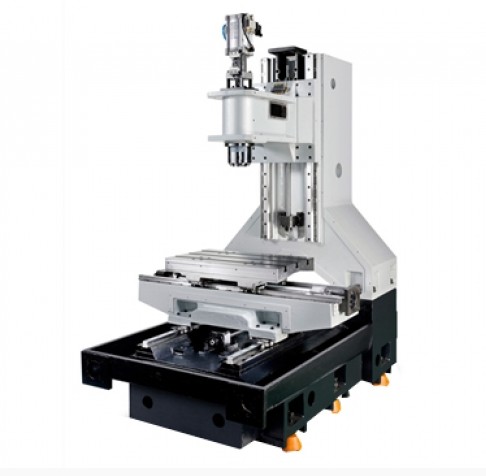
Modern systems transcend traditional vertical or gantry classifications, utilizing rigid moving column architectures with fixed worktables to eliminate vibration during high-speed milling, drilling, threading, and sawing of aluminum, PVC, or steel profiles extending several meters in length.
How Do Regional Processing Requirements Influence Machinery Selection?
From high-volume uPVC window production in emerging African markets to precision mechanical engineering in European facilities, applications demand varying degrees of automation, tool magazine capacity, and CAD/CAM integration—factors that directly impact operational efficiency in diverse industrial environments.
What Critical Evaluation Criteria Matter Most for International Procurement?
Beyond initial acquisition costs, discerning buyers must assess supplier technical support networks, heavy machinery logistics capabilities, software compatibility with existing ecosystems, and compliance with local safety regulations across Middle Eastern, South American, and Southeast Asian jurisdictions.
This comprehensive guide equips procurement teams from Lagos to Lima with actionable frameworks for vetting OEMs, calculating total cost of ownership, and negotiating service-level agreements. By demystifying complex technical specifications and addressing region-specific operational challenges, we empower you to transform capital equipment investments into sustainable competitive advantages.
Understanding Profile Machining Center Types and Variations
| Type Name | Key Distinguishing Features | Primary B2B Applications | Brief Pros & Cons for Buyers |
|---|---|---|---|
| 3-Axis Moving Column Profile Machining Centers | Fixed worktable with traveling column structure; X/Y/Z linear axes; optimized for long aluminum profiles up to several meters | Standard window/door manufacturing, façade construction, general aluminum profile processing | Pros: Superior stability for long workpieces, compact footprint, cost-effective precision Cons: Limited to simple geometries, requires manual repositioning for complex angles |
| 4-Axis/5-Axis Rotary Profile Machining Centers | Additional rotational axes (A/B/C); automatic tool changers; simultaneous mitre cutting and contouring capabilities | Complex door fittings, automotive interior profiles, architectural façade elements with angled intersections | Pros: Single-setup complex machining, eliminates secondary operations, high precision on mitre cuts Cons: Higher capital investment, complex programming requirements, increased maintenance complexity |
| Multi-Process Integrated Profile Machining Centers | Combines milling, drilling, sawing, and thread cutting in one CNC platform; eliminates workpiece transfer between stations | High-volume window production, complete profile processing lines, curtain wall manufacturing | Pros: Reduced labor costs, minimal material handling damage, compressed production schedules Cons: Higher maintenance complexity, potential single-point bottlenecks, requires robust chip/dust extraction |
| Heavy-Duty Gantry Profile Machining Centers | Robust overhead gantry structure; high load capacity (multi-ton); extended X-axis travel for batch processing of multiple parts | Steel profiles, large façade systems, industrial mechanical engineering, infrastructure components | Pros: Handles heavy/dense materials, exceptional rigidity, processes multiple small parts simultaneously Cons: Significant floor space requirements, substantial capital investment, complex foundation needs |
What Are Moving Column Profile Machining Centers and When Should You Invest?
Moving column profile machining centers feature a fixed worktable with a traveling column structure, delivering exceptional stability when processing long aluminum profiles up to several meters in length. This configuration eliminates vibration issues and inertia problems common in moving-table designs, ensuring millimeter precision across the entire workpiece length while maintaining a compact
Key Industrial Applications of Profile Machining Center
| Industry/Sector | Specific Application of Profile Machining Center | Value/Benefit for the Business | Key Sourcing Considerations for this Application |
|---|---|---|---|
| Architectural Aluminum Fabrication & Construction | CNC machining of curtain wall profiles, window frame mullions, and door systems with integrated drainage grooves, hardware pockets, and thermal break slots | Eliminates manual transfer between stations; reduces material waste by 15-20%; enables just-in-time production for large-scale real estate developments in rapidly urbanizing regions | Climate-resistant coolant systems for high-humidity environments (Southeast Asia, Brazil); local service network availability; compatibility with regional 6063-T5 and 6060-T66 aluminum alloy grades |
| Electric Vehicle & Automotive Manufacturing | Precision machining of battery enclosure extrusions, chassis subframes, and interior rail profiles requiring multi-axis drilling, tapping, and contour milling | Single-setup processing of 6-meter+ aluminum profiles ensures geometric tolerance critical for battery safety; reduces cycle time by 40% versus conventional methods; supports lightweighting initiatives | CE/ISO certification for export compliance; high-torque spindle configuration (minimum 12kW) for 6061-T6 aluminum; automated tool changer capacity for abrasive silicon-rich alloys; integration with robotic loading systems |
| Solar Photovoltaic Infrastructure | High-speed cutting and machining of solar panel mounting rails, tracker system beams, and junction box brackets with anti-corrosion surface preparation | Batch processing of standardized profiles meets aggressive renewable energy installation schedules; maintains ±0.1mm tolerance for field assembly; supports localization requirements in emerging solar markets | Efficient dust extraction systems for desert climates (Middle East, North Africa); compatibility with pre-anodized profile processing to prevent surface scratching; software compatibility with international tracker engineering CAD standards |
| Railway & Heavy Transport Equipment | Machining of train body side beams, interior luggage rack extrusions, and HVAC ducting profiles requiring complex longitudinal grooves and connection patterns | Fixed-table stability prevents vibration during deep cavity milling of thick-walled profiles; accommodates workpieces exceeding 12 meters; supports rolling stock refurbishment and local content manufacturing mandates | Machine bed rigidity specifications for 10m+ workpieces; multi-language CNC interface (Portuguese, Spanish, Arabic, Vietnamese); comprehensive training programs for local technicians; availability of wear parts in regional distribution hubs |
| Industrial Automation & Robotics | Fabrication of aluminum T-slot framing, gantry robot beams, and conveyor system supports requiring precise hole patterns and modular connection grooves | Enables local production of automation infrastructure, reducing reliance on imported frame systems; supports customization for specific factory layouts; facilitates rapid deployment of manufacturing cells in emerging industrial hubs | Modular fixturing systems for varied batch sizes (small to medium series); compatibility with standard extrusion series (30/40/50/80 mm); technical documentation and G-code libraries in local languages; after-sales response time guarantees |
How does profile machining center technology transform aluminum facade production for emerging market construction sectors?
Profile machining centers enable architectural fabricators to process curtain wall and window frame extrusions up to 7 meters in length within a single setup, eliminating cumulative errors from multiple handling operations. For construction markets in Vietnam and Brazil experiencing rapid urbanization, these machines address the challenge of producing high-precision facade components that meet international thermal break and air infiltration standards while accommodating regional aluminum alloy variations. The fixed-table moving-column design ensures stability when machining thin-walled architectural profiles, preventing distortion that commonly occurs with conventional moving-table machines.
What specific machining capabilities do EV battery manufacturers require from profile machining centers?
Electric vehicle manufacturers utilize profile machining centers to machine battery tray extrusions and chassis components that demand exceptional flatness and positional accuracy for crash safety compliance. The equipment’s ability to perform multi-face machining through 4-axis simultaneous interpolation eliminates the need for secondary operations, critical for meeting the production volumes required by Brazil’s growing automotive hub and Middle Eastern EV initiatives. Buyers should prioritize machines with high-torque spindles and automated tool changers capable of handling the abrasive nature of silicon-rich aluminum alloys used in lightweight vehicle structures.
Why are profile machining centers critical for solar mounting system producers in high-growth renewable markets?
Solar infrastructure producers rely on profile machining centers to mass-produce anodized aluminum mounting rails and tracker beams with consistent hole patterns for rapid field assembly in utility-scale installations. The technology solves the bottleneck of processing high volumes of 6-meter profiles while maintaining the geometric tolerances necessary for structural load distribution across desert and tropical environments. For African and Middle Eastern markets expanding renewable capacity, sourcing considerations include integrated chip evacuation systems that prevent scratching of anodized surfaces and software compatibility with international CAD standards for tracker engineering.
How do railway equipment manufacturers leverage profile machining centers for rolling stock modernization?
Railway equipment manufacturers employ these machines to refurbish and produce interior extrusion profiles for passenger cars, including luggage racks, window frames, and HVAC ducting that require complex longitudinal grooves. The moving-column architecture accommodates the extreme length of rail vehicle components—often exceeding 12 meters—while providing the rigidity necessary for heavy-duty milling of 6082-T6 aluminum alloys. This capability supports the modernization of rolling stock fleets in South America and Africa, where local content requirements increasingly mandate in-country machining capabilities rather than importing finished extrusions.
How do industrial automation integrators utilize profile machining centers for localized equipment manufacturing?
Automation system integrators in emerging manufacturing hubs use profile machining centers to produce custom aluminum framing and linear motion guides that form the backbone of factory automation cells. By machining 40×40 and 80×80 aluminum extrusion profiles locally, companies avoid lengthy import lead times for European or Asian frame systems while adapting connection patterns to specific robotic payloads. This capability proves particularly valuable for Brazil’s expanding industrial automation sector and Vietnam’s electronics manufacturing growth, where rapid deployment of production lines depends on immediate availability of precision-machined structural components.
A stock image related to Profile Machining Center.
3 Common User Pain Points for ‘Profile Machining Center’ & Their Solutions
Scenario 1: Why Do Long Aluminum Profiles Lose Precision During Multi-Operation Machining?
The Problem:
Fabricators specializing in architectural façades and large window systems frequently encounter dimensional drift when machining aluminum extrusions exceeding six meters in length. Traditional gantry systems or vertical machining centers that rely on moving the workpiece introduce cumulative positioning errors, particularly when transitioning between drilling, milling, and sawing operations. As the profile shifts between stations, thermal expansion and mechanical vibration compound tolerance deviations beyond acceptable limits—often exceeding ±0.1mm—resulting in misaligned mounting holes and inconsistent groove depths. For B2B buyers serving high-rise construction markets in the Middle East or Europe, these inaccuracies lead to costly field rejections, compromised weather sealing, and delayed project timelines that damage long-term client relationships.
The Solution:
Specify a profile machining center featuring a fixed-table, moving-column architecture that eliminates workpiece movement during machining. By securing the extrusion firmly to the machine bed while the spindle traverses the entire length on rigid linear guides, this design maintains micron-level repeatability from end to end. Prioritize models equipped with thermal compensation systems, high-torque servo spindles for varying wall thicknesses, and integrated chip extraction to prevent debris accumulation in long grooves. Additionally, ensure the CNC control supports continuous path interpolation for complex miter cuts, allowing complete processing of façade profiles—including drainage holes and hardware pockets—in a single clamping operation.
Scenario 2: How Can Manufacturers Eliminate Bottlenecks Between Multiple Profile Processing Stations?
The Problem:
Many production facilities, particularly in emerging markets like Brazil and Vietnam, operate fragmented workflows using standalone miter saws, copy routers, and drill presses for profile processing. Each transfer between stations requires manual repositioning and reclamping, introducing alignment errors and consuming valuable skilled labor hours. This multi-machine approach not only consumes excessive floor space but also creates production bottlenecks when handling complex aluminum window frames requiring drilling, threading, and grooving in specific sequences. The resulting inefficiencies prevent manufacturers from scaling operations to meet large commercial contracts while maintaining competitive per-unit costs and consistent quality standards.
The Solution:
Consolidate operations using a multi-axis CNC profile machining center equipped with automatic tool changers (ATC) and integrated CAD/CAM software. Modern centers combine milling, drilling, tapping, and sawing capabilities within a single setup, eliminating material handling between operations. Look for machines with 4-axis or 5-axis capability to handle compound angle cuts and undercutting required for modern curtain wall systems. The software integration allows operators to process complete profiles—from raw extrusion to finished component—without manual intervention, reducing setup times by up to 80% and eliminating cumulative tolerance errors. This unified approach also reduces workshop footprint and simplifies maintenance compared to managing multiple standalone units.
Scenario 3: Is Your Equipment Flexible Enough to Handle Both Long Extrusions and Small Batch Components?
The Problem:
B2B buyers often face equipment underutilization when purchasing dedicated machinery optimized solely for long architectural profiles. When smaller mechanical components, connecting brackets, or short plastic profiles require processing, these specialized machines sit idle, or worse, cannot accommodate the shorter workpieces effectively. Conversely, standard vertical machining centers lack the X-axis travel necessary for 6-10 meter façade extrusions. This inflexibility forces manufacturers to decline diverse contract work or invest in redundant equipment, straining capital budgets and reducing return on investment in competitive markets across Africa and South America where production versatility determines profitability.
The Solution:
Select a profile machining center designed for “extreme elasticity” in processing length. The extended worktable and moving-column structure allow manufacturers to fixture dozens of small parts simultaneously using modular clamping systems for efficient batch production, while maintaining the rigidity and travel necessary for single long profiles up to 12 meters. Specify machines with parametric programming capabilities that quickly switch between complex façade geometries and simple mechanical brackets. This dual-capability platform maximizes spindle utilization across varying job types, enabling fabricators to serve both construction and industrial mechanical sectors without additional capital investment, thereby improving equipment ROI and production scheduling flexibility.
Strategic Material Selection Guide for Profile Machining Center
Selecting the optimal material for your profile machining center operations requires balancing mechanical requirements, processing speeds, and regional supply chain realities. While these CNC systems excel with lightweight metals, understanding the nuanced behavior of each material category ensures capital equipment delivers projected ROI across diverse manufacturing environments—from Brazilian construction markets to Middle Eastern facade projects. Material selection directly impacts tooling strategies, spindle configuration requirements, and cycle time calculations, making this decision critical for procurement teams evaluating equipment capabilities against production portfolios.
Which Aluminum Alloy Specifications Maximize Processing Efficiency?
The 6000-series alloys—particularly 6063-T6, 6061-T6, and 6082-T6—represent the predominant workload for profile machining centers in international markets. These alloys offer an exceptional strength-to-weight ratio ideal for architectural glazing systems, curtain wall components, and automotive structural elements. Their machinability allows for high-speed cutting with minimal tool wear, enabling rapid throughput essential for high-volume production facilities. However, operators must implement aggressive chip evacuation systems to prevent galling on cutting edges, particularly with softer 6063 grades. Thermal expansion coefficients (approximately 23.5 × 10⁻⁶/K) require sophisticated compensation algorithms in CNC programming to maintain micron-level tolerances over several-meter-long extrusions, especially critical for facade projects requiring precise corner joints.
How Do Thermoplastic Profiles Like PVC and uPVC Respond to CNC Machining?
Thermoplastic profiles dominate window and door manufacturing in cost-sensitive markets across Africa, Vietnam, and South America, offering distinct processing characteristics compared to metallic substrates. Unlike aluminum, PVC and uPVC require reduced spindle speeds (typically 3,000-6,000 RPM versus 18,000+ RPM for aluminum) and specialized cutting geometries with positive rake angles to prevent melting and material welding on tool surfaces. While offering superior thermal insulation and corrosion resistance, these materials generate significant static electricity challenges and require robust dust extraction systems to maintain workplace safety. The fixed-table architecture of profile machining centers proves advantageous here, allowing batch processing of multiple PVC profiles simultaneously while maintaining consistent clamping pressure across flexible thermoplastic sections.
What Are the Technical Constraints When Machining Mild Steel on Profile Centers?
Expanding beyond non-ferrous applications, modern profile machining centers with reinforced spindles (7.5kW+) can process mild steel and carbon steel sections for heavy-duty structural frameworks, industrial racking systems, and reinforcement profiles. This capability requires substantial operational adjustments: reduced feed rates (often 30-50% of aluminum parameters), flood coolant systems, and carbide or TiAlN-coated tooling to manage heat generation and prevent work hardening. Steel processing tests machine rigidity due to higher cutting forces (approximately 3-4 times those of aluminum), making the fixed-table moving-column architecture critical for vibration dampening. While material costs remain low globally, the increased tool consumption and slower cycle times must factor into profitability calculations for mixed-material workshops serving diverse industrial sectors.
When Should Manufacturers Consider Aluminum Composite Panels for Facade Applications?
Aluminum Composite Panels (ACP)—comprising thin aluminum skins bonded to polyethylene cores—serve niche but growing markets in architectural facade cladding, corporate signage, and interior partition systems across European and Middle Eastern construction sectors. Profile machining centers equipped with V-grooving and specialized routing capabilities can process these materials, though operators must prevent delamination through diamond-tipped tooling and reduced cutting depths (typically not exceeding aluminum skin thickness). This material bridges the gap between solid extrusions and sheet metal, offering exceptional flatness and aesthetic versatility. However, the inability to perform traditional bending operations after machining limits design flexibility, requiring precise programming of fold lines using V-cut techniques that leave minimal material thickness at bend radii.
| Material | Typical Use Case for Profile Machining Center | Key
A stock image related to Profile Machining Center.
In-depth Look: Manufacturing Processes and Quality Assurance for Profile Machining Center
When investing in capital equipment for processing aluminum, PVC, or steel profiles, understanding how the machine itself is manufactured and validated separates premium suppliers from assembly-line operations. For procurement teams in emerging markets—from Vietnam’s booming construction sector to Brazil’s automotive supply chain—rigorous manufacturing processes and transparent quality assurance (QA) protocols directly correlate with machine longevity, precision retention, and total cost of ownership.
How Is the Machine Bed and Frame Engineered for Structural Integrity?
The foundation of any reliable profile machining center begins with its fixed-table, moving-column architecture, a design specifically chosen to handle extrusions measuring several meters in length. Reputable manufacturers utilize high-grade cast iron or stress-relieved welded steel for the machine bed, subjecting these components to artificial aging or vibration stress relief to eliminate internal tensions that cause deformation over time. This thermal stability is critical when machining long aluminum profiles for façade systems, where even micron-level deviations compromise assembly tolerances. The column and gantry structures undergo precision grinding and scraping processes to ensure perfect perpendicularity between the X, Y, and Z axes, creating the rigid framework necessary for simultaneous multi-axis operations like milling, drilling, and threading.
What CNC Control and Drive System Integration Processes Ensure Operational Precision?
Modern profile machining centers integrate 3-axis to 8-axis CNC controls, requiring sophisticated electrical assembly protocols within climate-controlled clean rooms. Manufacturers should utilize original equipment manufacturer (OEM) servo motors and drives—typically from established brands like Siemens, Fanuc, or Mitsubishi—with full traceability documentation. The integration process involves not merely mounting hardware, but comprehensive electromagnetic compatibility (EMC) testing to prevent signal interference during high-speed spindle operations. Critical to this phase is the calibration of the automatic tool changer (ATC) magazine, which must demonstrate sub-second tool-to-tool exchange times while maintaining precise positional repeatability across thousands of cycles, ensuring uninterrupted production runs for high-volume window and door manufacturers.
How Do Suppliers Validate Geometric Accuracy and Motion Control?
Before shipment, elite manufacturers subject profile machining centers to rigorous geometric accuracy testing using laser interferometry and ballbar analysis. These diagnostics verify positioning accuracy, repeatability, and reverse backlash across the entire travel range—particularly vital for the extended X-axis common in profile processing. Spindle runout testing ensures radial and axial tolerances remain within 0.005mm, while thermal imaging identifies heat generation patterns that could affect machining accuracy during continuous operation. For buyers in the Middle East and Africa, where ambient workshop temperatures fluctuate significantly, verifying that the manufacturer conducts thermal compensation testing under varying environmental conditions provides assurance of year-round precision stability.
What Quality Assurance Protocols Govern Critical Component Sourcing?
Transparency in the supply chain distinguishes industrial-grade equipment from consumer-grade alternatives. Buyers should verify that manufacturers utilize C3 or C5 grade precision ball screws and linear guideways from certified suppliers like THK, HIWIN, or Schneeberger, with material certificates confirming alloy composition and hardness ratings. The spindle assembly—often the most stressed component during aluminum profile machining—should originate from specialized manufacturers like HSD or Weihai, featuring ceramic bearings for high-speed operation and oil-air lubrication systems. Quality assurance extends to software validation, ensuring the CAD/CAM interface undergoes compatibility testing with industry-standard file formats (DXF, IGES, STEP) to prevent data translation errors during complex façade element programming.
Which Compliance Certifications and Documentation Protect International Buyers?
For B2B buyers navigating import regulations across Europe, South America, and Southeast Asia, comprehensive documentation serves as both legal protection and technical reference. Demand ISO 9001:2015 certification covering the entire manufacturing process, alongside CE marking for European markets or NR-12 compliance for Brazilian operations. Essential documentation includes the Factory Acceptance Test (FAT) report, containing actual measured accuracy data rather than theoretical specifications, and a complete Bill of Materials (BOM) with part numbers for future maintenance. Reputable manufacturers provide spindle vibration analysis reports and ball screw preload inspection certificates, enabling your maintenance teams to establish baseline performance metrics for predictive maintenance programs.
How Does Final Validation Ensure Production-Ready Performance?
The culmination of manufacturing quality assurance is the Factory Acceptance Test (FAT), where the profile machining center processes actual customer-specific profiles under production conditions. This involves machining test pieces that replicate your specific aluminum extrusion alloys or PVC compounds, verifying surface finish quality, burr formation, and dimensional accuracy across the full length of the workpiece. For automotive industry buyers, insist on Cpk (process capability index) testing demonstrating statistical process control with values above 1.33, ensuring the machine can maintain Six Sigma quality standards during mass production of structural components. The FAT should also validate dust and chip extraction efficiency—critical for maintaining precision in window manufacturing environments—ensuring the machine arrives production-ready rather than requiring weeks of on-site debugging.
By scrutinizing these manufacturing and QA milestones, procurement professionals secure equipment that transcends basic functionality, delivering the precision, reliability, and operational longevity necessary for competitive manufacturing in global markets.
Practical Sourcing Guide: A Step-by-Step Checklist for ‘Profile Machining Center’
Procuring a profile machining center represents a significant capital investment for manufacturers expanding their aluminum, PVC, or steel processing capabilities. This checklist provides a structured framework to evaluate technical specifications, supplier reliability, and long-term operational costs, ensuring your selection aligns with production demands and regional infrastructure constraints.
1. What Profile Specifications and Material Types Should You Define Before Sourcing?
Begin by cataloging your maximum workpiece length, cross-section dimensions, and material density. Determine whether you will process aluminum extrusions, PVC profiles, or steel sections, as this dictates spindle power requirements and cutting speed parameters. Consider future expansion needs—modern centers handle workpieces ranging from several meters to small batch components, so verify the machine’s flexibility across your entire product range.
2. How Do You Evaluate Machine Structure and Workpiece Length Capacity?
Prioritize moving column designs with fixed worktables rather than traditional moving table configurations. This architecture provides superior stability for long, heavy profiles by eliminating vibration during high-speed machining. Assess the X-axis travel capacity to ensure it accommodates your longest standard profiles without requiring secondary repositioning, which compromises precision. Confirm the table load capacity exceeds your heaviest workpiece weight by at least 20% for operational safety.
3. Which CNC Control Features and Software Integration Are Essential for Your Operations?
Verify compatibility with your existing CAD/CAM systems and ensure the controller supports your preferred programming language and regional language interfaces. Look for servo-driven spindles with automatic tool changers (ATC) capable of managing 12 or more tools. The system should facilitate seamless data transfer for complex milling, drilling, threading, and grooving operations without manual intervention between processes.
4. How Can You Ensure Reliable After-Sales Support and Spare Parts Availability in Your Region?
For buyers in Africa, South America, the Middle East, or Southeast Asia, proximity to technical service centers is critical. Confirm your supplier maintains regional service partnerships or local agents capable of providing installation, training, and emergency repairs. Evaluate spare parts logistics—establish whether critical components can be shipped within 48-72 hours to your location, and verify the availability of remote diagnostic capabilities to minimize downtime.
5. What Should You Include in Your Total Cost of Ownership Analysis Beyond the Initial Price?
Calculate power consumption requirements against your local electrical infrastructure, including voltage stability and three-phase availability. Factor in training costs for operators and maintenance staff, particularly if local expertise in advanced CNC systems is limited. Assess tooling costs, extraction system maintenance, and potential productivity gains from reduced labor through automation to determine the true return on investment over a five-year operational period.
6. How Do You Verify Automation Capabilities and Multi-Operation Efficiency?
Confirm the machine integrates multiple operations—milling, drilling, sawing, and notching—within a single setup to eliminate material waste and handling errors. Evaluate the chip extraction and dust collection systems for compliance with your facility’s environmental standards. Request demonstration runs using your actual profile samples to validate cycle times, surface finish quality, and the system’s ability to handle batch processing of smaller components on the same extended worktable.
A stock image related to Profile Machining Center.
Comprehensive Cost and Pricing Analysis for Profile Machining Center Sourcing
Sourcing a profile machining center represents a significant capital commitment that extends far beyond the initial purchase price. For procurement teams operating across diverse markets—from São Paulo to Ho Chi Minh City—understanding the complete cost architecture ensures sustainable manufacturing economics and avoids budget overruns during international implementation.
What Factors Drive the Total Cost of Ownership for Profile Machining Centers?
The investment spectrum spans from $80,000 for entry-level 3-axis units to over $500,000 for sophisticated 8-axis systems with automatic tool magazines and robotic integration. Primary cost determinants include the machine’s X-axis travel length (critical for processing extrusions up to 7 meters), spindle power rating, and the sophistication of CAD/CAM software integration. Control system brands (Siemens, Fanuc, or Heidenhain) significantly impact pricing tiers, while European manufacturers typically command premiums for precision engineering compared to competitive Asian alternatives. Additionally, automation components such as automatic tool changers with 12+ stations and chip conveyor systems add 15–20% to base configurations but dramatically reduce labor dependencies.
How Do Machine Specifications Align with Your Production Budget and Volume Requirements?
Entry-level configurations suit small fabricators focusing on standard aluminum window profiles, featuring fixed tables and manual tool changes within the $80,000–$120,000 range. Mid-range systems ($150,000–$300,000) incorporate servo-driven spindles, 4-axis capability, and enhanced extraction systems, ideal for complex façade elements and mechanical engineering applications. High-end platforms with simultaneous 5-axis machining, moving-column rigidity for heavy profiles, and robotic loading systems target automotive and aerospace tier-1 suppliers, justifying higher upfront costs through unmanned operation capabilities and micron-level precision that reduces material waste.
What Are the Hidden Logistics and Compliance Costs for Emerging Market Buyers?
International procurement involves ocean freight charges (often 5–8% of machine value), import duties ranging from 10–25% depending on local industrial policies in Brazil, Vietnam, or Nigeria, and specialized rigging for the moving-column structure. Budget comprehensively for on-site installation and commissioning (typically $5,000–$15,000), operator training programs lasting 1–2 weeks, and potential annual software licensing fees. Buyers in Africa and South America should specifically verify spare parts availability and technician response times, as delayed maintenance can incur significant production losses. Currency fluctuation risks between USD and local currencies require hedging strategies or Euro-denominated contracts when sourcing from European manufacturers.
How Can You Structure Payment Terms and Financing to Optimize ROI Across Regional Markets?
Secure contracts with stage-gate payment schedules: 30% deposit, 60% upon pre-shipment inspection, and 10% post-installation acceptance to mitigate supply risks. Consider Letters of Credit for initial transactions with overseas suppliers to protect against currency volatility affecting Brazilian Real or Vietnamese Dong. Evaluate total cost of ownership over 5–7 years rather than upfront price alone—energy-efficient servo systems and established local service partnerships often yield superior returns compared to lowest-bid alternatives. For Middle Eastern and African markets, explore supplier financing options or export credit agencies that can structure payments against production milestones, ensuring cash flow alignment with operational ramp-up periods.
Strategic sourcing requires balancing technical specifications against regional operational realities and currency exposures. By analyzing lifecycle costs including energy consumption, maintenance accessibility, and training requirements rather than sticker prices alone, procurement teams secure equipment that delivers consistent precision while aligning with local market economic conditions and growth trajectories.
Alternatives Analysis: Comparing Profile Machining Center With Other Solutions
When evaluating capital equipment for aluminum profile processing, procurement teams must weigh specialization against operational flexibility. While profile machining centers deliver integrated efficiency, two primary alternatives dominate the market: traditional dedicated machine lines (comprising separate cutting, drilling, and milling stations) and general-purpose vertical machining centers (VMCs). Each approach presents distinct trade-offs in capital expenditure, workflow efficiency, and dimensional capability that directly impact total cost of ownership for manufacturers in emerging markets.
How Do Profile Machining Centers Compare to Traditional Dedicated Lines and General-Purpose VMCs?
| Comparison Aspect | Profilbearbeitungszentrum | Traditional Dedicated Machine Line | General-Purpose Vertical Machining Center (VMC) |
|---|---|---|---|
| Initial Investment | High single-unit cost; premium for integration | Lower per-machine cost, higher cumulative capital outlay | Moderate to high; lower than specialized centers |
| Production Throughput | Very high for long profiles; single-setup completion | Moderate; bottlenecks at specific stations limit flow | Low to moderate for long profiles; multiple setups required |
| Setup Changeover Time | Minimal (minutes via CNC program) | High (hours; manual repositioning between machines) | Moderate; fixture-dependent and labor-intensive |
| Floor Space Efficiency | Compact (single footprint, fixed table) | Extensive (multiple machines + handling buffers) | Compact but limited by table travel constraints |
| Dimensional Capability | Excellent (meters to mill |
Essential Technical Properties and Trade Terminology for Profile Machining Center
When evaluating CNC profile machining centers for aluminum extrusion, window manufacturing, or façade construction operations, understanding specific technical benchmarks and industry nomenclature ensures accurate specification alignment with production demands. These machines bridge the gap between vertical machining centers and gantry systems, requiring distinct evaluation criteria that prioritize length accommodation and multi-face processing capabilities.
What Technical Specifications Determine Profile Machining Center Performance?
X-Axis Travel and Working Length Capacity represents the defining characteristic distinguishing profile centers from standard VMCs. Procurement teams should prioritize machines offering 3-meter to 12-meter X-axis travel to accommodate full-length aluminum extrusions without repositioning, ensuring geometric accuracy across the entire profile length while eliminating cumulative tolerance errors.
Multi-Axis Configuration (typically 4-axis or full 5-axis capability) enables simultaneous machining on multiple profile faces. Look for systems featuring rotating heads or trunnion tables that support compound angle cutting, allowing complex mitre joints and drainage grooves to be completed in a single setup rather than through secondary operations.
Fixed Table Load Capacity constitutes a critical architectural advantage. Unlike moving-table designs, profile centers utilize stationary beds supporting 2,000 kg to 10,000 kg of distributed weight. This configuration prevents inertia-induced vibrations during heavy-duty cutting of dense aluminum or steel profiles, particularly vital when processing long structural extrusions for commercial façades.
Automatic Tool Changer (ATC) Magazine Capacity directly impacts operational efficiency. Industrial applications require 16-tool to 40-tool magazines with servo-driven spindle speeds exceeding 12,000 RPM. Quick-change systems reduce setup times when switching between roughing end mills, precision threading tools, and specialized profile cutters.
Positioning Accuracy and Repeatability specifications determine suitability for high-end architectural or automotive applications. Demand systems offering ±0.05 mm precision with linear encoder feedback and thermal compensation features, ensuring consistent accuracy despite workshop temperature variations common in diverse manufacturing environments.
What Industry Terminology Should Procurement Teams Master?
Moving Column Architecture describes the machine’s fundamental structural design where the spindle head traverses X, Y, and Z axes while the worktable remains completely fixed. This configuration provides superior rigidity for long workpieces compared to traditional moving-table vertical centers, significantly reducing footprint requirements while maintaining stability during aggressive material removal.
Profile Clamping Fixtures refer to specialized pneumatic or hydraulic systems engineered to secure long extrusions without inducing deformation. Modular fixture systems utilizing vacuum-assisted or multi-point clamping allow rapid changeover between different profile cross-sections, maximizing machine utilization during mixed-batch production runs.
Multi-Face Processing denotes the capability to complete operations on multiple sides of a profile without manual repositioning. This functionality eliminates the “six-sides” processing bottleneck common in traditional machining, reducing labor costs while improving dimensional consistency between mating surfaces.
CAD/CAM Post-Processing encompasses the software integration layer translating architectural drawings into optimized machine code. Advanced systems include collision detection algorithms and aluminum-specific cutting parameter libraries that automatically adjust feed rates based on profile wall thickness variations.
Bar Processing Mode indicates operational settings optimizing the machine for continuous processing of long bar stock versus discrete short components. This mode affects automatic feed mechanisms, chip evacuation strategies, and coolant delivery systems specifically designed for extended workpieces.
Angular Head Attachments (or mitre units) enable precision cutting or milling at variable angles, typically essential for window frame production requiring perfect 45-degree or 90-degree corner joints. These attachments may be automatically indexed or manually positioned depending on machine sophistication levels.
Navigating Market Dynamics and Sourcing Trends in the Profile Machining Center Sector
The global profile machining center market is undergoing a structural transformation driven by infrastructure modernization across emerging economies and the acceleration of smart manufacturing in established industrial hubs. For B2B buyers in regions ranging from Southeast Asia to South America, navigating these shifting dynamics requires strategic foresight that balances immediate production scalability with long-term technological adaptability. As architectural aluminum processing, automotive lightweighting, and renewable energy infrastructure expand simultaneously, sourcing decisions must evolve beyond unit cost considerations to encompass supply chain resilience, after-sales support networks, and compliance with evolving international quality standards. Understanding these market dynamics enables procurement teams to secure machining platforms that deliver precision manufacturing capabilities while mitigating risks associated with currency volatility and geopolitical trade shifts.
What Are the Key Market Trends Driving Profile Machining Center Adoption in Emerging Economies?
The demand for profile machining centers is accelerating across Africa, South America, and the Middle East, fueled by large-scale infrastructure projects and rapid urbanization that require high-volume aluminum window, door, and façade production. Unlike mature European markets where replacement cycles dominate purchasing decisions, emerging economies are leapfrogging directly from manual fabrication to fully automated CNC workflows. This creates robust demand for versatile 3-axis to 5-axis systems that combine milling, drilling, and sawing operations in single setups, eliminating the material handling inefficiencies that plague traditional multi-machine layouts. Buyers in Vietnam and Brazil increasingly specify moving-column architectures with fixed-table designs, as these configurations provide the rigidity necessary for processing long architectural profiles up to ten meters while retaining the flexibility to batch-produce smaller mechanical components on the same platform.
Simultaneously, the sector is witnessing a technological pivot from standalone specialty equipment toward integrated flexible manufacturing platforms equipped with Industry 4.0 capabilities. Modern sourcing strategies now prioritize automatic tool changers with twelve or more magazine positions, CAD/CAM software integration, and IoT-enabled remote diagnostics that minimize costly downtime in regions where specialized technical support may be geographically dispersed. Financial structuring has emerged as a critical component of these trends, with buyers increasingly negotiating vendor financing arrangements or equipment leasing options to preserve working capital amid fluctuating exchange rates. This trend is particularly pronounced in African and Middle Eastern markets, where import duties on industrial machinery can represent significant portions of total investment costs. Progressive suppliers are responding by offering localized assembly partnerships or knock-down kit configurations that reduce tariff exposure while transferring technical knowledge to regional manufacturing hubs.
How Can B2B Buyers Integrate Sustainability and Ethical Sourcing Into Machine Tool Procurement?
Sustainability in profile machining center procurement extends beyond kilowatt-hour ratings to encompass total lifecycle impact and material efficiency. Forward-thinking B2B buyers are specifying machines with regenerative servo drives and intelligent power management systems that reduce electricity consumption during idle periods—a critical consideration for operations in regions with high energy costs or unreliable grid infrastructure. Since these centers predominantly process aluminum—a highly recyclable material—procurement decisions increasingly favor equipment designed to minimize scrap generation through precision CNC controls and optimized nesting algorithms. This alignment with circular economy principles not only reduces raw material waste but also lowers the carbon footprint associated with transporting replacement stock to remote job sites.
Environmental responsibility also encompasses workplace safety features, with sustainable procurement now favoring closed-loop coolant systems and advanced chip extraction technologies that reduce airborne particulate matter and eliminate the environmental hazards of traditional cutting fluid disposal. Ethical sourcing requires rigorous due diligence into the manufacturing practices behind the machines themselves. Buyers should verify supplier adherence to international labor standards, conflict-mineral policies, and environmental management certifications such as ISO 14001, ensuring that equipment production does not exploit regulatory arbitrage. The durability factor plays a pivotal ethical role; investing in robust machining centers constructed from high-grade cast iron with modular upgrade paths extends operational lifespans beyond fifteen years, countering the disposable equipment culture that contributes to industrial e-waste. Ultimately, sustainable strategies align capital expenditure with corporate ESG frameworks by selecting manufacturers committed to ethical disposal programs for electronic components and packaging materials at end-of-life.
Frequently Asked Questions (FAQs) for B2B Buyers of Profile Machining Center
1. How do I determine if a profile machining center fits my long-workpiece processing requirements?
A profile machining center is specifically engineered to handle extruded aluminum, PVC, or steel profiles ranging from several meters to over ten meters in length. Unlike conventional machines that require multiple setups and transfers between stations, these centers integrate milling, drilling, tapping, and sawing operations into a single fixed-table configuration. This eliminates cumulative positioning errors that occur when repositioning long workpieces across separate machines.
If your production involves window frames, curtain wall sections, or automotive structural components exceeding 3 meters, this machine type provides the rigidity and travel necessary to maintain geometric tolerances across the entire length. The moving-column design ensures the workpiece remains stationary while the spindle executes operations, preventing deflection and vibration common in table-moving machines handling extended profiles.
2. What are the key structural differences between a profile machining center and a standard vertical CNC machining center?
The fundamental distinction lies in the kinematic arrangement: profile machining centers utilize a fixed-table, moving-column structure, whereas standard vertical machining centers (VMCs) typically move the worktable. This architectural difference enables profile machines to handle workpieces weighing several tons without inertia or accuracy loss caused by table movement. The gantry or column frame provides exceptional stability when processing long extrusions that would overhang and vibrate on conventional VMC tables.
Additionally, profile centers feature extended X-axis travel—often exceeding 6 meters—designed specifically for length-based manufacturing. While standard VMCs optimize for cubic workpieces and batch production of small parts, profile machining centers excel as flexible platforms that accommodate both lengthy architectural profiles and high-volume small component batching using modular fixtures.
3. How much does a CNC profile machining center cost, and what factors affect the total investment?
Entry-level CNC profile machining centers typically start between $80,000 and $150,000, while high-end configurations with 5-axis capability, automatic tool changers (ATC), and advanced CAD/CAM integration can exceed $400,000. The final investment depends on axis count, spindle power, table length capacity, and automation features such as bar feeders and robotic loading systems. Beyond the initial purchase price, calculate total cost of ownership including energy consumption, tooling requirements, and software licensing fees.
For operations in emerging markets like Brazil or Vietnam, consider import duties, installation costs, and localized technical support availability when budgeting. Financing options and leasing arrangements often make advanced 5-axis systems accessible to mid-sized fabricators, with ROI typically realized within 18-24 months through reduced labor costs and material waste elimination.
4. Which industries commonly use profile machining centers for aluminum and extrusion processing?
The construction sector represents the largest user base, specifically manufacturers of aluminum windows, doors, and façade systems requiring precise milling of lock pockets and drainage channels. Automotive OEMs and tier-one suppliers utilize these machines for processing lightweight aluminum space frames, bumper beams, and interior trim extrusions. The railway and aerospace industries rely on profile centers for machining long structural components where weight reduction and structural integrity are critical.
Beyond these primary markets, renewable energy companies processing solar panel frames and mounting systems, as well as furniture manufacturers working with aluminum tubing and framing, increasingly adopt this technology. Any industry requiring high-mix, low-volume production of extruded profiles or batch processing of small aluminum components benefits from the machine’s versatility.
5. How do I select the optimal axis configuration for complex profile machining operations?
Three-axis configurations suffice for straightforward linear milling, drilling, and cutting of rectangular profiles, offering cost-effective solutions for standard window and door fabrication. However, if your production involves angled mitre cuts, compound angles, or complex contouring on multiple faces simultaneously, a 4-axis or 5-axis system becomes essential. The additional rotational axes enable single-setup processing of profiles that would otherwise require multiple repositionings, reducing cycle times by 40-60%.
For high-complexity architectural metalwork or automotive structural components, consider machines with twin spindles or aggregate heads that can perform operations on multiple profile faces simultaneously. Evaluate your typical part geometries—if 30% or more of your products require machining on inclined surfaces or compound angles, the productivity gains from 5-axis capability justify the additional investment.
6
Important Disclaimer & Terms of Use
⚠️ Important Disclaimer
The information provided in this guide, including content regarding manufacturers, technical specifications, and market analysis, is for informational and educational purposes only. It does not constitute professional procurement advice, financial advice, or legal advice.
B2B buyers must conduct their own independent and thorough due diligence before making any purchasing decisions. The risk of relying on any information in this guide is borne solely by the reader.
Top 1 Profile Machining Center Manufacturers & Suppliers List
1. Elumatec – CNC Profile Machining Centres
Domain: elumatec.com
Registered: 2002 (24 years)
Introduction: CNC profile machining centres (SBZ series including models 118, 122/70 Plus, 122/71, 122/73-75, 125/85, 130, 131, 140, 141, 145, 151, 155, 616/02, 625/13, 628 S/XL/XXL, 630, 631) for high-precision milling, drilling and tapping of aluminium, steel and PVC profiles. Features 3/4/5-axis configurations, numerical control for precision and reduced processing times, inclined bed design for ergonomic op…
Strategic Sourcing Conclusion and Outlook for Profile Machining Center
What Should Global Buyers Prioritize When Sourcing Profile Machining Centers?
When procuring profile machining centers for emerging markets across Africa, South America, and Southeast Asia, prioritize suppliers with established regional service networks and localized technical support. Evaluate equipment based on multi-material versatility—ensuring seamless processing of aluminum, PVC, and steel profiles—to maximize operational flexibility across construction and automotive applications. Verify native CAD/CAM integration capabilities and automatic tool management systems, as these features directly reduce setup times and ensure batch consistency. Additionally, assess spare parts logistics and training accessibility, which often prove more critical than initial capital expenditure in maintaining long-term productivity.
How Is Profile Machining Technology Evolving for Tomorrow’s Manufacturing?
The industry is advancing toward intelligent, connected machining platforms that combine traditional profile processing with AI-driven predictive maintenance and real-time production optimization. Next-generation moving column architectures will offer enhanced rigidity for processing both ten-meter façade profiles and high-volume small components simultaneously. Expect deeper Industry 4.0 integration, where IoT-enabled centers automatically adjust tool paths to reduce material waste by up to 30% while accommodating complex geometries required for renewable energy infrastructure and electric vehicle manufacturing.
Why Invest in Advanced Profile Machining Capabilities Now?
For manufacturers in high-growth regions, modern profile machining centers represent a strategic hedge against skilled labor shortages and volatile material costs. These systems transform traditional workshops into precision-driven, automated production hubs capable of serving multiple sectors—from architectural glazing to mechanical engineering—with minimal retooling downtime.