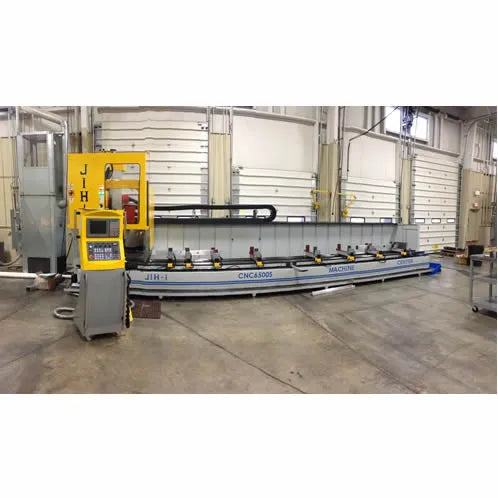
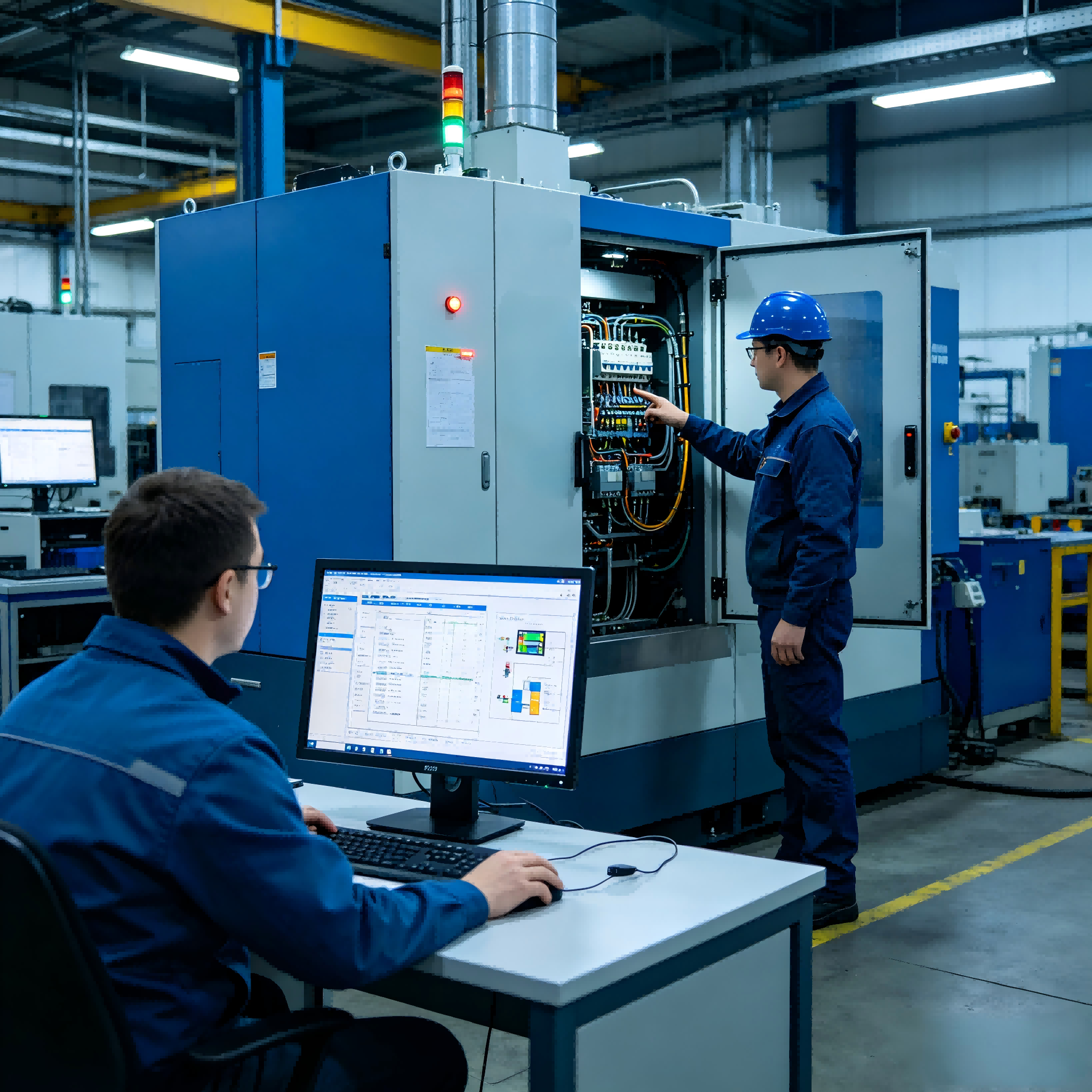

في عصر ترتبط فيه الدقة على مستوى الميكرون ارتباطًا مباشرًا بالميزة التنافسية، برز اختيار مراكز الماكينات الجانبية كقرار استراتيجي حاسم بالنسبة للمصنعين في قطاعات الإنشاءات والسيارات والفضاء والتصنيع الصناعي. تعمل هذه الأنظمة المتخصصة للماكينات بنظام التحكم الرقمي - المصممة خصيصًا للمعالجة المعقدة لسحب الألومنيوم وملامح PVC والمواد الخطية المعقدة - بمثابة العمود الفقري للعمليات عالية الإنتاجية حيث تكون التفاوتات الدقيقة وجودة تشطيب السطح من العوامل غير القابلة للتفاوض في السوق.
يشهد مشهد تكنولوجيا التصنيع الآلي للمقاطع الجانبية تحولاً سريعًا مدفوعًا بالتقارب بين القدرات متعددة المحاور والأتمتة الذكية واتصال الصناعة 4.0. تدمج المعدات الرائدة اليوم واجهات CAD/CAM المتقدمة وأنظمة إدارة الأدوات الآلية ومراقبة العمليات في الوقت الحقيقي التي تتيح التصنيع في الوقت الحقيقي مع تقليل هدر المواد. نظرًا لأن حلول الماكينات الهجينة - التي تجمع بين عمليات الطحن والحفر والاستدقاق والنشر ضمن إعدادات واحدة - أصبحت معيارًا في الصناعة، يواجه المصنعون ضغوطًا متزايدة لتحديد المنصات التي لا توفر الدقة الهندسية فحسب، بل تعمل أيضًا على تحسين أوقات الدورات والمرونة التشغيلية.
بالنسبة لمديري العمليات وفرق شراء المعدات الرأسمالية، تمتد المخاطر إلى ما هو أبعد من تكاليف الاقتناء الأولية. يؤثر مركز الماكينات الجانبية المناسب تأثيرًا مباشرًا على فعالية المعدات الإجمالية (OEE)، ويقلل من عمليات التشطيب الثانوية، ويحدد قابلية التوسع استجابةً لتقلبات أنماط الطلب. مع تشديد لوائح كفاءة الطاقة ونقص العمالة الذي يدفع حتميات الأتمتة، أصبح اختيار الشركة المصنعة التي توازن بين أحدث تقنيات المغزل المتطورة والدعم القوي لما بعد البيع أمرًا ضروريًا للحفاظ على استمرارية الإنتاج وتعظيم العائد على الاستثمار.
بينما نقوم بتقييم الموردين الرئيسيين في هذا المجال، يفحص هذا التحليل كيفية قيام الشركات المصنعة الرائدة بتطوير ابتكارات الماكينات بنظام التحكم الرقمي وقدرات التكامل والهندسة الدقيقة لتلبية المتطلبات المتطورة لسير عمل التصنيع الحديث.


دليل شراء مركز تصنيع الماكينات الجانبية
دليل المشتري: مراكز تصنيع الماكينات الجانبية
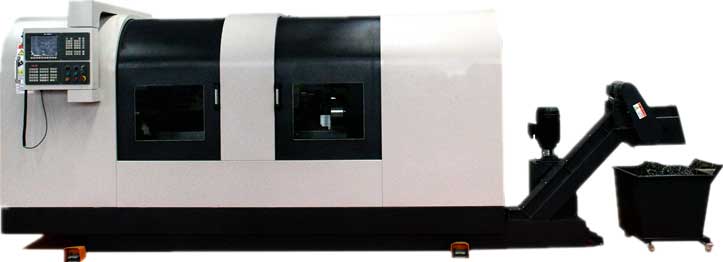
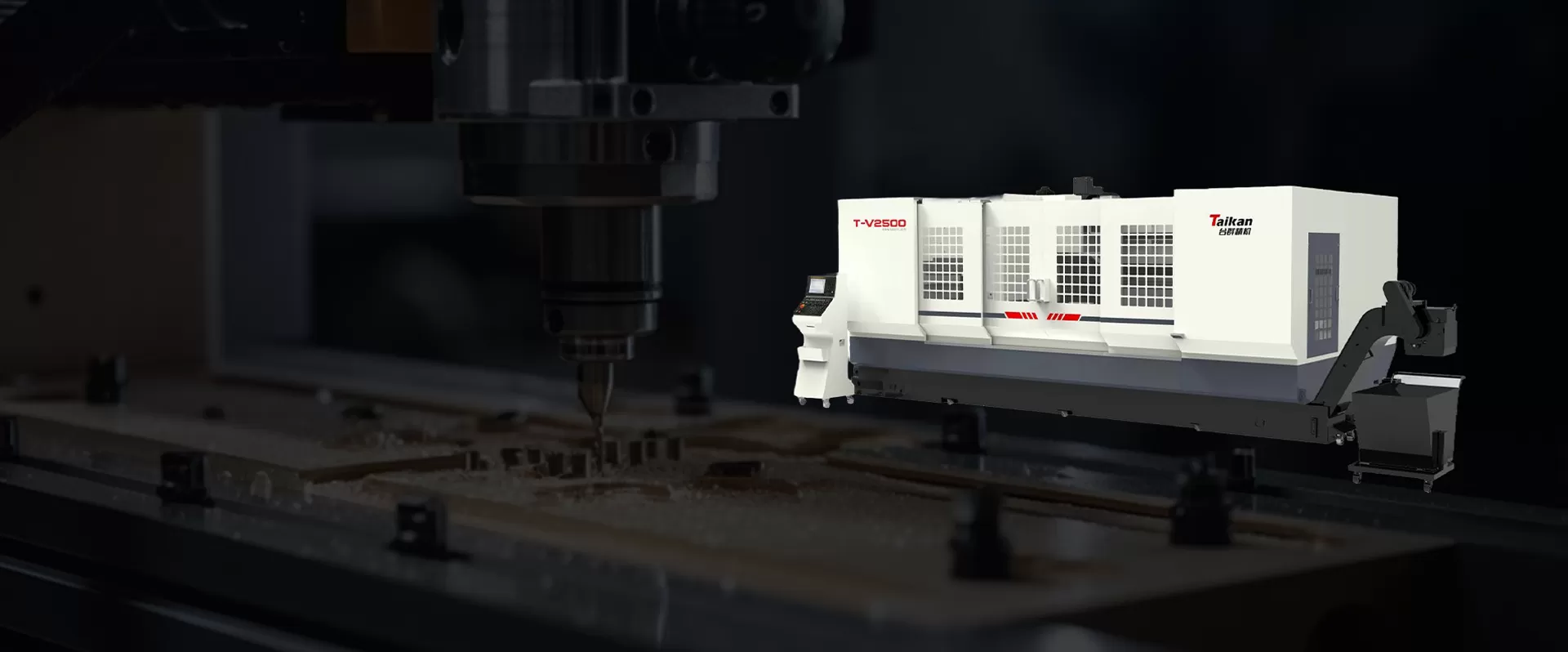
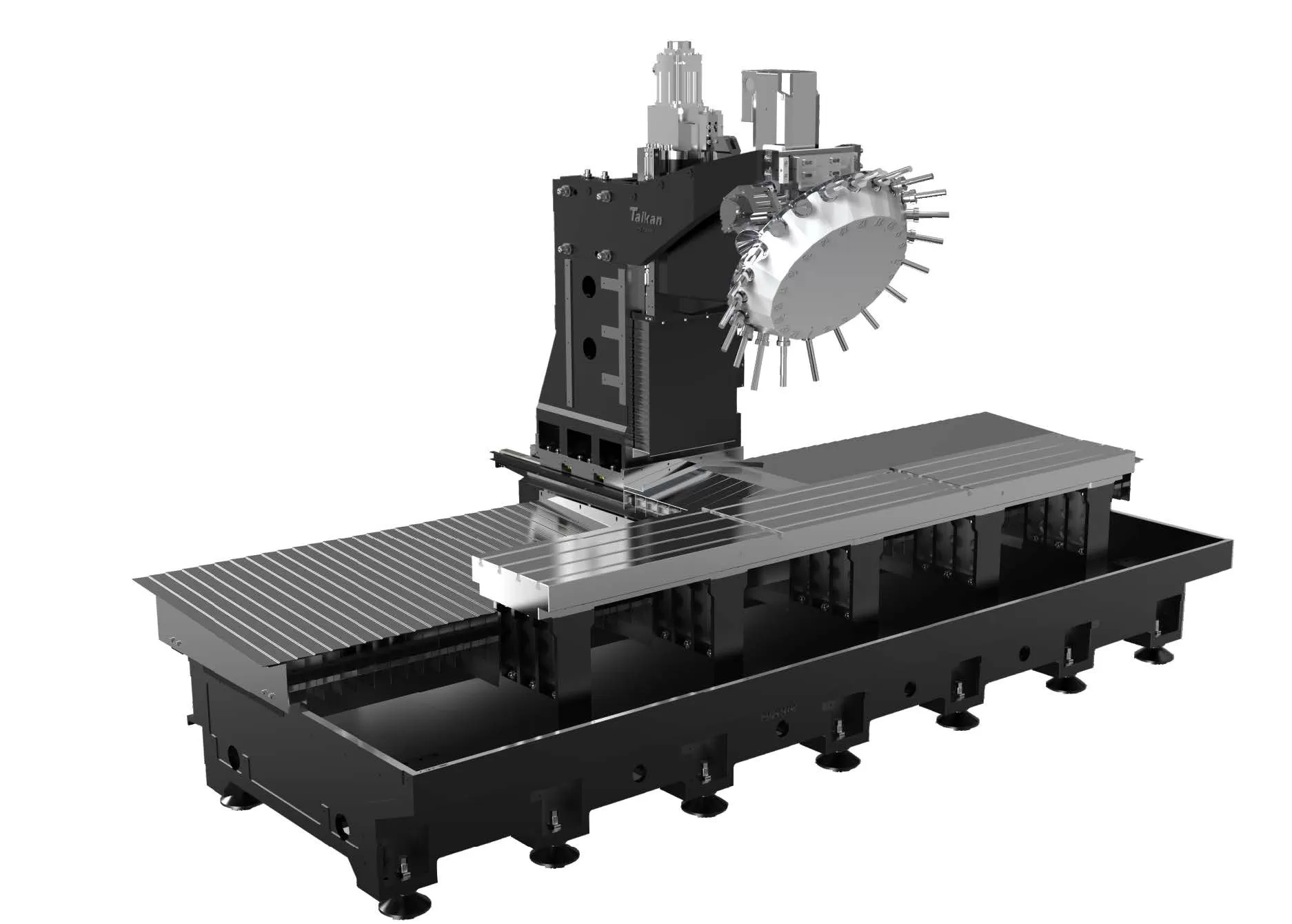
عند الاستثمار في معدات رأسمالية لتصنيع البثق والمكونات الهيكلية عالية القيمة، يمثل مركز تصنيع الماكينات الجانبية (PMC) محور إنتاج مهم للغاية. صُممت هذه الماكينات خصيصًا لتصنيع قطع العمل الطويلة والخطية - مثل قذف الألومنيوم وعوارض الصلب والملامح المركبة - حيث تسد الفجوة بين مراكز التفريز العامة وخطوط الإنتاج المخصصة. وخلافًا لماكينات ماكينات التفريز الآلي الافتراضي القياسية المقيدة بحجم الطاولة وحركة المحور Y، تستوعب ماكينات التفريز الآلي PMC قطع العمل التي يتجاوز طولها 6 أمتار مع الحفاظ على تفاوتات تفاوتات ضيقة على طول المظهر الجانبي بالكامل.
قبل إصدار أمر الشراء، يجب على فرق المشتريات ومهندسي التصنيع تقييم القرارات المعمارية التي تؤثر بشكل مباشر على جودة القطع وأوقات الدورات والمرونة التشغيلية طويلة الأجل. فيما يلي الركائز الفنية الثلاث التي يجب أن تهيمن على عملية تحديد المواصفات.
سرعة عمود الدوران وخصائص عزم الدوران
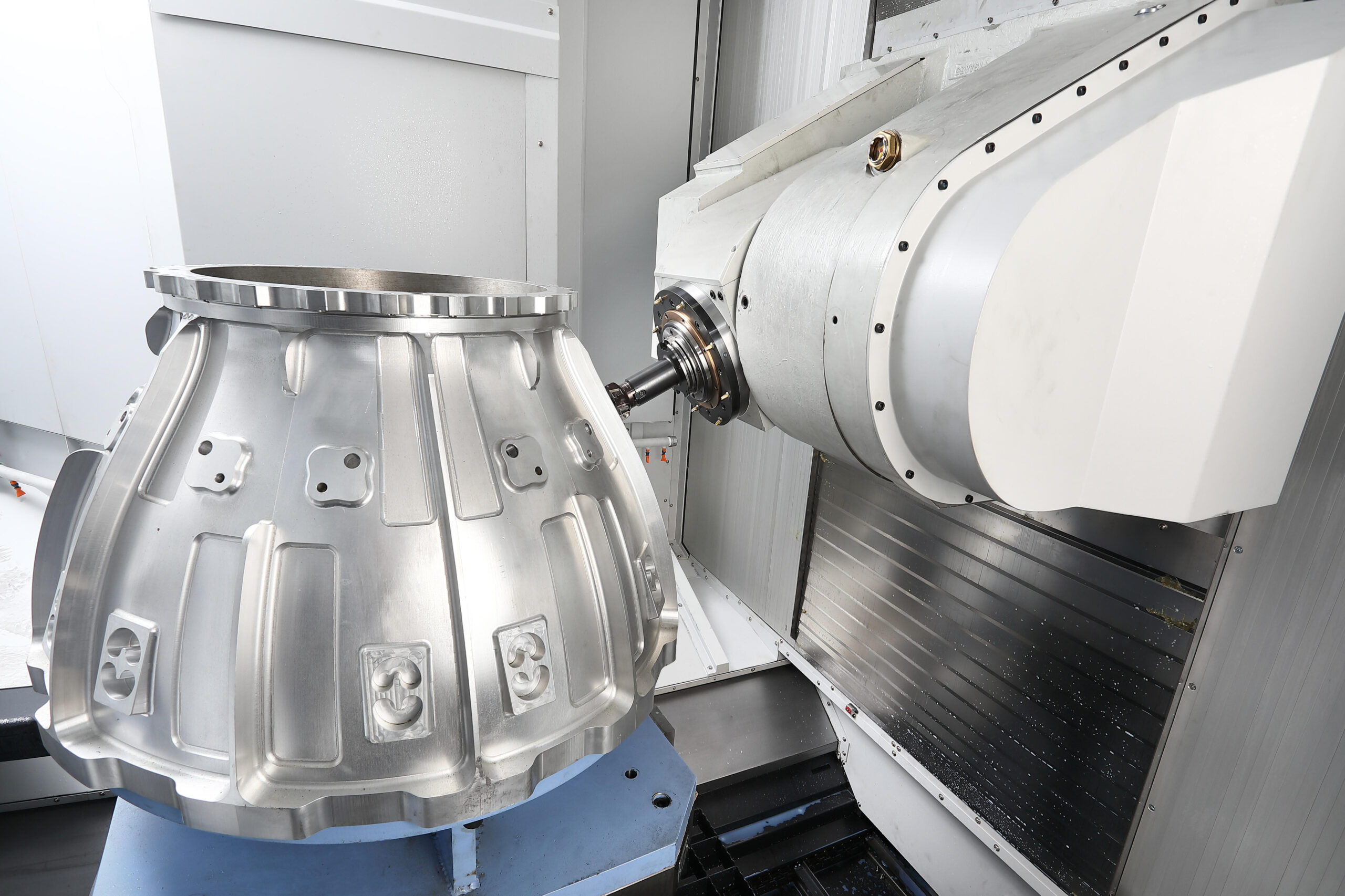
عمود الدوران هو آلية نقل الطاقة الأساسية في التصنيع الآلي للمقاطع الجانبية ويجب أن يتماشى منحنى الطاقة الخاص به مع مزيج المواد واستراتيجية الأدوات. بالنسبة للبثق الفضائي الجوي من الألومنيوم والملامح المعمارية غير الحديدية، تتيح أعمدة الدوران عالية السرعة (15,000-30,000 دورة في الدقيقة مع محامل السيراميك) معدلات إزالة المواد القوية باستخدام قواطع ذات قطر صغير مع معدلات تغذية عالية. ومع ذلك، إذا كان تطبيقك يتضمن مقاطع هيكلية من الفولاذ الثقيل أو مقاطع القضبان المصنوعة من التيتانيوم، فامنح الأولوية للمغازل عالية العزم (1,000-12,000 دورة في الدقيقة مع تصنيفات نيوتن متر عالية) التي تحافظ على قوة القطع عند عدد دورات في الدقيقة أقل دون توقف أثناء الشق كامل القطر.
تقييم نطاق طاقة ثابت لمحرك المغزل، وليس فقط معدلات الذروة. غالبًا ما تتضمن ماكينات التشكيل الجانبي أعماق قطع متغيرة على طول البثق؛ حيث يمنع المغزل ذو نطاق الطاقة الثابتة الواسعة الحاجة إلى تغييرات متعددة للأدوات أو تعديلات السرعة التي تؤدي إلى عقوبات زمن الدورة. بالإضافة إلى ذلك، ضع في اعتبارك خيارات المغزل المبرد بالسائل لتحقيق الاستقرار الحراري أثناء دورات العمل المستمرة، حيث يؤثر انجراف درجة الحرارة بشكل مباشر على استقامة المظهر الجانبي وصقل السطح على مدى تنقلات السرير الطويلة.
الصلابة الهيكلية: هندسة الأعمدة المتحركة مقابل هندسة الأعمدة المتحركة
يحدد الترتيب الحركي لإطار الماكينة الصلابة وإمكانية الوصول وكفاءة مساحة الأرضية - وهي عوامل تصبح حاسمة بشكل كبير مع زيادة طول قطعة العمل.
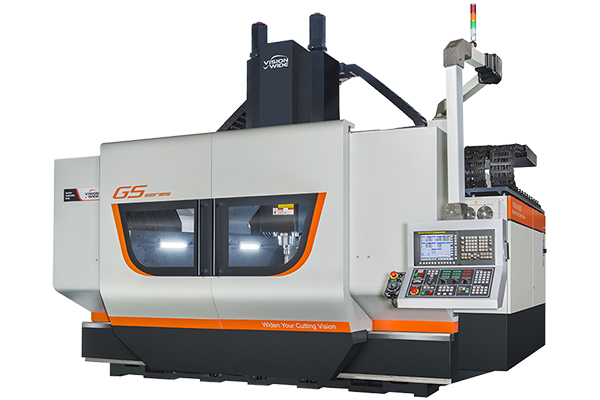
تكوينات على طراز القنطرية تتميز بطاولة عمل ثابتة مع جسر متحرك (قنطرة) يمر فوق الجزء. تتفوق هذه البنية في تطبيقات الأحمال الثقيلة للرقاقة وعند التصنيع الآلي للقطع غير المتماثلة التي تحفز قوى الالتواء. يوفر الدعم ثنائي الجوانب للعارضة الجسرية صلابة فائقة عبر كامل حركة المحور X، مما يقلل من الانحراف عند تصنيع الجيوب العميقة في البثق سميك الجدران. ومع ذلك، تتطلب أنظمة القنطرية العملاقة مساحة أرضية كبيرة وقد تحد من وصول المشغل للفحص في منتصف العملية أو إزالة الأزيز يدويًا.
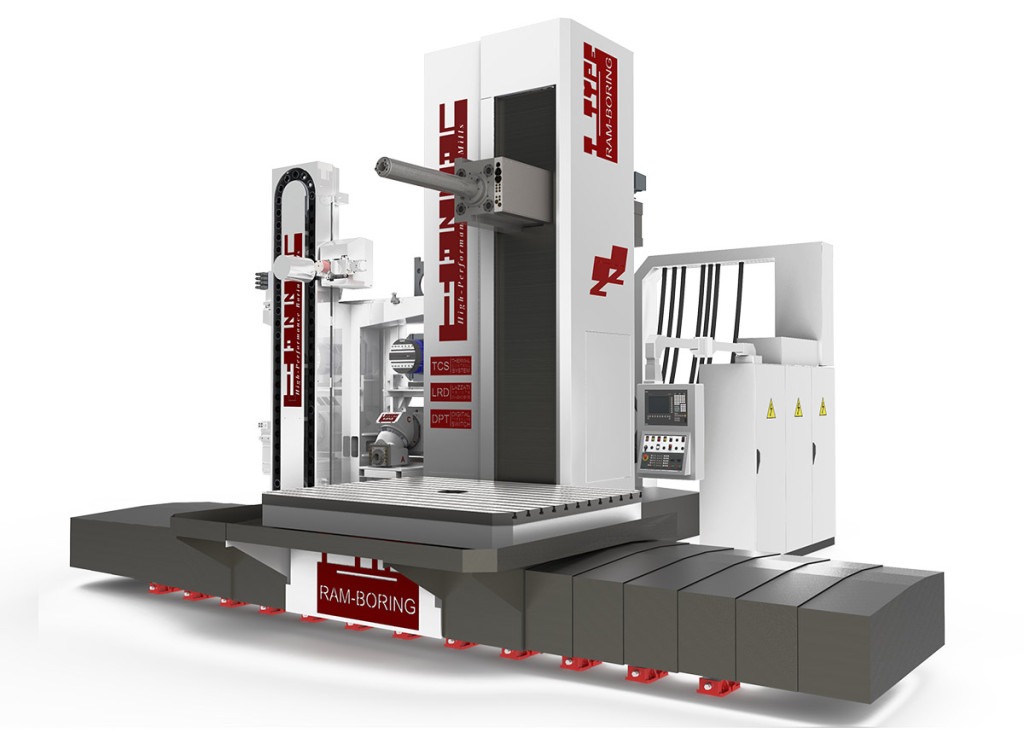
تصميمات الأعمدة المتحركة (تسمى أيضًا العمود المتحرك أو الماكينات من النوع الأرضي) تحافظ على ثبات قطعة العمل بينما تجتاز مجموعة العمود والمغزل على طول المظهر الجانبي. يوفر هذا التكوين سهولة وصول فائقة لتحميل القضبان الطويلة عبر الرافعات العلوية وعادةً ما يشغل مساحة أصغر. تكمن المفاضلة في تأثيرات الكابولي: حيث يمتد العمود إلى الأطراف البعيدة من
الخاتمة: اختيار شريك التصنيع الاستراتيجي الخاص بك
مع استمرار تطور سوق مراكز تصنيع الماكينات الجانبية نحو مزيد من الدقة والأتمتة والتعقيد متعدد المحاور، يصبح اختيار شريك التصنيع المناسب أمرًا بالغ الأهمية للحفاظ على الميزة التنافسية. في حين أن العديد من المزودين يملأون المشهد العالمي، فإن التمييز يكمن في تحديد المورد الذي يجمع بين الإتقان التقني وقدرات الإنتاج المرنة ومحافظ الخدمات الشاملة والكفاءة المثبتة من حيث التكلفة. بالنسبة للعمليات الصناعية التي لا تبحث عن مجرد معدات، بل عن امتداد حقيقي لقدراتها الهندسية، فإن الاختيار يتجاوز المواصفات ليشمل خبرة التخصيص وموثوقية سلسلة التوريد وإمكانية الشراكة طويلة الأجل.
ماكينات JHF: الحل الأول لتصنيع الماكينات الشخصية
من بين المتنافسين الرائدين في هذا المجال, ماكينات JHF تبرز ماكينات JHF كخيار رئيسي للمصنعين المميزين في جميع أنحاء العالم. وباعتبارها مُصنِّعًا ومورِّدًا محترفًا لماكينات بنظام التحكم الرقمي ومقرها الصين، فقد أثبتت JHF Machinery نفسها كمركز قوة في تقديم حلول تصنيع متطورة تسد الفجوة بين التكنولوجيا الأوروبية المتقدمة واقتصاديات التصنيع الآسيوية التنافسية.
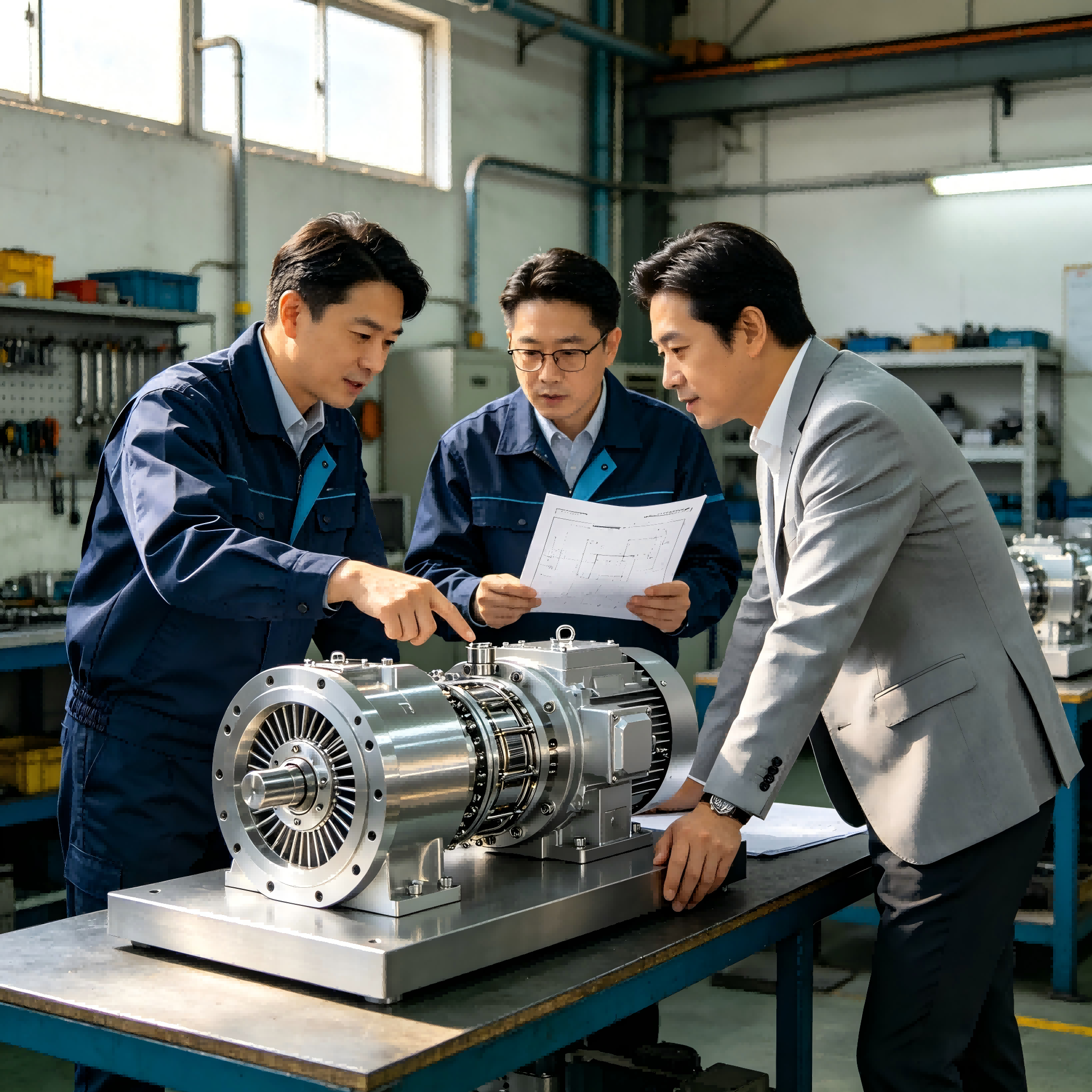
ما يميز ماكينات JHF هو تركيزها المتخصص على خدمات تصنيع المعدات الأصلية وتصنيع المعدات الأصلية مصممة خصيصًا للعملاء الصناعيين العالميين. وخلافًا لبائعي المعدات القياسية، تعمل JHF كشريك هندسي متعاون، حيث تعمل عن كثب مع العملاء لتطوير تكوينات تصنيع آلي مخصصة تعالج تحديات الإنتاج ومتطلبات المواد والقيود المكانية المحددة. تضمن هذه القدرة على التخصيص أنه سواء كنت تحتاج إلى حلول تصنيع آلي متخصصة للشفاه أو تكوينات معقدة متعددة المغازل، فإن معداتك يتم تحسينها لتناسب معايير التشغيل الدقيقة بدلاً من إجبار سير عملك على استيعاب الماكينات القياسية.
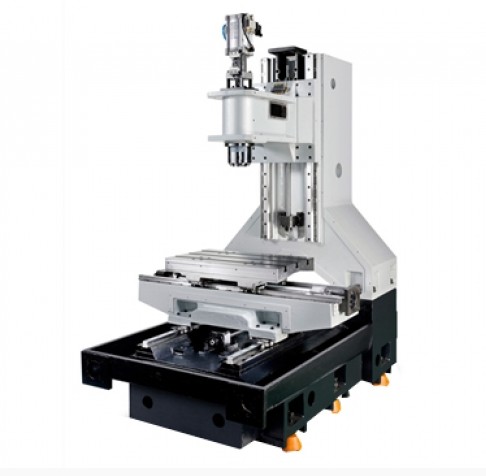
تجسّد مجموعة منتجات JHF Machinery الشاملة مجموعة منتجاتها الشاملة التوريد المتكامل ميزة التخلص من تعقيدات إدارة علاقات الموردين المتعددة. تشمل عروضهم مجموعة كاملة من تكنولوجيا الماكينات المتقدمة: مراكز الماكينات متعددة المغزل ومراكز الماكينات خماسية المحاور للمكونات المحددة المعقدة؛ ومراكز الماكينات الأفقية والجسرية للتطبيقات الشاقة؛ وماكينات ثقب الأعمدة المتحركة للأعمال الدقيقة واسعة النطاق؛ ومراكز الماكينات الجانبية المتخصصة والمقسمة؛ ومراكز الماكينات الخاصة للشفاه لاحتياجات صناعة الأنابيب والصمامات؛ ومراكز الماكينات الجسرية متعددة الرؤوس لزيادة الإنتاجية في تصنيع المكونات الهيكلية.
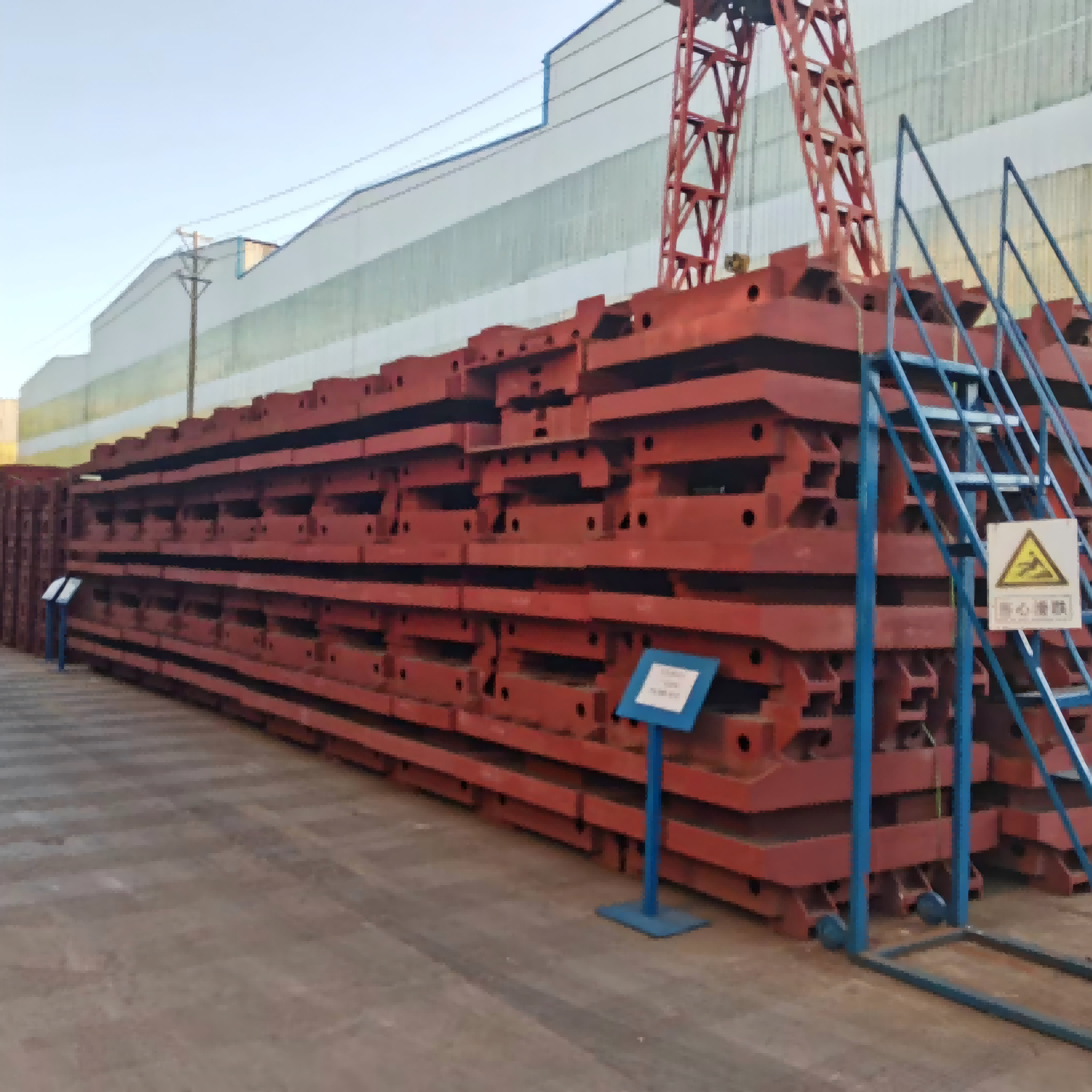
يضع هذا التكامل الرأسي - الذي يجمع بين الهندسة عالية الجودة والدقة العالية واقتصاديات الإنتاج الفعالة من حيث التكلفة - ماكينات JHF كحليف لا يقدر بثمن للمصنعين الذين يسعون إلى تحديث قدراتهم دون المساس بكفاءة رأس المال. تعمل قدرتها على تقديم كل شيء بدءًا من الوحدات الموحدة إلى أنظمة التصنيع الميكانيكية المخصصة بالكامل تحت سقف واحد على تبسيط عملية الشراء وضمان توافق المكونات وتبسيط دعم ما بعد البيع.
هل أنت مستعد لتحويل قدراتك التصنيعية؟
لا ترضى بالحلول الجاهزة عندما تتطلب متطلبات الإنتاج لديك شراكة مصممة بدقة. استفد من خبرة ماكينات JHF Machinery في تصنيع المعدات الأصلية/التصنيع حسب الطلب ومنصة التوريد الشاملة ذات المحطة الواحدة لتأمين تقنية التصنيع الآلي للقطع الجانبي الدقيقة التي تحتاجها عملياتك - التي يتم تقديمها بالجودة والدقة والقيمة التي تحقق عائد استثمار قابل للقياس.
**اتصل بماكينات JHF اليوم على info@jhfmachinery.com لطلب عرض الأسعار التفصيلي واكتشاف كيف يمكن لحلول التصنيع الآلي المخصصة لدينا