
Introduction: Navigating the Global Market for Moving Column Boring Machine
Sourcing moving column gantry boring machines capable of machining ultra-heavy components while maintaining precision tolerances requires navigating a complex landscape of technical specifications, regional compliance standards, and cross-border supplier verification protocols. For procurement teams across Africa, South America, the Middle East, and Europe—from emerging industrial hubs in Saudi Arabia to precision engineering centers in Germany—the challenge lies not merely in locating available equipment, but in securing capital investments that balance extreme load-bearing capacity, advanced CNC integration, and long-term operational reliability across fragmented global supply chains.
What Critical Factors Should Global Buyers Evaluate When Investing in Heavy-Duty Machining Centers?
This comprehensive guide dismantles the complexity of international machinery procurement by examining essential selection criteria tailored to diverse industrial contexts. We analyze structural configurations—from rigid fixed worktable designs supporting tens of tons to sophisticated gantry systems offering extensive X/Y/Z travel ranges—alongside sector-specific applications spanning aerospace, energy, automotive, and heavy construction industries. Detailed frameworks for supplier vetting address critical manufacturing certifications, rigidity testing protocols, automation compatibility, and post-installation technical support capabilities, while transparent cost analyses explore total ownership expenses beyond initial purchase price, including international logistics, customs compliance, and localized maintenance networks.
How Can Procurement Teams Across Diverse Markets Mitigate Capital Equipment Risks?
Whether optimizing production lines in São Paulo, expanding heavy fabrication capacity in Lagos, or upgrading precision facilities in Riyadh and Berlin, this resource empowers decision-makers with actionable intelligence to avoid costly specification mismatches and supplier fraud. By bridging the gap between complex technical requirements and regional market realities, we enable informed purchasing decisions that ensure your moving column boring machine investment delivers measurable ROI, operational continuity, and sustainable competitive advantage in your specific manufacturing environment.
Understanding Moving Column Boring Machine Types and Variations
| Type Name | Key Distinguishing Features | Primary B2B Applications | Brief Pros & Cons for Buyers |
|---|---|---|---|
| CNC Gantry-Type Moving Column (Fixed Table) | Rigid bridge structure with stationary worktable supporting 10+ tons; wide X/Y/Z axis travel; moving column traverses fixed bed | Aerospace structural components, heavy machinery beds, energy sector turbines, construction equipment frames | Pros: Exceptional rigidity for heavy cuts, stable workpiece clamping, high load capacity. Cons: Requires substantial floor space, limited workpiece mobility during machining |
| Floor-Type Moving Column | Column traverses floor-mounted linear guideways; workpiece positioned on floor or separate platforms; unlimited X-axis travel potential | Shipbuilding propellers, wind turbine nacelles, large molds and dies, railway bogies | Pros: Accommodates unlimited workpiece length, flexible setup for irregular shapes, scalable configuration. Cons: Higher foundation requirements, potential accuracy challenges over extreme distances |
| Planer-Type Moving Column | Dual-column support with crossbeam; optimized for longitudinal workpieces; high-precision linear motion systems with thermal stability | Machine tool beds, railway rails, large hydraulic cylinders, press frames | Pros: Superior accuracy over long spans, excellent chip evacuation, rigid construction. Cons: Limited to specific geometries, higher initial investment |
| Hybrid Moving Column with Rotary Tables | Moving column gantry integrated with rotary/tilting tables; 5-sided machining capability; multi-axis CNC control for complex angles | Complex valve bodies, pump housings, automotive press dies, precision gearboxes | Pros: Reduced setup times, complete machining in single clamping, versatile angular positioning. Cons: Complex maintenance requirements, higher skill requirements for operators |
Which Moving Column Configuration Suits Heavy-Duty Manufacturing?
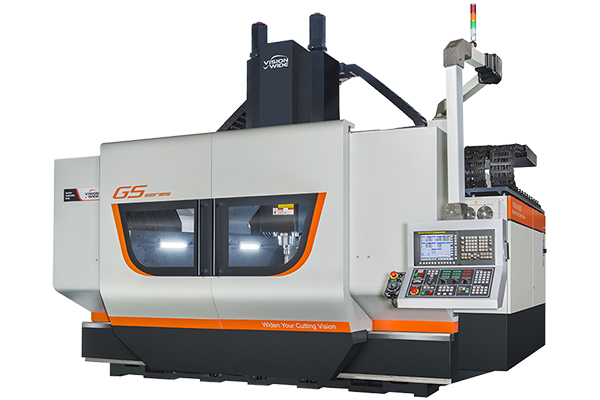
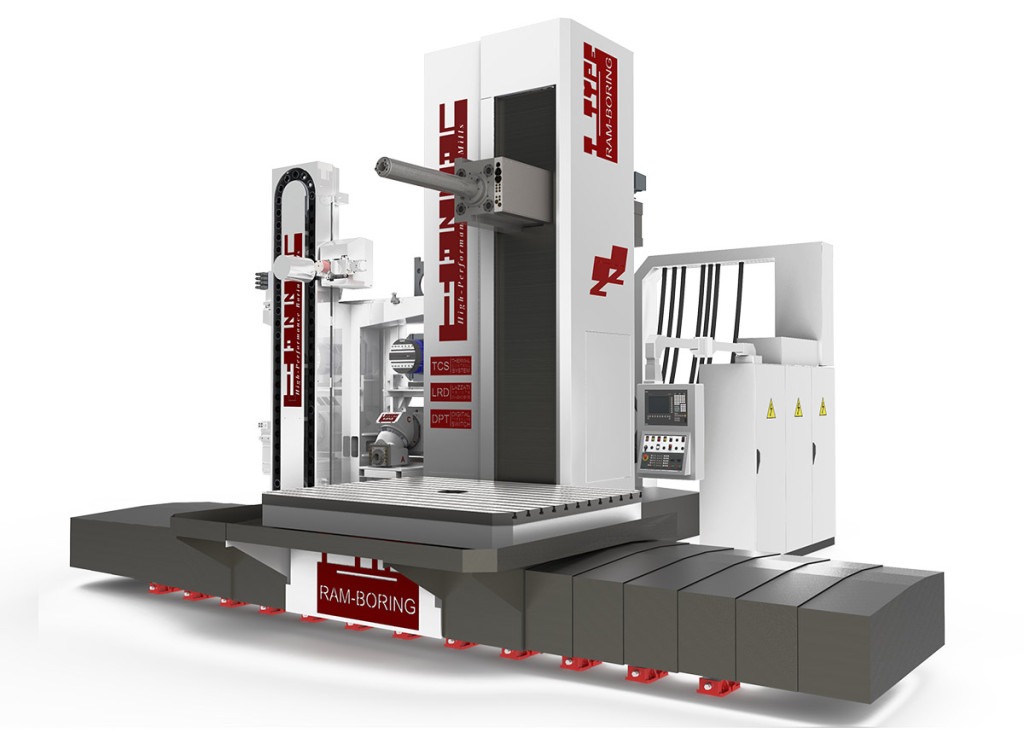
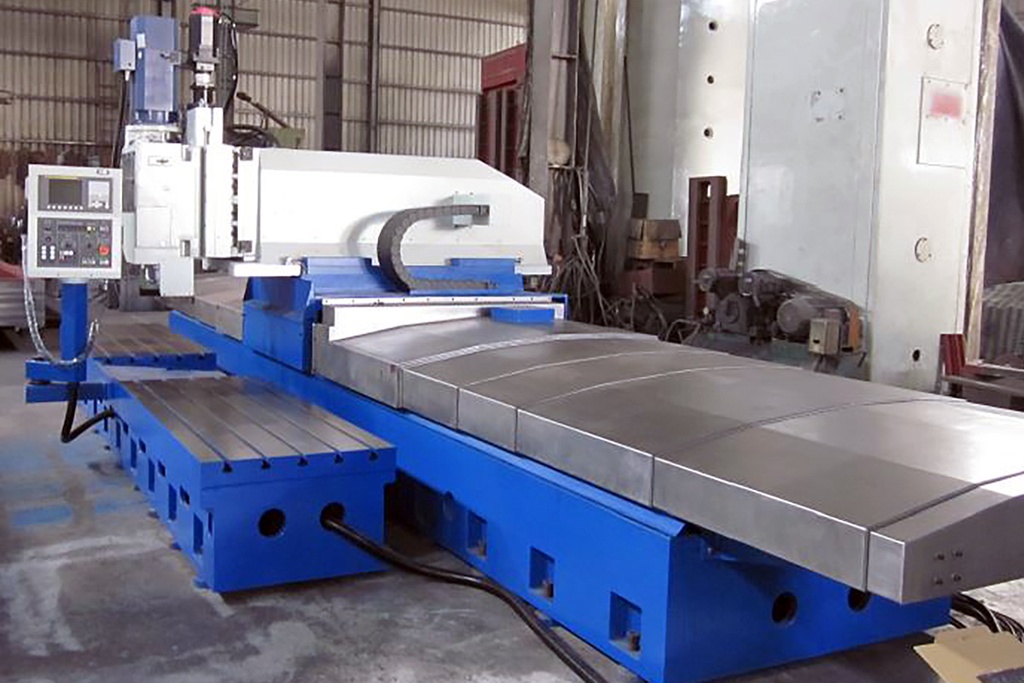
CNC gantry-type moving column machines feature a stationary worktable capable of supporting tens of tons, paired with a traversing column assembly that moves along precision linear guideways. This configuration delivers exceptional rigidity for heavy-duty cutting operations on ultra-large components such as aerospace structures and heavy equipment frames. B2B buyers should evaluate foundation requirements and verify table load capacities against specific workpiece weights. These machines excel in high-volume production environments where workpiece stability directly correlates with surface finish quality and dimensional accuracy. The fixed table design minimizes vibration transfer during aggressive material removal.
What Are the Advantages of Floor-Type Moving Column Machines for Large Components?
Floor-type configurations position the moving column directly on floor-mounted guideways, eliminating table size constraints and accommodating workpieces of unlimited length positioned on the shop floor or auxiliary platforms. This variation suits manufacturers processing single-piece or low-volume oversized components common in shipbuilding, wind energy, and heavy construction sectors. Purchasing considerations include assessing floor flatness specifications and linear scale feedback systems to maintain precision over extended travel distances. The open architecture facilitates crane loading for exceptionally heavy workpieces while reducing fixture complexity. However, buyers must account for potential thermal expansion effects on floor-mounted rails.
How Does Planer-Type Moving Column Technology Enhance Precision Machining?
Planer-type moving column machines utilize dual-column support structures with crossbeams, specifically optimized for longitudinal workpieces requiring high straightness tolerances across extended lengths. These systems combine the rigidity of traditional planer mills with modern CNC flexibility, making them ideal for machine tool bed manufacturing, railway rail processing, and large hydraulic cylinder production. Buyers should prioritize thermal stability features, guideway protection systems, and automatic tool changers when evaluating options. The design minimizes deflection during extended cutting passes, ensuring consistent accuracy across workpieces exceeding 10 meters in length while maintaining surface finish standards.
When Should Buyers Consider Hybrid Moving Column Systems with Rotary Capabilities?
Hybrid systems integrate moving column gantries with rotary indexing tables or trunnion setups, enabling 5-axis simultaneous machining and complete 5-sided processing without reclamping operations. This configuration addresses complex geometries in valve manufacturing, pump housing production, and precision mold sectors where angular features predominate. Key purchasing criteria include verifying rotary axis torque specifications, collision avoidance software capabilities, and compatibility with existing CAD/CAM systems. While offering superior flexibility and reduced setup times, these machines require comprehensive operator training and rigorous preventive maintenance protocols to maximize return on investment on multi-sided machining operations.
Key Industrial Applications of Moving Column Boring Machine
| Industry/Sector | Specific Application of Moving Column Boring Machine | Value/Benefit for the Business | Key Sourcing Considerations for this Application |
|---|---|---|---|
| Oil & Gas Equipment Manufacturing | Precision boring and milling of large valve bodies, wellhead components, and blowout preventers from high-strength alloys | Eliminates multiple setups for critical sealing surfaces; reduces lead times for infrastructure projects; ensures leak-proof precision in high-pressure environments | Thermal stability systems for desert climates; corrosion-resistant coatings; compliance with API/ASME standards; ISO-compatible |
A stock image related to Moving Column Boring Machine.
3 Common User Pain Points for ‘Moving Column Boring Machine’ & Their Solutions
How Can Manufacturers Maintain Micron-Level Precision Across Ultra-Long Workpieces?
The Problem: When machining aerospace frames or energy sector components that exceed 10 meters in length, the moving column’s extended X-axis travel introduces geometric variability. Thermal expansion of the gantry beam during prolonged cutting cycles, combined with potential bed deformation under asymmetric loading, causes taper errors and surface finish inconsistencies—particularly problematic at the extremes of the travel range where the column overhang increases.
The Solution: Specify machines equipped with closed-loop thermal compensation systems and linear scale feedback (1-micron resolution) rather than standard rotary encoders. Opt for a symmetric box-type column construction with double-wall ribbing to minimize torsional deflection. Additionally, verify that the machine features pre-tensioned ball screws and hydrostatic or linear guideway damping systems that maintain consistent preload across the entire stroke, ensuring that bore cylindricity remains within tolerance regardless of column position.
What Are the Most Efficient Methods for Loading Heavy Workpieces on Fixed Table Configurations?
The Problem: The stationary worktable design—while providing superior rigidity for heavy cutting—creates logistical constraints when handling workpieces weighing 20+ tons. Without integrated automation, operators face extended setup times, ergonomic safety risks during manual fixturing, and potential table surface damage from improper lifting procedures. This bottleneck becomes critical in high-mix, low-volume environments common in emerging manufacturing markets.
The Solution: Invest in machines compatible with modular floor plate extensions and automated pallet-based workpiece changing systems. Specify T-slot table configurations that accommodate standardized fixture bases, enabling offline presetting. For facilities without overhead crane capacity, request integration with hydraulic workpiece elevators or rail-guided shuttle systems that align with the fixed table height. This configuration transforms the fixed table from a constraint into a stable foundation for automated manufacturing cells.
How Do You Prevent Structural Deflection During Heavy-Duty Multi-Axis Operations?
The Problem: When performing aggressive roughing operations on hardened steel or cast iron components, the moving column’s cantilevered position—particularly at maximum Y-axis extension—can induce vibration and chatter. This compromises both tool life and surface integrity, especially when simultaneous five-side machining requires the spindle to reach across wide workpieces. The gantry structure must resist torsional forces while the column traverses at high feed rates.
The Solution: Prioritize machines with a closed-frame gantry design featuring pre-stressed, cast iron or polymer-composite beam construction that dampens harmonic vibration. Ensure the column utilizes twin linear guideways with wide span spacing to resist moment loads. Specify a spindle head with automatic thermal compensation and hydrostatic bearing support for heavy milling. For variable cutting conditions, select CNC systems with adaptive feedrate control that automatically adjusts based on spindle load monitoring, preventing deflection-induced tool breakage during deep cavity boring.
Strategic Material Selection Guide for Moving Column Boring Machine
Selecting the optimal construction material for a moving column boring machine directly influences rigidity, thermal stability, and long-term precision retention. Unlike standard machining centers, these systems must maintain accuracy while managing tens of tons of workpiece weight and extensive X/Y/Z axis travel. Understanding the metallurgical and composite options available enables procurement teams to align capital expenditure with operational demands, particularly when machining ultra-large components in varying environmental conditions across global manufacturing hubs.
How Does High-Grade Cast Iron Enhance Stability in Stationary Structures?
Gray cast iron (specifically grades HT300 or Meehanite) remains the industry standard for stationary machine bases and worktables in moving column boring machines. Its graphite microstructure provides exceptional vibration damping capacity—critical for maintaining surface finish during deep boring operations—while offering high compressive strength to support massive workpieces exceeding 20 tons. The material’s internal friction effectively absorbs cutting forces before they propagate to the foundation, ensuring dimensional accuracy over extended operational periods. However, its substantial weight increases inertia for moving components, and its thermal conductivity can lead to uneven expansion in climates with significant temperature fluctuations, requiring extended warm-up periods in facilities from Germany to Saudi Arabia.
Why Are Fabricated Steel Gantries Preferred for High-Dynamic Moving Columns?
Welded structural steel (typically Q345 or S355JR) dominates the construction of moving columns and gantry bridges, where strength-to-weight ratio directly impacts acceleration and positioning accuracy. Steel fabrication allows for complex hollow box structures that reduce moving mass by 30-40% compared to cast iron equivalents, enabling faster traverse speeds without compromising rigidity. The material’s isotropic properties provide consistent mechanical behavior in all directions, and damaged sections can be repaired via welding rather than full replacement, reducing long-term maintenance costs. The primary limitation involves poor vibration damping characteristics, often necessitating internal concrete filling or polymer composite inserts to suppress chatter during aggressive milling operations on hardened materials.
When Does Mineral Casting Become Essential for Thermal Stability?
Polymer concrete (epoxy granite) represents the premium choice for spindle housings and precision machine bases in high-accuracy moving column boring machines. With vibration damping coefficients ten times superior to cast
A stock image related to Moving Column Boring Machine.
In-depth Look: Manufacturing Processes and Quality Assurance for Moving Column Boring Machine
When investing in capital-intensive equipment like moving column boring machines, understanding the production methodologies and verification protocols behind your asset is as critical as evaluating technical specifications. For procurement teams in Riyadh, São Paulo, or Stuttgart, manufacturing transparency directly correlates with long-term operational reliability and total cost of ownership.
What Are the Critical Manufacturing Stages for Moving Column Boring Machines?
The production journey begins with high-grade cast iron or welded steel fabrication of the gantry frame and moving column. Premium manufacturers utilize resin-bonded sand casting or stress-relieved welded constructions to eliminate internal tensions that could compromise machining accuracy over decades of operation. Following rough machining, these massive components undergo artificial aging processes—typically vibration stress relief or natural aging for 12–24 months—to stabilize metallurgical structures before precision finishing.
Critical surfaces, particularly the linear guideways and ball screw mounting points, receive multi-stage machining on specialized CNC planer mills and guideway grinders. This ensures parallelism and perpendicularity tolerances within 0.01mm per meter, essential for maintaining geometric accuracy when processing multi-ton aerospace or energy sector components.
How Is Structural Rigidity Engineered Into the Production Process?
Rigidity in moving column architectures derives from integrated finite element analysis (FEA) during the design phase, but execution depends on manufacturing precision. The “moving column + fixed worktable” configuration requires perfect weight distribution calculations; manufacturers must machine the column base and saddle interfaces to ensure uniform load-bearing across the entire stroke length.
Thermal symmetry management represents another manufacturing priority. Production teams machine mating surfaces in climate-controlled environments (typically ±1°C variance) to prevent thermal distortion during final assembly. This precision prevents the micro-oscillations that plague inferior machines when handling interrupted cuts on cast iron or titanium workpieces.
Which Precision Assembly Techniques Define Quality Assurance?
Assembly of the linear motion system demands cleanroom-grade environments to prevent particulate contamination of ball screws and linear guideways. Technicians utilize torque-controlled fastening sequences for column-to-saddle connections, ensuring binding-free movement across the full X-axis travel. The spindle assembly—often the machine’s most dynamic component—undergoes dynamic balancing to ISO G2.5 or G1.0 standards, minimizing vibration during high-speed boring operations.
CNC integration requires meticulous servo motor alignment and backlash elimination in the drive systems. Quality-focused manufacturers conduct laser alignment verification of ball screw parallelism to the guideways, achieving positioning accuracies of ±0.005mm or better—critical for mold and die applications prevalent in German and Middle Eastern manufacturing sectors.
What Quality Control Protocols Validate Geometric Accuracy?
Pre-delivery quality assurance extends beyond basic dimensional checks. Comprehensive manufacturers employ laser interferometry for linear positioning accuracy verification across all axes, coupled with ball bar testing to assess circular interpolation and servo tuning. The spindle runout is verified using high-precision test bars and dial indicators, ensuring radial and axial runout remains below 0.003mm at the spindle nose.
Geometric accuracy inspections include straightness of column movement, squareness between axes, and parallelism of the spindle centerline to the Z-axis motion. These measurements follow ISO 230-2 or JIS B 6336 standards, providing universally recognized documentation that facilitates acceptance testing at your facility.
How Are Heavy-Duty Capabilities Verified Before Shipment?
Given that these machines routinely handle workpieces exceeding 50 tons, load testing forms a crucial QA component. Manufacturers simulate extreme cutting conditions using dynamometers to verify structural integrity under maximum torque and thrust loads. The fixed worktable—designed to remain stationary while the column traverses—undergoes deflection testing with calibrated weights to certify load-bearing capacity claims.
Thermal stability tests monitor spindle growth and axis expansion during continuous 8–12 hour operation cycles. This data validates the thermal compensation algorithms within the CNC controller, ensuring that Saudi Arabian or Brazilian facilities operating in variable ambient temperatures maintain consistent bore tolerances.
What Documentation and Compliance Standards Should International Buyers Demand?
For cross-border transactions, insist on CE-marked machinery complying with Machinery Directive 2006/42/EC, or equivalent UL/CSA certifications for North American destinations. Quality-conscious suppliers provide complete material certification traceability for castings and heat treatments, alongside geometric accuracy reports and spindle vibration analysis data.
Request Factory Acceptance Testing (FAT) protocols that include test cutting of actual material samples—preferably cast iron or steel representative of your production environment. This demonstrates real-world capability beyond theoretical specifications. Ensure the documentation package includes electrical schematics in your local language, maintenance schedules aligned with ISO 13350, and calibration certificates for all measurement equipment used during inspection.
By scrutinizing these manufacturing and quality assurance dimensions, procurement teams mitigate the risks associated with long-distance equipment sourcing while securing machinery capable of maintaining precision across decades of heavy-duty operation.
Practical Sourcing Guide: A Step-by-Step Checklist for ‘Moving Column Boring Machine’
Procuring a moving column boring machine represents a significant capital investment requiring careful technical evaluation and supplier due diligence. This checklist provides international buyers with a systematic framework to assess machine capabilities, verify vendor reliability, and ensure seamless integration into existing manufacturing operations.
What Technical Specifications Should You Prioritize When Sourcing a Moving Column Boring Machine?
Begin by documenting your maximum workpiece dimensions, weight, and material hardness to determine required table load capacity and axis travel ranges. Verify that the X, Y, and Z axis travels accommodate your largest components with adequate clearance for tooling operations. Confirm spindle power, torque characteristics, and speed ranges match your intended applications—whether heavy roughing or precision finishing—while ensuring the fixed worktable design supports loads exceeding tens of tons without deflection.
How Do You Assess the Gantry Structure and Rigidity for Heavy-Duty Machining?
Examine the column and beam construction materials, prioritizing heavy-duty cast iron or welded steel structures with finite element analysis (FEA) optimization for vibration damping. Inspect the linear guideway and ball screw configurations, as these components directly influence positioning accuracy during extended machining cycles. Request documentation on static and dynamic rigidity tests, particularly for markets like Germany or Saudi Arabia where precision standards are stringent and thermal stability is critical.
Which CNC Control Features Are Essential for Moving Column Gantry Machining Centers?
Evaluate controller compatibility with your existing CAM software and operator skill levels, considering industry-standard platforms like Siemens, Fanuc, or Heidenhain. Assess the machine’s Industry 4.0 readiness, including Ethernet connectivity for remote diagnostics and data collection capabilities. For buyers in South America and Africa, prioritize systems offering multi-language support and offline programming options to minimize downtime during complex setup procedures.
How Can International Buyers Verify Machine Tool Suppliers and After-Sales Support?
Conduct virtual or in-person factory audits focusing on manufacturing processes, quality control protocols, and assembly procedures. Request reference contacts from similar industries in your region—particularly for buyers in the Middle East and Europe—to verify long-term performance and spare parts availability. Confirm the supplier maintains regional service centers or authorized technical partners capable of providing rapid response for critical component failures and preventive maintenance.
What Certifications Should Your Moving Column Boring Machine Meet for International Markets?
Ensure compliance with destination-specific safety and quality standards, including CE marking for European markets, OSHA guidelines for American operations, or local electrical safety certifications. Verify electromagnetic compatibility (EMC) testing documentation and machine tool directive conformity. For German industrial buyers, confirm adherence to VDI/DGQ precision standards, while Saudi Arabian facilities may require additional documentation for customs clearance and industrial authority registration.
What Infrastructure Should You Prepare for Installation and Commissioning?
Survey your facility’s foundation requirements, as moving column gantry machines demand vibration-isolated concrete pads capable of supporting distributed loads. Coordinate overhead crane capacity for machine assembly and future maintenance operations. Plan for three-phase power supply specifications and compressed air requirements. Negotiate comprehensive training packages covering operation, maintenance, and troubleshooting to maximize equipment utilization from initial startup.
A stock image related to Moving Column Boring Machine.
Comprehensive Cost and Pricing Analysis for Moving Column Boring Machine Sourcing
Moving column boring machines represent substantial capital investments where unit pricing typically spans from $200,000 for standard configurations to over $1.2 million for customized, high-automation systems. For procurement teams across Africa, South America, the Middle East, and Europe, understanding the nuanced cost architecture—from base machine specifications to regional logistics complexities—is essential for accurate budget forecasting and supplier negotiation strategies.
What Are the Primary Cost Drivers for Moving Column Boring Machines?
The fundamental pricing structure correlates directly with machining envelope capabilities and structural rigidity requirements. Machines featuring extended X-axis travels exceeding 4 meters with fixed worktables rated for 20+ ton payloads command significant premiums due to reinforced cast iron gantry frames and heavy-duty linear guideway systems. Spindle configuration represents another major variable, with high-torque mechanical spindles (800-1,500 Nm) for heavy-duty boring adding 15-25% compared to standard milling configurations, while high-speed electro-spindles introduce different cost premiums based on maximum RPM ratings and thermal management systems.
How Do CNC Control Systems and Automation Features Impact Final Pricing?
Control architecture selection significantly influences investment levels, with premium European CNC systems (Siemens 840D sl, Heidenhain TNC 640) typically adding $20,000-$60,000 to base configurations compared to domestic Chinese alternatives. Automation integrations—including 40+ station automatic tool changers, robotic workpiece loading systems, and Industry 4.0 predictive maintenance modules—can elevate initial costs by 25-45%. However, for high-volume manufacturing environments, these additions frequently deliver ROI within 18-24 months through reduced labor dependencies and increased spindle utilization rates exceeding 85%.
What Hidden Costs Should International Buyers Factor Into Their Sourcing Budget?
Beyond standard FOB quotations, procurement teams must account for specialized logistics requirements, as these machines often necessitate flat-rack container shipping or break-bulk cargo arrangements, adding $8,000-$25,000 to freight costs. Import duty structures vary dramatically by region—ranging from 0% within EU trade zones to 5-15% in Middle Eastern and African markets—while foundation preparation, including anti-vibration mounting systems, typically requires $5,000-$15,000 in civil works. Factory-supervised installation and geometric accuracy commissioning, essential for warranty validation, generally represents 4-6% of machine value.
How Can Buyers Optimize Total Cost of Ownership Across Different Regions?
Strategic sourcing decisions should balance initial acquisition costs against long-term operational expenditures. Established Chinese manufacturers offer 35-50% price advantages over German or Italian counterparts while maintaining CE certification and ISO quality standards. However, buyers should prioritize suppliers with regional service partnerships to minimize downtime costs. Negotiating comprehensive maintenance contracts during initial procurement—covering spindle bearing replacements and ball screw inspections—typically yields 12-18% savings compared to reactive service models. Additionally, specifying standardized control interfaces facilitates operator mobility across machine parks, reducing future training investments.
By systematically evaluating these cost dimensions—from structural specifications and control architectures to regional logistics and lifecycle maintenance—procurement professionals can develop robust financial models that optimize both immediate capital allocation and long-term manufacturing efficiency, ensuring maximum value realization from their moving column boring machine investment.
Alternatives Analysis: Comparing Moving Column Boring Machine With Other Solutions
Selecting the optimal large-scale machining solution requires evaluating how different architectures align with your facility infrastructure, workpiece characteristics, and production economics. While moving column boring machines offer distinct advantages for ultra-heavy components, alternative configurations may deliver superior value depending on specific operational constraints and regional infrastructure capabilities. Understanding these distinctions enables procurement teams to balance initial capital expenditure against long-term operational flexibility, particularly when machining components for energy, aerospace, and heavy construction sectors across diverse international markets.
| Comparison Aspect | ماكينة حفر الأعمدة المتحركة | Fixed Column Horizontal Boring Mill | Floor-Type Boring and Milling Machine |
|---|---|---|---|
| Workpiece Capacity | Tens of tons; optimized for ultra-large, complex geometries with fixed table stability | Heavy components limited by table dimensions, travel, and rotary weight capacity | Unlimited scale; accommodates irregular shapes and extreme dimensions on floor plates |
| Performance & Precision | High rigidity with fixed worktable eliminating inertia variables during heavy cutting | Excellent repeatability for batch production; moving table introduces slight positional variance | Moderate precision; highly dependent on foundation stability, thermal management, and setup time |
| Total Cost of Ownership | Mid-to-high investment; strong ROI for diversified large-part manufacturers | Lower initial cost; reduced infrastructure and maintenance requirements | High upfront cost with significant civil engineering expenses for foundation preparation |
| Implementation Complexity | Moderate; requires precision leveling but utilizes standard industrial foundations | Straightforward installation; minimal site preparation and faster commissioning | Complex; demands extensive foundation work, vibration dampening, and thermal stabilization |
| Ideal Applications | Precision machining of large molds, frames, and complex energy sector components | High-volume production of medium-heavy industrial parts and standardized valve bodies | Wind turbine bases, marine engines, and oversized structural elements requiring crane access |
When Should Manufacturers Choose Fixed Column Horizontal Boring Mills Over Moving Column Designs?
Fixed column horizontal boring mills represent the traditional approach where the spindle head remains stationary while the workpiece traverses on a precision rotary table. This configuration typically requires lower initial capital investment and offers simpler installation logistics, making it particularly attractive for emerging manufacturing markets in Africa and South America with developing industrial infrastructure. However, the moving table architecture introduces inertia variables that can compromise surface finish consistency when machining ultra-heavy components, and workpiece dimensions remain strictly constrained by table travel limits. These systems excel in high-volume production environments processing medium-sized heavy components—such as industrial gearboxes and pump housings—where setup consistency outweighs the requirement for accommodating massive, irregular workpieces.
Are Floor-Type Boring Machines More Suitable for Extreme-Scale Manufacturing Than Moving Column Systems?
Floor-type boring machines eliminate traditional table constraints by allowing direct mounting of workpieces onto foundation-level floor plates, theoretically offering unlimited Y-axis travel for components like wind turbine nacelle frames and ship engine blocks. While this architecture accommodates the largest possible workpieces common in Middle Eastern energy sectors and European heavy engineering, it demands significant civil engineering investment including precision-ground foundations and advanced thermal management systems to maintain accuracy. The open configuration facilitates crane access for irregularly shaped components but sacrifices the enclosed rigidity and automated chip evacuation efficiency inherent in moving column gantry designs. Consequently, floor-type solutions suit specialized manufacturers handling extremely low-volume, massive one-off components rather than diversified precision machining operations.
Essential Technical Properties and Trade Terminology for Moving Column Boring Machine
When evaluating moving column boring machines for large-scale manufacturing operations, understanding the technical specifications and industry nomenclature is essential for making informed procurement decisions. These machines represent significant capital investments, particularly for heavy machinery manufacturers in markets like Germany, Saudi Arabia, and Brazil. The following specifications and trade terms will help procurement teams align machine capabilities with production requirements.
What Are the Critical Technical Specifications for Heavy-Duty Moving Column Boring Machines?
Column Traverse Distance (X-Axis Stroke)
The longitudinal travel of the moving column determines the maximum workpiece width your facility can process. For heavy machinery manufacturers targeting oil and gas or aerospace sectors, stroke lengths exceeding 4,000mm accommodate ultra-wide components without repositioning. Verify whether the specification refers to actual cutting travel or total mechanical travel, as this impacts fixture planning and setup time.
Static and Dynamic Table Load Capacity
Unlike conventional machining centers, moving column designs feature stationary tables capable of supporting tens of metric tons. Static load ratings indicate maximum weight during setup, while dynamic load capacity reflects permissible mass during high-velocity axis movements. For buyers handling large cast iron components, ensure the dynamic rating accommodates your heaviest workpieces plus fixture weight to prevent servo overload alarms during rapid traverse.
Spindle Power Density and Torque Characteristics
Heavy-duty boring operations require high-torque spindles ranging from 30kW to 80kW with torque ratings exceeding 2,000Nm for ferrous metal removal. Look for gear-driven or direct-drive spindle configurations that maintain constant torque across low RPM ranges essential for large-diameter boring. This specification directly impacts metal removal rates in difficult-to-machine materials common in energy sector applications.
Positional Accuracy and Repeatability
Precision metrics typically expressed in microns (μm) determine final component quality. Positioning accuracy of ±0.005mm/300mm and repeatability of ±0.003mm indicate capability for precision aerospace or automotive dies. Verify whether specifications include linear scale feedback systems like Heidenhain or Renishaw encoders rather than motor-mounted rotary encoders, as this affects thermal stability during extended operations.
Gantry Structural Rigidity and Damping
The bridge-like gantry structure must exhibit high static stiffness (measured in N/μm) to resist deformation during heavy cuts. Cast iron or polymer concrete constructions with ribbed reinforcement minimize vibration during interrupted cuts on welded fabrications. This property is critical when machining construction equipment components where chatter marks compromise surface integrity.
What Industry Terminology Should Buyers Understand When Sourcing Moving Column Boring Mills?
“Fixed Table, Moving Column” Architecture
This configuration distinguishes the machine from traditional moving table designs. The workpiece remains stationary while the gantry column traverses along X-axis guideways, providing superior stability for irregularly shaped heavy components that would be difficult to move. This architecture eliminates table overhang issues common in large-part machining.
Gantry Bridge Span
Refers to the distance between the two vertical columns forming the bridge structure. Wider spans accommodate larger workpieces but require thicker crossbeams to maintain rigidity. Buyers should match span specifications to their largest anticipated component width plus fixture clearance, particularly when processing wind turbine nacelles or large pump housings.
CNC Control Architecture and Post-Processor Compatibility
Terms like Fanuc 31i-B5, Siemens 840D sl, or Heidenhain TNC 640 refer to the control systems governing multi-axis interpolation. Ensure your CAM software post-processors support the specific control architecture to avoid costly programming modifications during implementation. This compatibility determines whether complex contouring operations require manual G-code adjustments.
Automatic Tool Changer (ATC) Magazine Configuration
Chain-type versus drum-type magazines offer different tool capacities (typically 40-120 tools). “Tool-to-tool” change time specifications indicate productivity during complex operations requiring multiple cutters for roughing, semi-finishing, and finishing passes. For unmanned operation, verify magazine capacity supports complete part programs without manual tool loading.
Full Enclosure with Chip Management Systems
“Chip-to-chip” time includes automatic tool changing and part cleaning cycles. Integrated chip conveyors and high-pressure coolant systems (70+ bar) are essential specifications for unattended operation in high-volume production environments. This terminology indicates the machine’s readiness for lights-out manufacturing scenarios.
C-Axis Spindle Orientation
This term indicates the spindle’s ability to rotate as a rotary axis, enabling angular positioning for compound angle boring and milling without manual fixture repositioning. Essential for five-sided machining of complex valve bodies or pump housings, C-axis capability reduces setup times by eliminating multiple clamping operations.
Navigating Market Dynamics and Sourcing Trends in the Moving Column Boring Machine Sector
What Are the Current Market Dynamics Shaping Demand for Moving Column Boring Machines?
Global infrastructure revitalization and heavy industrial expansion are driving unprecedented demand for high-capacity machining solutions capable of processing ultra-large components. In the Middle East—particularly within Saudi Arabia’s giga-project developments and industrial diversification initiatives—buyers require systems that accommodate massive structural steel and energy sector workpieces. Similarly, Africa’s mining equipment manufacturing sector and South America’s hydroelectric turbine production demand machinery with substantial load-bearing capacity. European markets, led by Germany’s precision engineering sector, continue emphasizing micron-level accuracy for aerospace and automotive applications, creating a bifurcated market that values both heavy-duty rigidity and high-precision finishing.
The moving column gantry configuration—characterized by a stationary worktable and traversing column assembly—has emerged as the dominant architecture across these diverse regional requirements. This design eliminates the kinematic limitations and weight restrictions inherent in moving-table configurations, enabling the processing of workpieces exceeding tens of tons without compromising geometric accuracy. Market intelligence indicates a decisive industry shift toward hybrid machining centers that consolidate boring, milling, drilling, and tapping operations within single clamping setups. This convergence reduces workpiece handling time, minimizes cumulative positioning errors, and significantly improves throughput for manufacturers managing complex, heavy-duty components in sectors ranging from construction machinery to renewable energy infrastructure.
Which Technological Advancements Are Defining Next-Generation Gantry Systems?
Contemporary moving column boring machines are evolving from standalone CNC equipment into integrated smart manufacturing nodes optimized for Industry 4.0 environments. Advanced CNC controllers now feature adaptive feed rate control and real-time tool path optimization algorithms, essential for maintaining surface integrity when machining heterogeneous materials common in heavy fabrication. The mechanical architecture has similarly advanced, with precision-ground linear guideways and pre-tensioned ball screw assemblies enabling nanometer-level positioning repeatability despite the substantial mass of moving column assemblies.
Automation compatibility represents a critical procurement criterion for B2B buyers seeking operational scalability. Modern systems incorporate standardized pallet interfaces and Ethernet-based communication protocols that facilitate seamless integration with robotic loading systems and automated guided vehicles (AGVs). This interoperability proves particularly valuable for high-volume production environments in automotive and heavy machinery manufacturing, where minimizing spindle idle time directly correlates with profitability. Furthermore, condition monitoring systems utilizing IoT sensor arrays now track spindle bearing temperatures, axis drive motor loads, and structural vibration patterns in real-time, enabling predictive maintenance strategies that extend machine longevity and prevent catastrophic failures during critical production runs.
How Can International Buyers Ensure Sustainable and Ethical Sourcing of Large-Scale Machining Centers?
Sustainability in heavy machinery procurement extends beyond operational energy efficiency to encompass manufacturing ethics and total lifecycle environmental impact. While moving column boring machines inherently consume significant power during heavy-stock removal, leading manufacturers now incorporate regenerative drive systems that return braking energy to the grid and intelligent standby modes that reduce idle consumption by up to 40%. The intrinsic durability of properly engineered gantry structures—typically fabricated from high-grade cast iron or welded steel with stress-relieving treatments—represents a fundamental sustainability advantage, as machines maintaining geometric precision over 20+ years reduce the resource intensity associated with premature replacement.
Ethical sourcing requires comprehensive supply chain verification, particularly when engaging with international OEMs. B2B procurement teams should mandate compliance documentation for ISO 14001 environmental management systems and SA8000 social accountability standards, ensuring responsible labor practices and waste management throughout production. For buyers operating in Africa, South America, the Middle East, and Europe, evaluating a supplier’s multilingual technical support infrastructure—including the availability of operation manuals, CNC programming interfaces, and safety documentation in Arabic, German, Spanish, Portuguese, and French—serves as a proxy for their commitment to long-term partnership quality. Additionally, assessing regional spare parts stocking strategies and localized service technician availability minimizes the carbon footprint associated with emergency air freight and international travel for repairs, aligning procurement decisions with corporate sustainability mandates while ensuring operational continuity.
Frequently Asked Questions (FAQs) for B2B Buyers of Moving Column Boring Machine
What is the difference between a moving column boring machine and a floor type boring machine?
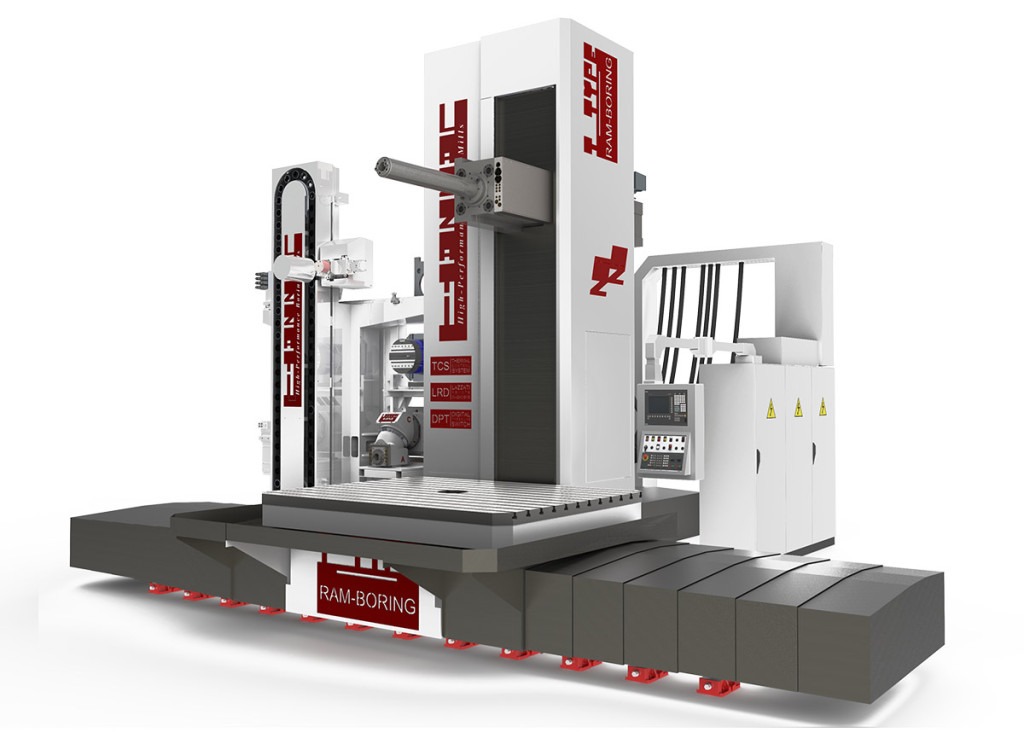
The fundamental distinction centers on which element traverses during machining operations. Moving column machines utilize a stationary worktable capable of supporting tens of tons while the gantry-mounted column moves along the X-axis, eliminating inertial challenges associated with repositioning massive workpieces. Floor-type configurations, conversely, employ a fixed column with a traversing worktable, which restricts workpiece weight capacity and demands substantial floor space for table movement. For manufacturers processing ultra-large aerospace structures or heavy industrial molds, the moving column architecture provides superior accessibility for crane loading and maintains consistent geometric accuracy regardless of workpiece mass.
What are the main applications of moving column boring machines in heavy manufacturing?
These machines dominate sectors requiring precision machining of oversized components that exceed conventional machining center capacities. Primary applications include wind turbine nacelles, construction equipment frames, large hydraulic press components, and complex injection molds requiring five-face processing in single setups. The robust gantry structure accommodates ultra-long and ultra-wide workpieces common in energy sector infrastructure and heavy transport manufacturing. Industries across Germany, Saudi Arabia, and emerging markets in Africa and South America particularly utilize these systems for high-value-added components where setup efficiency directly impacts project profitability.
What specifications should I look for when purchasing a CNC moving column boring machine?
Prioritize axis travel ranges exceeding your largest workpiece dimensions by at least 20 percent to ensure adequate tooling clearance and accessibility. Verify that the table load capacity matches your heaviest components—quality machines support tens of tons—while confirming spindle power and torque ratings accommodate your roughing requirements. Examine the linear guideways and ball screw systems, as these precision components determine long-term positioning accuracy and repeatability. Additionally, ensure compatibility with advanced CNC controllers such as Siemens or Fanuc, and confirm the presence of automation interfaces for future integration with robotic tool changers and pallet systems.
Which manufacturers produce the most accurate moving column horizontal boring machines?
Accuracy depends primarily on engineering standards, thermal management systems, and component sourcing rather than geographic origin alone. European manufacturers, particularly German and Italian firms, traditionally lead in ultra-high-precision applications featuring advanced thermal compensation and vibration damping technologies. However, reputable Asian manufacturers now offer CE-certified machines with comparable static and dynamic stiffness, often incorporating Japanese or German control systems at competitive price points. When sourcing, evaluate the manufacturer’s ISO 9001 certification, local service network presence in your target region, and their capability to provide application engineering support and spare parts availability within acceptable lead times.
How can I evaluate machine rigidity for heavy-duty machining operations?
Assess the gantry construction methodology, prioritizing high-grade cast iron or stress-relieved welded steel structures that provide optimal vibration dampening during interrupted cuts. Request specific technical data regarding static and dynamic stiffness coefficients, particularly along the Z-axis where cutting forces concentrate during deep boring operations. Investigate whether the manufacturer employs thermal stability systems, such as cooled ball screws or real-time temperature sensors, to maintain precision during extended heavy-cutting cycles. Finally, verify that the linear guideways and drive motors are appropriately oversized for the stated load capacities, as undersized mechanical components will compromise surface finish quality and tool life under aggressive chip loads.
What automation capabilities should I consider for Industry 4.0 integration?
Prioritize machines equipped with Ethernet-based CNC architectures supporting MTConnect or OPC-UA protocols for seamless data exchange with factory MES and ERP systems. Evaluate automatic head-changing systems and robotic tool changers that enable unattended operation during off-shifts, significantly improving capital equipment utilization rates. Remote diagnostic capabilities prove essential for international operations, allowing manufacturers to troubleshoot alarms, update parameters, and optimize cutting strategies without costly on-site service visits. Additionally, ensure the control system supports advanced CAD/CAM integration with digital twin simulation capabilities to reduce setup times and prevent collisions when machining complex geometries.
How do I calculate ROI when investing in moving column technology for emerging markets?
Calculate total cost of ownership by factoring import duties, foundation preparation requirements, and localized operator training against quantifiable productivity gains and labor cost savings. Moving column technology typically reduces setup times by 40-60 percent compared to traditional methods by eliminating multiple repositioning sequences of heavy workpieces, directly improving project turnaround capabilities. For manufacturers in Africa, South America, and the Middle East, consider machines with modular automation architectures that permit gradual technological upgrades as production volumes and operator expertise mature. Evaluate supplier financing options and extended warranty programs that include local spare parts stocking agreements to mitigate currency fluctuation risks and minimize potential downtime.
What maintenance strategies ensure minimal downtime for international operations?
Establish a preventive maintenance protocol based on operating hours rather than calendar dates, emphasizing automated lubrication systems, spindle bearing monitoring, and coolant filtration maintenance. Negotiate with suppliers to maintain critical spare parts inventory within your region, particularly for proprietary CNC components, linear encoders, and drive systems with extended lead times. Select machines equipped with cloud-based condition monitoring
Important Disclaimer & Terms of Use
⚠️ Important Disclaimer
The information provided in this guide, including content regarding manufacturers, technical specifications, and market analysis, is for informational and educational purposes only. It does not constitute professional procurement advice, financial advice, or legal advice.
B2B buyers must conduct their own independent and thorough due diligence before making any purchasing decisions. The risk of relying on any information in this guide is borne solely by the reader.
Top 1 Moving Column Boring Machine Manufacturers & Suppliers List
1. Yogie – CNC Moving Column Gantry Boring and Milling Machine
Domain: yogiemachinery.com
Registered: 2017 (9 years)
Introduction: CNC Moving Column Gantry Type Boring and Milling Machine manufactured by Luoyang Yujie Industry & Trade Co., Ltd. Features a moving column + fixed worktable structure with heavy-duty steel/cast iron gantry frame providing robust rigidity for ultra-large and heavy-duty workpieces. Model FRT-130520 specifications: Worktable size 4000×12000mm with load capacity 15 t/m²; X-axis travel 130000mm, Y-axis…
Strategic Sourcing Conclusion and Outlook for Moving Column Boring Machine
As global manufacturing pivots toward heavy-duty precision and smart automation, the moving column boring machine emerges as a critical capital investment for sectors ranging from Middle Eastern energy infrastructure to European automotive tooling. Its unique gantry architecture—combining fixed-table stability with expansive column travel—offers the versatility required to machine ultra-large components while maintaining the rigidity necessary for high-tolerance operations.
How Can Buyers Maximize ROI Through Strategic Automation Integration?
The convergence of Industry 4.0 technologies with traditional gantry systems presents significant opportunities for buyers in emerging markets. When sourcing from international suppliers, prioritize machines equipped with open-architecture CNC controllers and IoT-ready diagnostics, particularly if operating in regions like Saudi Arabia or Brazil where remote technical support may be limited. Automation-compatible tool changers and probe systems not only reduce cycle times but also mitigate skilled labor shortages prevalent across African and South American manufacturing hubs.
What Future-Proofing Strategies Should Heavy Industry Leaders Consider?
Looking ahead, energy efficiency and adaptive machining capabilities will define competitive advantage. European standards, particularly German environmental regulations, increasingly influence global equipment specifications, making servo-driven spindles and regenerative drives wise investments regardless of geographic location. By selecting moving column platforms that accommodate tomorrow’s larger work envelopes and heavier payloads today, procurement teams avoid premature obsolescence while securing the flexibility to serve evolving aerospace, defense, and renewable energy sectors.
Ultimately, successful sourcing hinges on balancing immediate production requirements with long-term scalability. Partner with manufacturers who demonstrate robust after-sales networks across your specific region—whether that means spare parts availability in Germany or technical training in South Africa—to ensure your moving column investment delivers sustained productivity for decades.