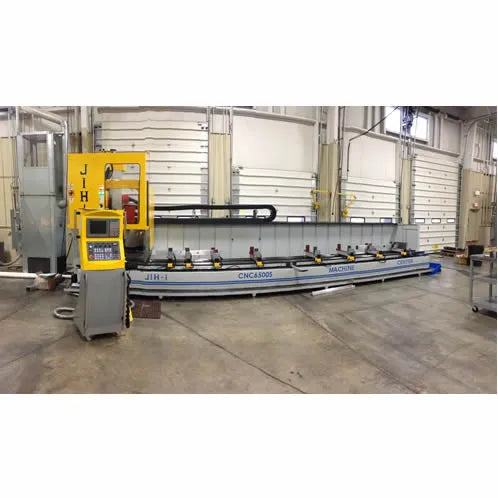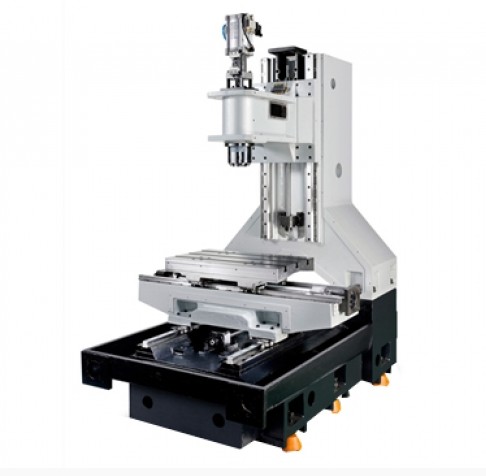
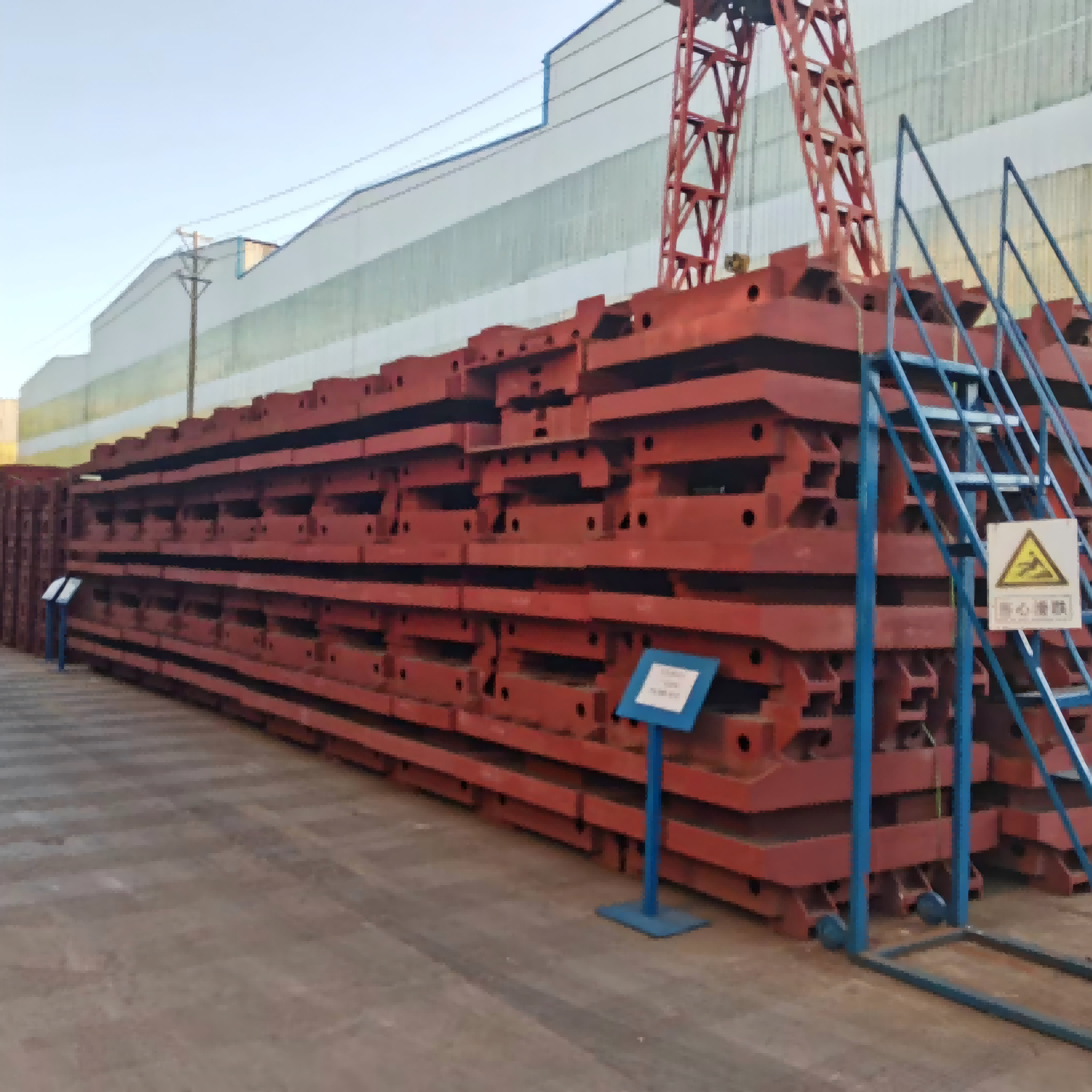
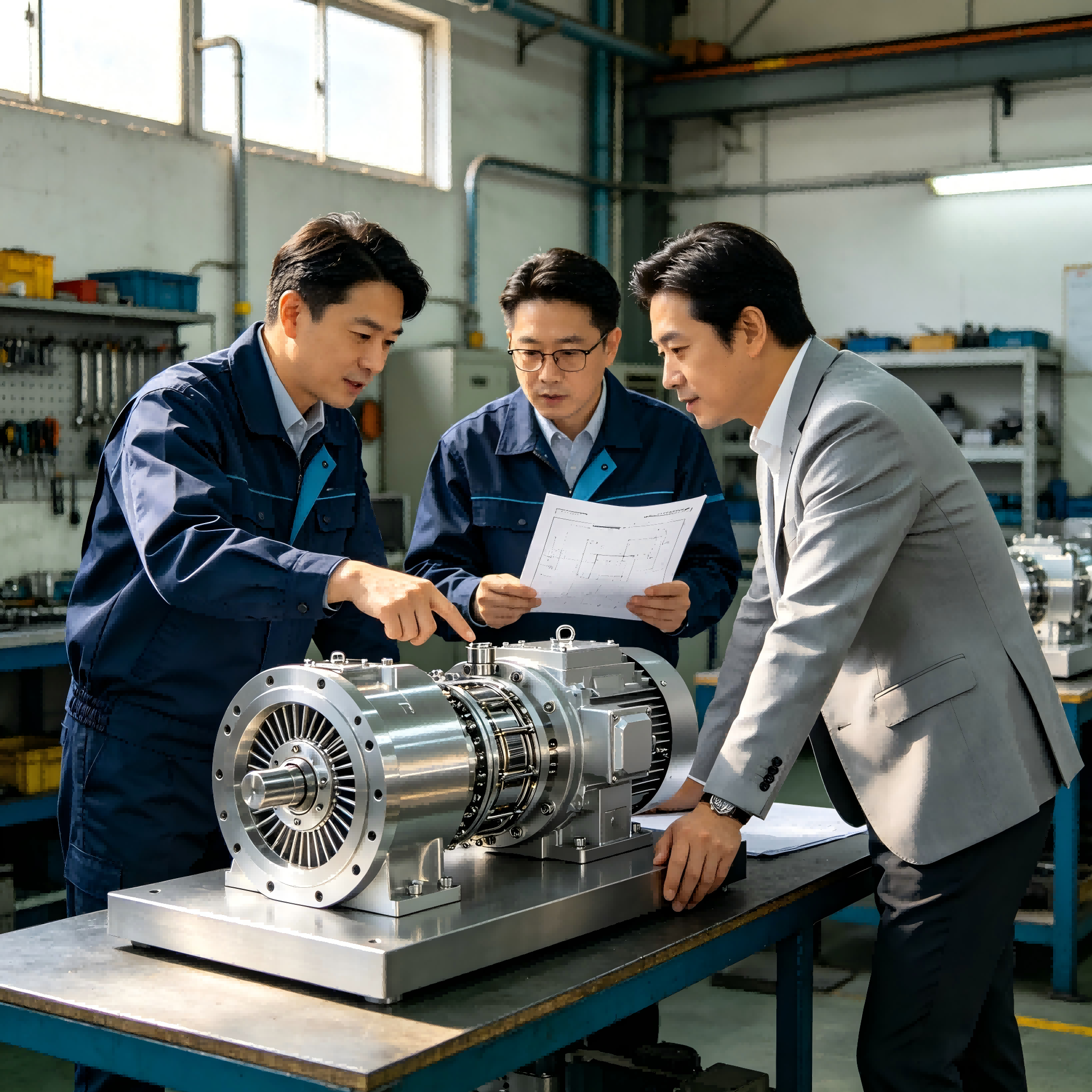
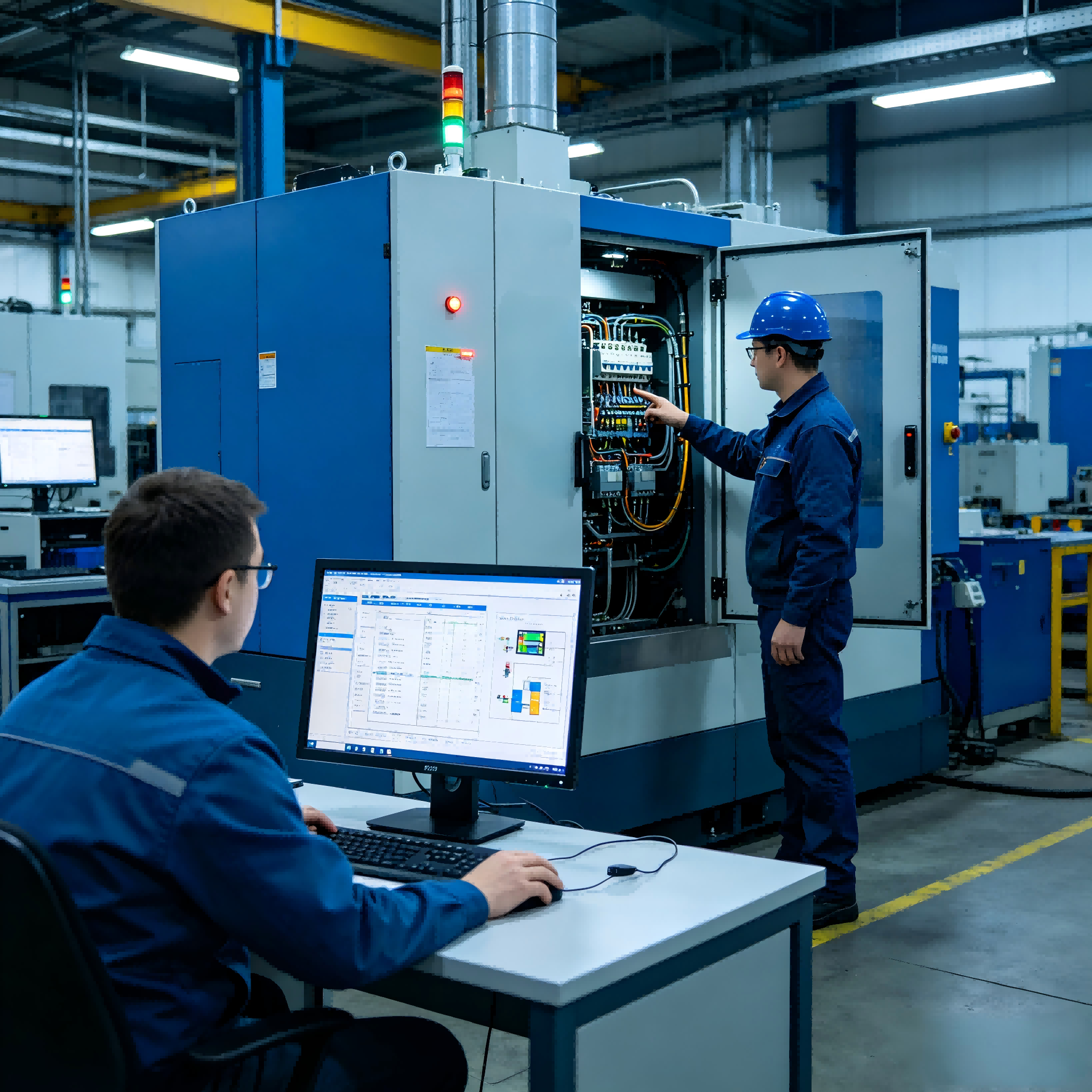

Introduction: Navigating the Global Market for Horizontal Machining Center
Sourcing horizontal machining centers for high-volume production environments presents a complex challenge for manufacturers balancing aggressive throughput demands against capital investment risks. As global supply chains evolve and competitive pressure intensifies across emerging markets, selecting the right CNC equipment becomes a strategic decision that directly impacts operational efficiency and long-term profitability. Whether you’re expanding capacity in Nigeria’s growing automotive sector or upgrading Vietnam’s precision engineering capabilities, understanding the nuances of HMC technology is essential for sustainable growth in today’s interconnected manufacturing landscape.
Why Are Horizontal Machining Centers Critical for Competitive Manufacturing?
Horizontal machining centers deliver unmatched multi-side precision and continuous operation capabilities that vertical alternatives simply cannot match in demanding production environments. With integrated pallet changers and automation-ready architectures, these machines enable lights-out manufacturing and significantly reduce idle time between complex operations. For B2B buyers targeting high-mix, high-volume production across diverse industries—from aerospace components to automotive mold frames—HMCs offer the thermal stability, superior chip evacuation, and rigid construction necessary for sustained 24/7 operations in challenging manufacturing conditions.
How Can Global Buyers Navigate the Complex HMC Procurement Landscape?
This comprehensive guide addresses the complete procurement ecosystem for international purchasers, particularly those operating in Africa, South America, the Middle East, and Europe. We examine critical selection criteria including machine specifications, automation integration options, and rigorous supplier vetting methodologies specific to emerging manufacturing hubs like Nigeria and Vietnam. From analyzing total cost of ownership and regional financing structures to evaluating after-sales support networks and spare parts availability across continents, this resource equips decision-makers with actionable intelligence to mitigate procurement risks, avoid common specification mismatches, and maximize return on investment in diverse industrial contexts.
By bridging technical specifications with regional market realities, this guide empowers you to make confident, data-driven purchasing decisions that align with your production goals and local operational constraints.
Understanding Horizontal Machining Center Types and Variations
| Type Name | Key Distinguishing Features | Primary B2B Applications | Brief Pros & Cons for Buyers |
|---|---|---|---|
| Standard Twin-Pallet HMC | Horizontal spindle orientation with dual-pallet APC; tombstone fixturing; gravity-assisted chip evacuation | High-volume automotive powertrain components; general metal fabrication; hydraulic valve bodies | Pros: Cost-effective automation entry point, proven reliability, reduces idle time between cycles. Cons: Limited to 3-4 axis machining, requires manual intervention for complex geometries, less flexible for high-mix environments. |
| 5-Axis Horizontal Machining Center | Integrated rotary/tilting table or trunnion mechanism; simultaneous 5-side machining capability; advanced contouring control | Aerospace structural components; medical implants and instruments; complex mold and die; turbine blade manufacturing | Pros: Eliminates multiple setups, achieves superior surface finishes, handles complex geometries in single clamping. Cons: Significantly higher capital investment, requires advanced CAM programming capabilities and highly skilled operators. |
| Moving-Column Table-Type HMC | Stationary worktable with traversing column and spindle assembly; enhanced rigidity for heavy cutting; accommodates oversized workpieces | Heavy equipment manufacturing; oil and gas sector components; large automotive stamping dies; construction machinery parts | Pros: Handles extremely heavy workpieces exceeding standard pallet limits, maintains stability during aggressive material removal. Cons: Requires larger factory footprints and specialized foundations, slower rapid traverse rates compared to fixed-column designs. |
| Pallet Pool / FMS-Integrated HMC | Six or more pallet configurations with automated storage; linear pallet systems; robotic loading/unloading integration; CNC-controlled job scheduling | Lights-out manufacturing operations; high-mix low-volume production; 24/7 unattended production environments | Pros: Maximizes expensive spindle utilization, enables unmanned overnight and weekend shifts, flexible response to changing production schedules. Cons: High upfront automation investment, requires consistent recurring job mix to justify ROI, complex integration requirements. |
| High-Speed Precision HMC | Ultra-high RPM spindles (>20,000 RPM); rapid traverse and acceleration rates; advanced thermal stability and vibration damping systems | Aluminum automotive structural components; consumer electronics housings; semiconductor manufacturing equipment; aerospace aluminum alloys | Pros: Exceptional surface quality on non-ferrous materials, dramatically reduced cycle times, optimized for high-volume aluminum production. Cons: Limited torque capacity for steel and hard metals, premium pricing structure, requires strict environmental temperature control. |
What Are the Core Benefits of Standard Twin-Pallet Horizontal Machining Centers?
These machines represent the foundational HMC configuration, featuring a horizontal spindle and dual-pallet automatic changer (APC) that enables concurrent setup and machining operations. Ideal for B2B buyers entering automated production, they offer the essential advantages of chip gravity evacuation and multi-side access without the complexity of full automation. When evaluating these units, prioritize spindle power curves and pallet change speed, as these directly impact throughput in high-volume environments where machine utilization determines ROI.
When Should Manufacturers Invest in 5-Axis Horizontal Machining Centers?
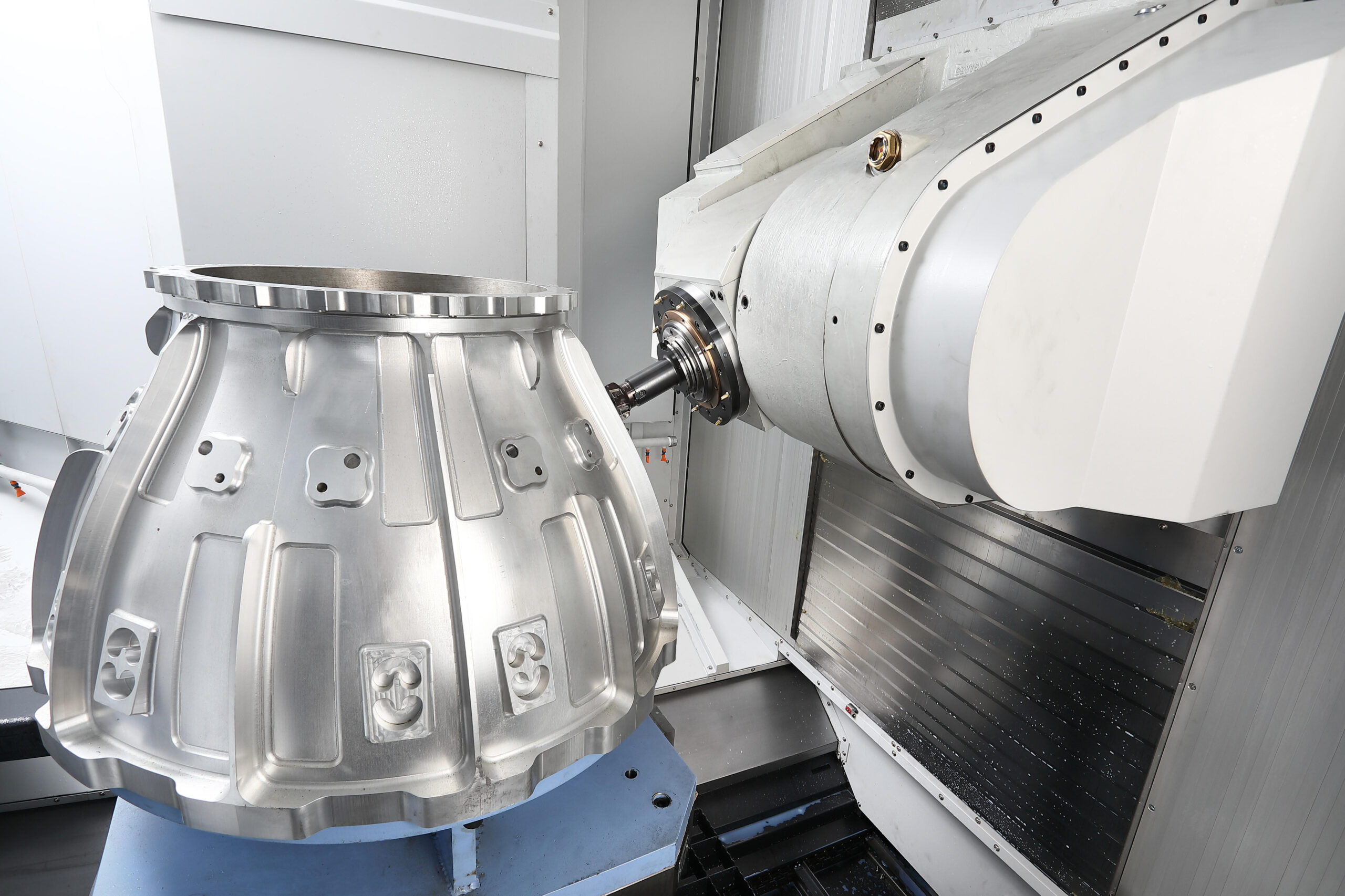
5-axis HMCs integrate rotary tables or trunnion systems that enable simultaneous cutting from multiple angles, eliminating the need for manual repositioning of complex workpieces. These systems prove essential for B2B operations in aerospace and medical device manufacturing, where geometric complexity and tight tolerances are non-negotiable. Purchasing considerations should focus on the CNC system’s look-ahead capabilities and collision avoidance software, as programming complexity increases significantly with full simultaneous 5-axis operation.
Why Choose Moving-Column Table-Type Horizontal Machining Centers for Heavy Manufacturing?
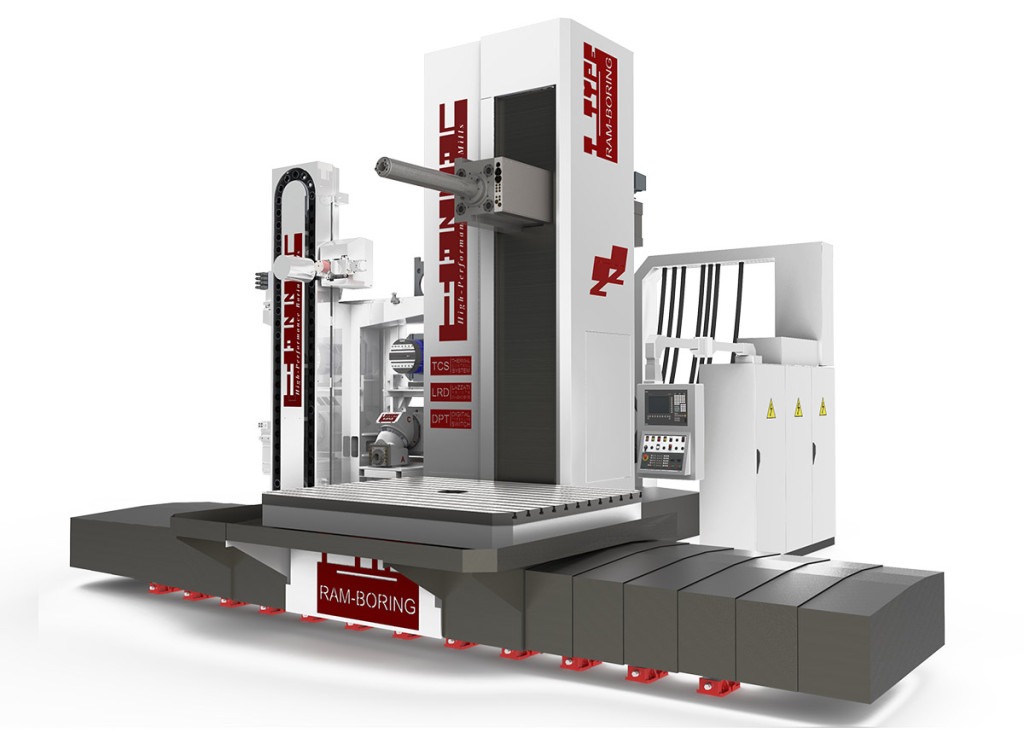
Distinct from fixed-column designs, moving-column HMCs feature a stationary worktable while the column and spindle traverse along X and Y axes, providing exceptional stability for massive workpieces common in heavy equipment and energy sectors. This architecture accommodates weights exceeding standard pallet capacities while maintaining rigidity during aggressive cutting cycles. Buyers should assess foundation requirements and floor space availability, as these machines demand substantial installation footprints and specialized leveling to maintain geometric accuracy under load.
How Do Pallet Pool Systems Maximize Horizontal Machining Center Utilization?
Expanding beyond twin-pallet configurations, pallet pool HMCs incorporate six or more pallets managed by automated storage and retrieval systems, enabling true lights-out manufacturing and high-mix production flexibility. These variations suit B2B operations seeking to amortize high equipment costs across extended unattended shifts, particularly valuable in regions with higher labor costs or limited skilled operator availability. Critical purchasing factors include the pallet management software’s scheduling intelligence and compatibility with existing factory automation networks.
What Applications Benefit Most from High-Speed Horizontal Machining Centers?
Engineered specifically for aluminum and light alloy production, high-speed HMCs feature spindles exceeding 20,000 RPM with advanced thermal compensation and rapid traverse capabilities that minimize non-cutting time. These machines dominate automotive component manufacturing and electronics housing production where surface quality and cycle time are paramount. Prospective buyers should verify the machine’s anti-vibration systems and spindle acceleration curves, as sustained high-speed operation requires robust thermal management to maintain micron-level precision over extended production runs.
Key Industrial Applications of Horizontal Machining Center
| Industry/Sector | Specific Application of Horizontal Machining Center | Value/Benefit for the Business | Key Sourcing Considerations for this Application |
|---|---|---|---|
| Automotive Manufacturing | Engine blocks, transmission cases, cylinder heads, and differential housings | High-volume production with minimal downtime; multi-face machining reduces setup time by 40-60%; superior chip evacuation prevents porosity in aluminum castings | Thermal stability systems for cast iron/aluminum processing; automation compatibility (robotic loading interfaces) for lights-out operation; spare parts availability in local markets |
| Aerospace & Defense | Turbine housings, structural brackets, landing gear components, and avionics enclosures | Precision 5-axis capability for complex geometries; rigid construction enables hard metal cutting (titanium/inconel) with surface finishes below Ra 0.8; pallet pools accommodate high-mix, low-volume contracts | AS9100/ISO certification compliance; spindle power ratings above 30kW for heavy material removal; advanced tool center point management in CNC controls |
| Oil & Gas Equipment | High-pressure valve bodies, pump housings, manifold blocks, and wellhead components | Heavy-duty cutting of stainless steel and duplex alloys; horizontal chip flow prevents contamination in deep cavities critical for pressure-containing equipment; unattended machining capability for large forgings | Through-spindle coolant systems for deep-hole drilling; corrosion-resistant machine guarding; API specification compliance documentation; MTBF reliability data for capital-intensive operations |
| General Engineering & Heavy Machinery | Gearboxes, machine tool beds, construction equipment frames, and agricultural implements | Flexibility for high-mix production via six-pallet pool systems; reduced labor cost per part through lights-out operation; ability to pivot between job-shop and production environments | Local service support networks and preventive maintenance programs; comprehensive operator training for pallet management and macro programming; financing options accommodating currency fluctuation risks |
How do horizontal machining centers optimize high-volume automotive component production?
HMCs revolutionize automotive manufacturing by enabling complete machining of engine blocks, transmission cases, and cylinder heads in single setups. The horizontal spindle orientation provides superior chip evacuation—critical when processing aluminum castings prone to porosity defects in emerging markets like Nigeria and Vietnam. Integrated pallet changers facilitate continuous production during shift changes, while thermal stability systems maintain ±0.005mm tolerances across 24/7 operations. This capability proves particularly valuable for Tier 1 suppliers in Vietnam’s growing automotive corridor, where just-in-time delivery schedules demand 95%+ machine utilization rates. Buyers should prioritize automation-ready configurations with robotic loading interfaces to ensure scalability as production volumes grow.
What makes horizontal machining centers essential for aerospace precision manufacturing?
Aerospace contractors in the Middle East and Europe rely on HMCs for 5-axis machining of complex turbine housings, structural brackets, and landing gear components. The machine’s rigid box-way construction dampens vibrations when cutting titanium and inconel, delivering surface finishes below Ra 0.8 required for flight-critical parts. Pallet pool systems accommodate the sector’s high-mix, low-volume nature by storing multiple fixture configurations for rapid changeovers. Sourcing teams must verify AS9100 compliance capabilities and ensure adequate spindle power (30kW+) for hard metal removal rates without compromising geometric accuracy. Additionally, verify that the CNC control offers advanced tool center point management to simplify the programming of compound angles common in aerostructures.
Why are horizontal machining centers critical for oil and gas equipment manufacturing?
For energy sector suppliers in Nigeria, the Middle East, and South America, HMCs machine high-pressure valve bodies, manifold blocks, and pump housings from 316 stainless steel and duplex alloys. The horizontal configuration prevents chip recutting in deep cavities—a common cause of premature tool failure when machining exotic materials. High-torque gear-driven spindles handle interrupted cuts in forged billets while maintaining dimensional stability for pressure-containing components. Buyers should specify machines with through-spindle coolant systems and corrosion-resistant guarding to withstand harsh shop environments. Given the capital-intensive nature of oilfield equipment, reliability metrics and mean-time-between-failures data should dominate vendor evaluation criteria over initial purchase price.
How can emerging market manufacturers leverage HMCs for diversified industrial production?
Engineering firms across Africa and Vietnam utilize HMCs with six-pallet pool systems to efficiently process gearboxes, machine tool beds, and construction equipment components. This flexibility allows medium-sized shops to pivot between job-shop and production environments without lengthy changeovers, addressing the infrastructure demands of rapidly industrializing economies. The technology addresses skilled labor shortages by enabling lights-out operation during off-shifts. Critical sourcing considerations include establishing local service partnerships for preventive maintenance and securing comprehensive operator training programs, as effective pallet management requires specialized expertise often limited in developing manufacturing sectors. Furthermore, investigate financing options that accommodate currency fluctuation risks prevalent in South American markets, ensuring sustainable technology transfer without compromising cash flow.
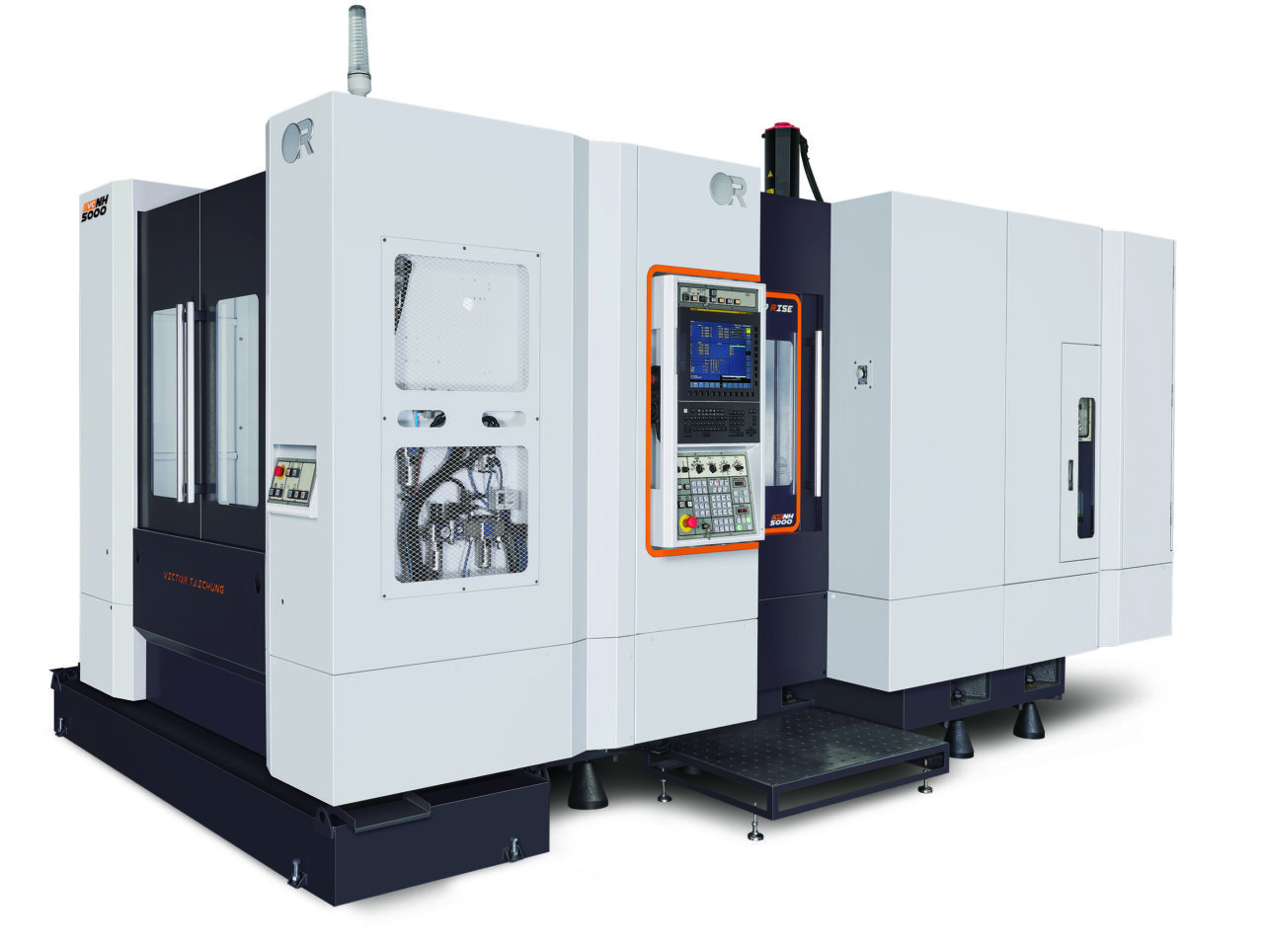
A stock image related to Horizontal Machining Center.
3 Common User Pain Points for ‘Horizontal Machining Center’ & Their Solutions
Scenario 1: Capital Justification Hesitation in Emerging Manufacturing Economies
The Problem: Procurement teams in Nigeria, Vietnam, or Brazil often face immediate sticker shock when comparing horizontal machining centers to vertical alternatives—typically encountering price tags 2.5 to 4 times higher. The pain point extends beyond budget constraints; buyers must justify this capital expenditure to stakeholders who view cheaper VMCs as “sufficient,” especially where labor costs remain relatively low. Compounding this challenge, many facilities struggle to prove theoretical ROI when their current VMCs sit idle 40% of the time due to manual loading, making the HMC’s automation advantages seem abstract rather than immediate.
The Solution: Reframe the evaluation from machine purchase price to cost-per-part over a five-year horizon. Conduct time-studies on high-volume components requiring multiple VMC setups, quantifying the labor cost of repeated handling versus single-setup completion on an HMC. For emerging markets, specify entry-level configurations featuring dual-pallet automatic pallet changers (APC) rather than full pallet pools initially—this captures approximately 70% of automation benefits at significantly lower capital risk. Explore manufacturer-backed financing or certified pre-owned equipment channels to reduce initial outlay while securing the thermal stability necessary for precision work.
Scenario 2: Underestimating Workholding Complexity and Setup Standardization
The Problem: First-time HMC adopters frequently discover that theoretical efficiency crashes against inadequate fixture planning. Unlike VMCs requiring simple vises, horizontal machining centers demand tombstone fixtures mounted on pallets to access four workpiece sides—a concept often underestimated by buyers transitioning from job-shop environments. Without standardized workholding, setup times balloon, operators struggle with complex tombstone loading sequences, and expensive pallet changers sit idle because fixtures weren’t pre-staged. This operational friction is particularly acute in high-mix manufacturing common across South America and Eastern Europe, where production runs lack the consistency to justify dedicated fixturing.
The Solution: Treat workholding as capital equipment integral to the machine purchase, allocating 15-20% of the budget to modular fixture infrastructure. Implement immediate pallet standardization—ensuring all tombstones use identical base plates and clamping systems for mix-and-match flexibility. Establish offline fixture preparation stations where operators stage subsequent jobs while the machine runs. For diverse production environments, initially deploy dedicated fixtures only for your highest-volume recurring parts rather than complex universal systems, gradually expanding standardization as volumes justify the investment.
Scenario 3: Operational Reliability Concerns in Non-Ideal Environments
The Problem: The promise of lights-out manufacturing creates significant anxiety for facility managers in regions with inconsistent power infrastructure, extreme ambient temperatures, or limited technical support—common scenarios across Africa and the Middle East. Buyers fear that thermal drift in non-climate-controlled facilities, chip accumulation despite gravity evacuation, or mechanical failures during night shifts could result in catastrophic crashes or scrapped expensive workpieces. This risk aversion often leads to underutilization of automation features like pallet pools, effectively converting premium HMCs into expensive manual machines.
The Solution: Implement a “lights-dimmed” strategy—extended supervised shifts with remote monitoring—before attempting full unattended operation. Select machines featuring robust thermal compensation systems and cast iron construction to resist ambient temperature fluctuations common in tropical manufacturing environments. Install redundant chip management including high-pressure through-spindle coolant and heavy-duty conveyors to handle materials prone to nesting. Critically, prioritize suppliers with established regional service networks and guaranteed spare parts availability in your specific market, ensuring rapid response capabilities that mitigate the risks of overnight production.
Strategic Material Selection Guide for Horizontal Machining Center
Selecting optimal workpiece materials for horizontal machining centers (HMCs) requires balancing mechanical requirements against production economics and regional supply chain realities. Unlike vertical machining centers, HMCs excel at handling diverse material densities due to their rigid box-way construction, superior chip evacuation, and multi-pallet automation capabilities. For procurement teams in emerging manufacturing hubs across Nigeria, Vietnam, and Eastern Europe, understanding material-specific machining characteristics directly impacts spindle utilization rates, tool expenditure budgets, and per-part profitability in competitive export markets.
Which Aluminum Alloys Maximize Throughput in Horizontal Machining Centers?
Aluminum alloys, particularly 6061-T6 and 7075-T651, represent the highest-volume applications for HMCs in automotive and aerospace sectors across target markets. These materials allow for aggressive cutting parameters—often running at 10,000+ RPM with high feed rates—leveraging the HMC’s horizontal spindle orientation for superior chip flow and preventing recutting. The material’s low density reduces fixture wear and enables multi-pallet automation systems to cycle faster between loads. However, aluminum’s high thermal expansion coefficient demands strict temperature control in precision applications, and its tendency to gall requires specialized workholding strategies. For B2B buyers, aluminum offers the lowest cost-per-part with minimal tool wear, though initial fixture investment can be substantial.
Why Does Gray Cast Iron Remain Essential for Automotive Block Machining?
Gray cast iron (ASTM A48 Class 30-40) dominates HMC applications for engine blocks, pump housings, and transmission cases due to its exceptional vibration damping properties and machinability. The material’s graphite microstructure acts as a natural lubricant, extending carbide insert life during interrupted cuts common in 4-axis tombstone fixtures. HMCs particularly excel here because the horizontal orientation prevents abrasive cast iron dust from accumulating in critical machine components. While the material enables high material removal rates and excellent surface finishes, its brittleness requires rigid fixturing to prevent chatter during heavy roughing operations. Procurement teams value cast iron for its supply chain availability in industrial regions and lower raw material costs compared to steel alternatives.
How Do Alloy Steels Challenge Horizontal Machining Center Capabilities?
Medium-carbon alloy steels like 4140 and 4340 present rigorous tests for HMC rigidity and thermal stability, particularly in mold and die manufacturing or heavy equipment production. These materials require significant horsepower and torque, often necessitating gear-driven spindles rather than direct-drive options to maintain cutting efficiency. The strategic advantage lies in producing durable components for oil and gas equipment or injection molds that aluminum cannot support. Successful machining demands through-tool coolant systems and coated carbide inserts to manage heat generation and prevent work hardening. While cycle times extend significantly compared to aluminum, the value-added per component and market diversification justify the capital investment for manufacturers serving industrial sectors.
Is Titanium Machining Viable for Emerging Market Manufacturers Using HMCs?
Titanium alloys (Ti-6Al-4V) represent the premium tier of HMC applications, requiring specific machine configurations including high-torque spindles, rigid construction, and advanced coolant pressure systems. The material’s poor thermal conductivity concentrates heat at the cutting edge, making the HMC’s chip evacuation capabilities critical to preventing work hardening and premature tool failure. Aerospace and medical device manufacturers in emerging markets increasingly demand titanium capabilities for orthopedic implants and structural airframe components. Despite high material costs and accelerated tool consumption rates, titanium’s exceptional strength-to-weight ratio opens doors to high-margin export contracts. Buyers should verify HMC specifications include high-pressure coolant and thermal compensation systems before committing to titanium production lines.
| Material | Typical Use Case for Horizontal Machining Center | Key Advantage | Key Disadvantage/Limitation | Relative Cost |
|---|---|---|---|---|
| Aluminum Alloys (6061, 7075) | Aerospace structural components, automotive transmission housings, electronic enclosures | High-speed machinability enables lights-out production with minimal tool wear | Thermal expansion requires climate-controlled environments; workholding can be challenging | Low |
| Gray Cast Iron (Class 30-40) | Engine blocks, pump housings, machine tool bases, valve bodies | Superior vibration damping and natural lubricity extend tool life; excellent for interrupted cuts | Brittleness limits design complexity; heavy weight increases material handling costs | Low-Medium |
| Alloy Steels (4140, 4340) | Plastic injection molds, oilfield equipment, heavy machinery shafts | High strength and wear resistance for demanding industrial applications | Requires significant horsepower and generates substantial heat; slower cutting speeds | Medium |
| Titanium (Ti-6Al-4V) | Aerospace fasteners, medical implants, chemical processing equipment | Exceptional strength-to-weight ratio and corrosion resistance for premium markets | Rapid tool wear and work hardening necessitate specialized tooling and machine specifications | High |
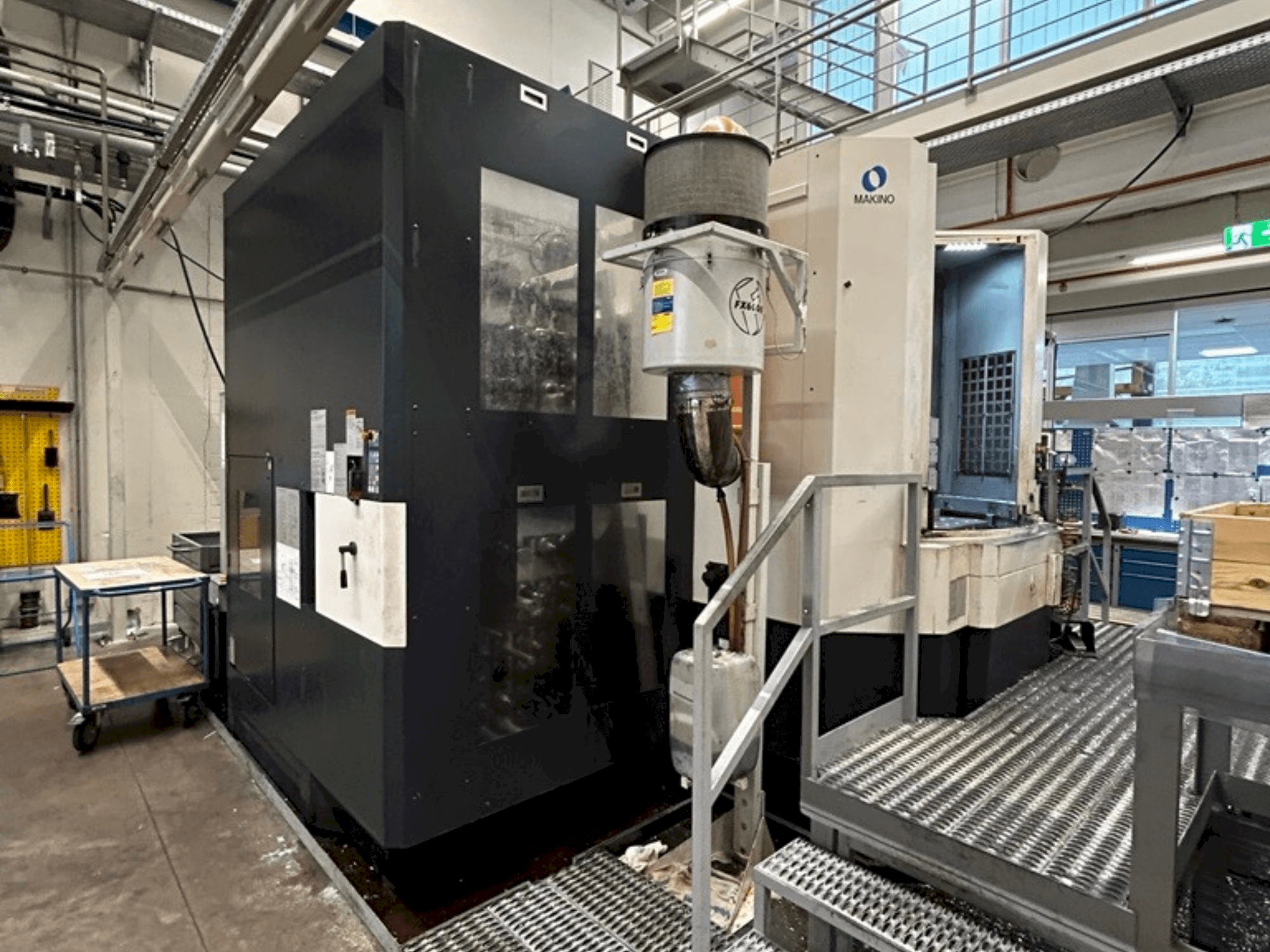
A stock image related to Horizontal Machining Center.
In-depth Look: Manufacturing Processes and Quality Assurance for Horizontal Machining Center
The manufacturing integrity of a horizontal machining center (HMC) directly determines its ability to maintain tight tolerances during high-volume, multi-sided operations. For procurement teams evaluating suppliers across diverse industrial markets—from Nigeria’s emerging automotive sector to Vietnam’s precision component industry—understanding the production methodologies and quality protocols behind these machines is essential for mitigating long-term operational risks and ensuring ROI in demanding production environments.
How Is the Machine Base Manufactured to Resist Thermal Deformation?
The foundation of every precision HMC begins with high-grade Meehanite or cast iron bed casting, selected specifically for its vibration-damping properties and structural rigidity. Reputable manufacturers subject these castings to multi-stage stress-relief heat treatment, including artificial aging processes that can span several months, to eliminate internal residual stresses caused by the initial cooling process. This thermal stabilization is critical for buyers operating in climates with significant temperature fluctuations, as it prevents the structural distortion that compromises multi-side machining accuracy over time. The casting surfaces then undergo precision CNC machining and hand-scraping techniques to create the geometrically true mounting surfaces required for linear guide ways and pallet changer integration.
What Precision Machining Techniques Ensure Geometric Accuracy?
Following base preparation, manufacturers employ specialized CNC guideway grinding machines and jig boring centers to machine the spindle housing, saddle components, and rotary table mounting interfaces to micron-level tolerances. For 5-axis capable HMCs, the trunnion or swivel head assembly undergoes complex simultaneous five-axis machining to ensure concentricity between the horizontal spindle and rotary axes. Critical components such as ball screws and linear motion guides are matched and pre-loaded during assembly to eliminate backlash, while the spindle cartridge—often the most precision-sensitive element—is balanced and tested for runout before installation. These processes ensure that the machine achieves the positioning repeatability necessary for lights-out manufacturing and automated pallet pool operations.
How Are Pallet Changer Systems Calibrated for Unattended Operation?
Given that HMCs derive much of their productivity from automated pallet changing (APC) systems, manufacturers dedicate significant quality assurance resources to calibrating these mechanisms. Each pallet changer undergoes rigorous repeatability testing, where the pallet is exchanged hundreds of times while laser measurement systems verify that the pallet centering cones and clamping mechanisms return to within 0.005mm of their original position. The integration of linear pallet systems and robotic automation interfaces is tested under simulated production loads to ensure seamless communication between the machine control unit and factory automation systems. This calibration is particularly vital for buyers planning extended unattended shifts, as any misalignment in the pallet change cycle can cause catastrophic collisions or part rejection during overnight operations.
Which Quality Assurance Tests Validate Real-World Cutting Performance?
Beyond static geometric checks, comprehensive HMC validation requires dynamic performance testing. Manufacturers utilize laser interferometry to certify positioning accuracy and repeatability according to ISO 230-2 standards, while ballbar testing verifies the circular interpolation accuracy critical for contouring operations. Thermal drift tests monitor spindle growth and axis expansion during continuous four-hour cutting cycles to ensure stability during high-volume production. Finally, acceptance testing includes actual cutting trials—such as taper cutting tests and surface finish evaluations on test pieces—to verify that chip evacuation systems function effectively under load and that the machine maintains specified tolerances when processing materials ranging from aluminum alloys to hardened steels.
What Certifications Should International Buyers Verify Before Procurement?
When sourcing HMCs for export to Africa, South America, the Middle East, or Europe, buyers should verify that manufacturers maintain ISO 9001:2015 certification for quality management systems, ensuring consistent production standards. For European markets, CE marking compliance confirms adherence to machinery safety directives and electromagnetic compatibility standards. Additionally, request documentation of ISO 230 machine tool accuracy standards compliance and, where applicable, UL or CSA electrical certifications for North American voltage compatibility. Suppliers should provide material certificates for critical castings and heat treatment records, demonstrating traceability for warranty claims and long-term spare parts support.
How Do Manufacturers Ensure Consistent Quality Across Export Markets?
Leading HMC builders implement factory acceptance testing (FAT) protocols that allow buyer representatives to witness machine performance before shipment, including verification of pallet pool sequencing and automation integration. Quality assurance extends to packaging and preservation treatments, such as vacuum-sealed critical surfaces and humidity-controlled crating, to prevent corrosion during sea freight to tropical or high-humidity destinations. Establishing direct technical partnerships or authorized service centers within the buyer’s region ensures that calibration, spindle replacement, and precision maintenance can be performed locally without returning components to the origin factory. This localized support infrastructure is crucial for maintaining the thermal stability and automation readiness that define modern horizontal machining center performance.
Practical Sourcing Guide: A Step-by-Step Checklist for ‘Horizontal Machining Center’
Procuring a horizontal machining center represents a significant capital investment that demands careful evaluation of both technical specifications and logistical feasibility. For manufacturing operations across emerging markets in Africa, Southeast Asia, and South America, the sourcing process must account for local infrastructure constraints, regional support availability, and specific production scalability needs. This checklist provides a structured framework to evaluate HMC capabilities against your operational reality, ensuring your selection delivers sustainable throughput rather than just impressive specifications.
How Do You Determine the Optimal Pallet Configuration for Your Production Mix?
Begin by analyzing your job complexity and volume patterns. If your facility runs high-mix, low-volume batches requiring frequent changeovers, prioritize machines with pallet pools offering six or more stations rather than standard dual-pallet systems. For operations targeting lights-out manufacturing during off-shifts, verify that the pallet management system supports unattended operation with automatic job queuing. Consider whether your growth trajectory justifies immediate investment in linear pallet systems or if modular expansion capabilities allow gradual automation scaling.
What Spindle Specifications and Thermal Controls Suit Your Material Requirements?
Evaluate spindle power, torque curves, and maximum RPM based on your primary materials—whether aluminum aerospace components or heavy alloy automotive parts. Given that many facilities in target regions may lack full climate-controlled environments, insist on thermal stability features such as coolant-through-spindle systems and machine structures with symmetrical casting designs that minimize heat distortion. Request documentation on thermal drift compensation technologies that maintain precision during extended operation cycles in variable ambient temperatures.
How Critical Is Chip Management for Your Operational Efficiency?
Leverage the inherent advantage of horizontal spindle orientation for gravity-assisted chip evacuation, but verify specific system capabilities. Ensure the machine includes high-pressure coolant delivery (minimum 70 bar) for deep-hole drilling applications and efficient conveyor systems that prevent chip accumulation in the cutting zone. For facilities processing materials that generate fine particulates or long stringy chips, confirm compatibility with specialized filtration systems and assess maintenance accessibility for regular cleaning protocols.
Which Automation Integration Capabilities Future-Proof Your Investment?
Look beyond immediate needs to assess robotic loading compatibility and Industry 4.0 connectivity standards. Verify that the CNC control architecture supports seamless integration with robotic automation cells and automated guided vehicle (AGV) systems for pallet transport. Ensure the machine offers standardized communication protocols that allow integration with your existing manufacturing execution systems (MES) without proprietary software lock-in.
How Do You Verify Regional Service Infrastructure and Parts Availability?
For international buyers, proximity to technical support proves as critical as machine specifications. Investigate whether the manufacturer maintains service centers or certified technicians within your region—or at minimum—offers rapid-response fly-in support with guaranteed arrival timeframes. Confirm spare parts warehousing locations relative to your facility to minimize downtime during critical component failures, and evaluate the availability of remote diagnostic capabilities that enable troubleshooting before technician arrival.
What Infrastructure Requirements Must Your Facility Satisfy?
Assess foundation requirements, including seismic anchoring specifications and floor load capacity for heavy-duty models. Verify electrical infrastructure compatibility regarding voltage stability and phase requirements, particularly important in regions with inconsistent power grids. Calculate total facility modifications needed for coolant management systems, chip conveyor discharge, and overhead crane access for pallet loading, ensuring these costs factor into your total investment calculations.
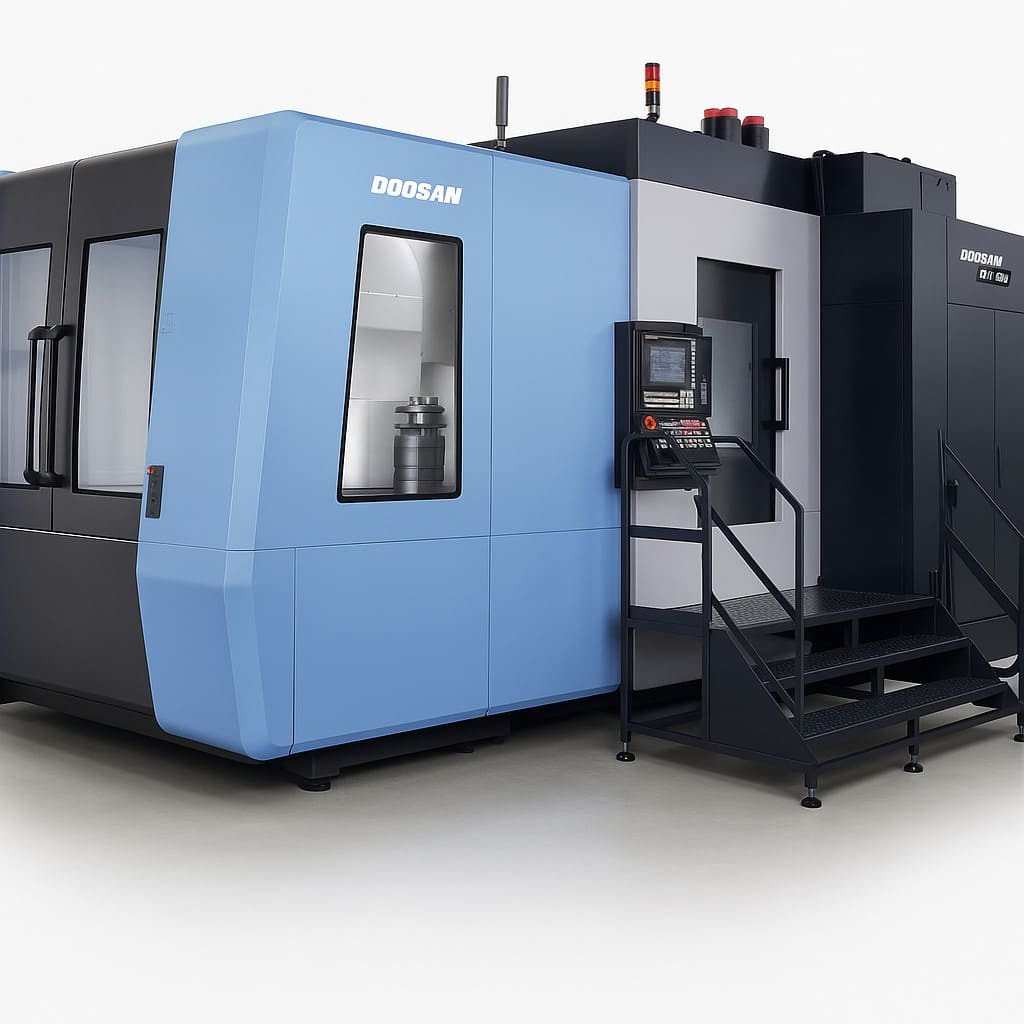
A stock image related to Horizontal Machining Center.
Comprehensive Cost and Pricing Analysis for Horizontal Machining Center Sourcing
Horizontal machining centers represent a significant capital investment with pricing tiers that reflect spindle speed capabilities, automation integration, and regional manufacturing origins. For procurement teams in emerging markets like Nigeria and Vietnam, understanding the complete cost architecture—from base machine specifications to landed logistics—ensures accurate budget forecasting and avoids procurement delays.
What Is the Typical Price Range for Entry-Level vs. Premium Horizontal Machining Centers?
Base machine costs vary dramatically based on axis configuration and build origin. Entry-level 3-axis HMCs from Taiwanese or Chinese manufacturers typically start between $150,000–$250,000, offering robust construction suitable for general engineering and automotive component production. Mid-tier Japanese or Korean models with enhanced thermal stability and 12,000+ RPM spindles generally command $300,000–$500,000. Premium 5-axis simultaneous machining centers with integrated pallet pools and robotic loading interfaces can exceed $800,000, particularly when sourced from European or Japanese OEMs specializing in aerospace-grade precision.
How Do Automation Features Like Pallet Pools Impact Total Investment?
While a standard two-pallet automatic pallet changer (APC) often comes included in base pricing, expanding to six-pallet or linear pallet pool systems represents a significant add-on—typically $50,000–$150,000 depending on capacity and control integration. However, for high-mix production environments common in contract manufacturing hubs, this investment rapidly amortizes through increased spindle utilization rates (often exceeding 85% versus 60% for manual operations) and reduced labor cost per part. Robotic integration for lights-out manufacturing adds another $75,000–$200,000 but enables 24/7 production cycles critical for competitive export manufacturing.
What Hidden Costs Should International Buyers Budget Beyond the Machine Price?
Procurement teams must account for 15–25% in additional landed costs, including ocean freight, customs duties, and import VAT prevalent in African and South American markets. Installation and commissioning by factory-trained technicians typically runs $10,000–$25,000, while comprehensive operator training programs add $5,000–$15,000. Spare parts packages—essential for minimizing downtime in regions with limited local service infrastructure—should represent 3–5% of machine value in initial procurement budgets.
How Can Buyers Optimize ROI Through Strategic Configuration Choices?
Rather than maximizing specifications, buyers should match spindle power and table size to actual part portfolios. Selecting a 40-taper spindle over 50-taper for aluminum-intensive aerospace work reduces both initial cost and energy consumption. For metalworking shops in the Middle East and Europe, specifying machines with advanced chip management and coolant systems prevents costly retrofits when processing cast iron or hardened steels. Leveraging manufacturer financing programs or export credit agencies can preserve working capital while securing extended warranty packages that mitigate maintenance risk in remote operational environments.
Alternatives Analysis: Comparing Horizontal Machining Center With Other Solutions
Selecting the optimal CNC architecture requires balancing production volume, workpiece geometry, and capital expenditure against your facility’s operational maturity. While Horizontal Machining Centers (HMCs) excel in high-throughput, multi-sided production, alternative configurations may better serve specific constraints common in emerging markets, such as limited floor space or lower batch consistency. This analysis evaluates HMCs against Vertical Machining Centers (VMCs) and Gantry Machining Centers—two prevalent alternatives in global manufacturing—to clarify which solution aligns with your strategic objectives in regions like Nigeria, Vietnam, or the Middle East.
Which CNC Configuration Delivers the Best ROI for High-Mix Production?
| Comparison Aspect | Horizontal Machining Center (HMC) | Vertical Machining Center (VMC) | Gantry Machining Center (GMC) |
|---|---|---|---|
| Production Throughput | Very High (pallet pools enable lights-out operation) | Moderate (operator-dependent changeovers) | Low-Moderate (specialized, low-volume) |
| Initial Capital Investment | High ($200,000–$800,000+) | Moderate ($50,000–$250,000) | Very High ($400,000–$2,000,000+) |
| Multi-Sided Machining | 4-sided simultaneous via tombstone pallets | Requires manual repositioning (increases error risk) | 5-sided access; large envelope |
| Automation Integration | Native (pallet changers, robotic loading standard) | Add-on (requires custom integration) | Limited (manual fixturing typical) |
| Chip Management | Superior (gravity evacuation) | Moderate (auxiliary conveyors needed) | Good (large capacity systems) |
| Floor Space Requirements | Moderate (plus buffer for pallet pools) | Compact | Extensive (dedicated bay required) |
| Workpiece Size Suitability | Medium (ideal for prismatic parts <1m) | Small-Medium | Very Large (>2m components) |
| Implementation Complexity | Moderate (requires pallet logistics) | Low (standard installation) | High (foundation/crane requirements) |
| Cost Per Part (High Volume) | Low | High | Moderate |
How Do Vertical Machining Centers Compare for Low-Volume Production?
Vertical Machining Centers remain the predominant choice for manufacturers prioritizing capital efficiency and operational flexibility over raw throughput, particularly in South American or African markets with diverse subcontracting demands. Unlike horizontal configurations that utilize pallet changers for continuous production, VMCs typically require manual repositioning to access multiple part features, introducing potential datum-shift errors and extending cycle times for complex geometries. However, the lower initial investment—often 40-60% below comparable HMCs—provides faster ROI on smaller contracts and prototyping work. Additionally, VMCs demand less floor space and simplified foundation requirements, making them ideal for leased industrial facilities or operations with frequent layout changes. While chip evacuation relies more heavily on auxiliary systems rather than gravity, modern VMCs with through-spindle coolant mitigate this limitation. Ultimately, select a VMC when your production profile emphasizes prototyping, small batch sizes under 500 units, or larger components requiring top-down spindle access that would be impractical to mount on horizontal tombstones.
When Is a Gantry Machining Center the Superior Choice for Large Components?
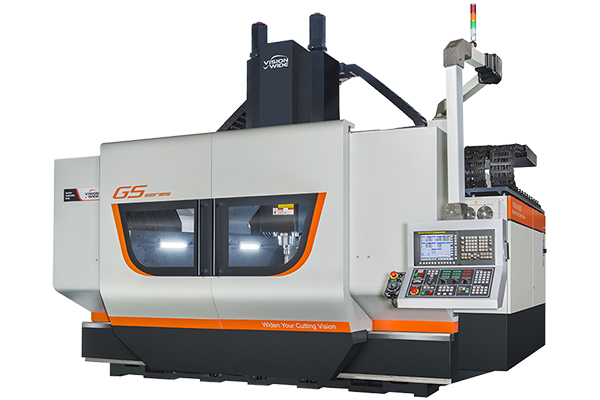
Gantry Machining Centers address the dimensional limitations inherent to pallet-based systems, specifically engineered for oversized components exceeding 2 meters in length or requiring five-sided access across large surface areas. Common in European aerospace and Middle Eastern energy sectors, these bridge-style machines trade the high-automation density of HMCs for volumetric capacity, utilizing fixed tables or movable columns to accommodate massive workpieces that would overload standard pallet systems. While the initial capital outlay significantly exceeds horizontal alternatives—often requiring reinforced foundations and dedicated climate-controlled bays—the cost-per-cubic-meter of machining envelope becomes competitive for specialized applications like wind turbine housings or automotive stamping dies. Unlike HMCs optimized for unattended pallet-pool operation, gantry systems typically involve longer setup cycles and manual fixture verification due to part complexity, yet they eliminate the need for multiple setups that would fragment precision on large components. Consider gantry architecture when your facility regularly processes extra-large molds, structural aluminum extrusions, or composite aerospace panels where size constraints render palletized horizontal machining impractical.
Essential Technical Properties and Trade Terminology for Horizontal Machining Center
When procuring horizontal machining centers for high-volume production environments, understanding the technical specifications that directly impact part quality, cycle times, and automation potential is essential for calculating true ROI in competitive manufacturing markets.
What Pallet Dimensions and Work Envelope Should You Specify?
The pallet size—typically ranging from 400mm to 1250mm square—dictates your maximum workpiece capacity, while X/Y/Z axis travels determine fixture clearance and tool length accommodation. For buyers serving automotive or aerospace sectors, verify that the B-axis rotation range (often 360° continuous or 0.001° indexing) accommodates complex multi-face machining without repositioning errors that compromise geometric tolerances.
How Do Spindle Specifications Impact Material Versatility?
Spindle speed (ranging from 8,000 to 20,000+ RPM) and torque output (measured in Nm) determine whether the machine efficiently cuts aluminum alloys or heavy-duty steels. Look for integrated motor spindles with oil-air mist lubrication and chilled cooling systems to maintain thermal stability during extended operations, particularly critical in regions with high ambient temperatures where thermal drift affects precision.
What APC Configuration Matches Your Production Volume?
Automatic Pallet Changer specifications extend beyond standard dual-pallet setups. Evaluate pallet pool capacities (6 to 16+ stations) and changeover speeds (under 10 seconds for premium models). These specifications directly correlate with spindle utilization rates, where higher pallet counts enable longer unattended runs essential for overnight production shifts and labor cost optimization.
Which Axis Acceleration Rates Indicate True High-Speed Capability?
Rapid traverse rates (up to 80 m/min in advanced models) and acceleration values (measured in m/sec² or G-force) reveal how quickly the machine repositions between cuts. High acceleration reduces non-cutting time significantly, improving throughput for high-mix production scenarios common in emerging manufacturing markets where flexibility determines profitability.
What Is “Chip-to-Chip” Time and Why Does It Matter?
This metric measures the duration from cutting one feature, through tool change, to cutting the next feature—encompassing spindle orientation, Z-axis retract, ATC operation, and re-engagement. Premium HMCs achieve sub-2-second chip-to-chip times, directly impacting hourly part output and reducing labor cost per piece in competitive quoting environments.
How Does “Tombstone” Fixturing Enable Multi-Side Machining?
Tombstones refer to vertical fixtures mounted on pallets that hold multiple workpieces simultaneously. This workholding strategy allows the horizontal spindle to access four sides of parts per setup, reducing handling time and improving dimensional consistency between features machined in single fixturing—critical for hydraulic manifold and valve body production.
What Constitutes True “Lights-Out” Manufacturing Capability?
Beyond marketing terminology, lights-out operation requires integration of pallet pools, tool breakage detection systems, and in-process measurement probes. For B2B buyers managing operations across time zones or seeking to maximize capital equipment utilization, verifying that the CNC supports remote monitoring protocols (like MTConnect or OPC-UA) ensures reliable unmanned operation during off-hours.
What Is the Difference Between APC and Flexible Manufacturing Systems?
While an Automatic Pallet Changer (APC) typically handles 2 pallets with basic queue management, a Flexible Manufacturing System (FMS) incorporates 6+ pallet pools with automated guided vehicles (AGVs) or rail-guided vehicles (RGVs). Understanding this distinction prevents over-investment for job shops while ensuring dedicated production lines possess sufficient buffer capacity for continuous flow manufacturing.
Why Is Thermal Compensation Critical for Precision?
Thermal growth compensation systems use sensors and algorithms to predict and correct for spindle and axis expansion caused by heat generation. This technology maintains tight tolerances (±0.005mm or better) during continuous operation, essential for precision components in aerospace and medical device applications where dimensional stability determines part acceptance.
Navigating Market Dynamics and Sourcing Trends in the Horizontal Machining Center Sector
The horizontal machining center (HMC) sector is undergoing significant transformation as manufacturers in emerging markets seek to balance high-mix flexibility with lights-out productivity. For procurement teams across Africa, Southeast Asia, and South America, understanding current market dynamics is essential to securing equipment that offers both immediate throughput gains and long-term scalability. Global supply chain realignments and advancing automation capabilities are reshaping how regional distributors and end-users evaluate machine tool investments, particularly when sourcing from Asia-Pacific manufacturing hubs.
How Is the Global Horizontal Machining Center Market Evolving for Emerging Economies?
The HMC market is witnessing accelerated adoption in developing manufacturing hubs, driven by automotive and aerospace sector localization. Buyers in Nigeria, Vietnam, and similar growth markets are increasingly prioritizing machines with integrated pallet pools and 5-axis capabilities to maximize spindle utilization during extended unattended shifts. Rather than purchasing basic models, regional manufacturers are seeking automation-ready platforms that accommodate future robotic integration without requiring complete infrastructure overhauls. Supply chain diversification has expanded sourcing options beyond traditional European and Japanese suppliers, with Taiwanese and select Chinese manufacturers offering competitive precision standards at accessible price points. This democratization of high-performance machining technology enables mid-tier shops to compete globally while maintaining capital expenditure discipline and reducing dependency on single-source supply chains.
What Automation Trends Are Reshaping HMC Procurement Strategies?
Modern procurement decisions center on flexible manufacturing systems rather than standalone machines. Pallet pool configurations—extending beyond standard dual-pallet systems to six or more stations—have become critical for shops managing diverse job mixes across evening and weekend shifts. The integration of linear pallet systems and robotic loading solutions allows manufacturers to transition between part families without operator intervention, directly addressing labor cost pressures and skilled technician shortages in emerging markets. Additionally, thermal stability innovations and chip evacuation efficiency are now baseline requirements, as these factors determine whether machines can sustain continuous operation in high-temperature, high-humidity environments common in tropical manufacturing regions. Digital twin capabilities and remote monitoring features are also gaining traction, enabling predictive maintenance strategies that minimize costly downtime.
Why Does Sustainability Matter in CNC Machine Tool Sourcing?
Sustainability in HMC procurement extends beyond energy consumption to encompass total resource efficiency and manufacturing ethics. Energy-efficient spindle designs and advanced thermal management systems reduce operational costs while supporting corporate ESG commitments increasingly required by European and North American export partners. Buyers should evaluate supplier environmental certifications, waste reduction protocols during the casting and assembly processes, and the use of recyclable packaging for international shipments. Machine longevity and rebuildability represent crucial sustainability factors; rugged construction that supports multiple lifecycle refurbishments offers superior ROI compared to disposable equipment culture. Ethical sourcing also involves verifying that suppliers maintain fair labor practices, safe factory conditions, and transparent supply chains for critical components like high-precision bearings and servo motors.
How Can B2B Buyers Ensure Ethical and Resilient Supply Chains?
Building resilient supply chains requires diversifying vendor relationships while establishing robust local service infrastructures. Procurement teams should prioritize manufacturers with established regional technical support networks, ensuring rapid spare parts availability and service response times that align with just-in-time production schedules. Due diligence processes must include verification of intellectual property protections and quality management certifications (ISO 9001, ISO 14001). For emerging market buyers, partnering with distributors who provide comprehensive application engineering support, operator training programs, and localized software interfaces mitigates the risks associated with advanced automation adoption. Transparent communication regarding component sourcing—particularly for critical elements like ball screws and linear guides—enables buyers to assess geopolitical and logistical risks while ensuring compliance with international ethical trade standards and anti-corruption protocols.
Frequently Asked Questions (FAQs) for B2B Buyers of Horizontal Machining Center
What is the difference between a horizontal and vertical machining center for industrial metal cutting?
1. What is the difference between a horizontal and vertical machining center?
The fundamental distinction lies in spindle orientation: horizontal machining centers (HMCs) position the spindle parallel to the worktable and ground, while vertical machining centers (VMCs) orient the spindle vertically. HMCs typically integrate automatic pallet changers (APCs) that enable continuous machining on one pallet while operators load/unload the other, whereas VMCs generally utilize fixed tables requiring manual intervention between cycles. Additionally, HMCs leverage gravity for superior chip evacuation, preventing recutting and thermal distortion, while VMCs rely on forced coolant and air pressure to clear chips from the cutting zone.
When should I use a horizontal machining center instead of a vertical machining center?
2. When should I use a horizontal machining center instead of a vertical machining center?
Select a horizontal machining center when your production demands multi-sided machining of prismatic parts, high-volume continuous output, or lights-out automation capabilities. HMCs excel in processing box-type components, valve bodies, and complex molds where accessing four sides in a single clamping reduces setup time by 60-80% compared to multiple setups on a VMC. Conversely, remain with vertical centers for single-sided prototyping, low-volume job shops, or when processing large flat plates where gravity-assisted chip removal provides minimal advantage.
How much does a horizontal machining center cost and what determines the total investment?
3. How much does a horizontal machining center cost?
Entry-level horizontal machining centers typically start between $200,000 and $350,000, while advanced 5-axis configurations with integrated pallet pools and robotic automation can exceed $800,000 depending on specifications. Total investment factors include spindle power rating (15kW to 50kW+), pallet system complexity (dual-pallet versus 6+ pallet pools), CNC control brand compatibility, and automation peripherals such as robotic loaders. International buyers should also budget for import duties, sea freight logistics, foundation preparation, and localized training programs, which can add 15-25% to the base machine cost.
What are the advantages of a horizontal machining center for high-volume production environments?
4. What are the advantages of a horizontal machining center for high-volume production?
Horizontal machining centers deliver exceptional throughput through simultaneous machining and loading operations enabled by automatic pallet changers, effectively eliminating spindle idle time during workpiece changeover. The horizontal spindle orientation facilitates four-sided machining in a single setup, reducing cumulative tolerance stack-up while maintaining consistent surface finishes through superior chip evacuation that prevents tool recutting. When integrated with pallet pool systems, HMCs achieve spindle utilization rates exceeding 85%, significantly outpacing typical VMC utilization of 40-50% in comparable production environments.
How do pallet pool systems maximize utilization in automated horizontal machining operations?
5. How do pallet pool systems expand production capacity beyond standard pallet changers?
Pallet pool systems expand beyond standard dual-pallet configurations to include six or more pallets managed under CNC control, allowing the machine to automatically sequence between different jobs without operator intervention. This architecture enables high-mix manufacturing where each pallet holds distinct fixtures for varying part families, facilitating true lights-out operation during evening and weekend shifts. For manufacturers facing skilled labor constraints, pallet pools reduce labor cost per part by 30-40% while maximizing return on high-value capital equipment through continuous spindle engagement.
How does thermal stability technology ensure precision during continuous horizontal machining?
6. How does thermal stability impact precision in continuous horizontal machining operations?
Precision in continuous horizontal machining relies on thermal stability systems that compensate for heat generated during heavy cutting cycles and extended operation periods. Premium HMCs incorporate symmetric bed designs, oil-cooled ball screws, and spindle chillers that maintain dimensional accuracy within ±0.005mm despite ambient temperature fluctuations or prolonged high-speed operation. When evaluating machines for aerospace or automotive applications requiring tight tolerances, prioritize systems with real-time thermal compensation software and cast iron construction that dampens vibration while resisting thermal deformation.
Which complex workpiece geometries are best suited for horizontal machining center capabilities?
7. Which workpiece types and industries benefit most from horizontal machining center capabilities?
Horizontal machining centers optimally process prismatic components with complex internal geometries requiring machining on multiple orthogonal faces, such as transmission housings, hydraulic valve blocks, and injection mold cavities. The horizontal orientation allows gravity to assist chip removal from deep cavities and blind holes, making these machines ideal for ductile iron, stainless steel, and titanium alloys where chip management directly impacts tool life. Industries including automotive powertrain manufacturing, aerospace structural components, and industrial pump production consistently achieve higher throughput and geometric accuracy with HMCs compared to vertical alternatives.
What technical support and logistics factors should international buyers evaluate when sourcing horizontal machining centers?
8. What should international buyers consider regarding installation, training, and after-sales support?
International buyers, particularly those in Africa, Southeast Asia, and the Middle East, must verify the supplier’s regional service infrastructure including factory-trained technicians, spare parts depots, and local language CNC interface availability. Evaluate the manufacturer’s capability to provide voltage conversion compatibility (380V/50Hz versus 480V/60Hz), foundation specifications suited to local concrete standards, and comprehensive training programs covering pallet system operation and automation integration. Establish clear warranty terms regarding sea freight damage, installation supervision timelines, and remote diagnostic capabilities to minimize production risk in regions with limited local machine tool support infrastructure.
Important Disclaimer & Terms of Use
⚠️ Important Disclaimer
The information provided in this guide, including content regarding manufacturers, technical specifications, and market analysis, is for informational and educational purposes only. It does not constitute professional procurement advice, financial advice, or legal advice.
B2B buyers must conduct their own independent and thorough due diligence before making any purchasing decisions. The risk of relying on any information in this guide is borne solely by the reader.
Top 1 Horizontal Machining Center Manufacturers & Suppliers List
1. CNCWMT – CNC Machine Tools
Domain: cncwmt.com
Registered: 2018 (8 years)
Introduction: CNCWMT manufactures and distributes comprehensive CNC and conventional machine tools including: CNC LATHE (Flat Bed, Slant Bed, CNC Turning Milling, Wheel CNC, Swiss Type, CNC Pipe Threading, CNC Vertical); CNC MILLING (Vertical Machining Centres, CNC Milling Machine, Horizontal Machining Center, Gantry CNC Milling); 5 AXIS MACHINING CENTER; CNC DRILLING TAPPING CENTER; MILLING BORING MACHINE; Con…
Strategic Sourcing Conclusion and Outlook for Horizontal Machining Center
How Can Emerging Market Manufacturers Maximize ROI with Horizontal Machining Centers?
For B2B buyers in Nigeria, Vietnam, and throughout developing industrial economies, adopting horizontal machining centers represents a strategic inflection point toward autonomous manufacturing. The shift from vertical to horizontal orientation unlocks multi-sided precision machining while integrated pallet changers dramatically reduce idle time. When configured with expandable pallet pools, these systems enable genuine lights-out production, directly addressing regional challenges including skilled labor shortages and the imperative for 24/7 throughput maximization.
What Sourcing Criteria Should Guide International Equipment Procurement?
Successful procurement strategies must balance initial capital expenditure against total cost of ownership and localization support. While Japanese and Taiwanese manufacturers maintain leadership in thermal stability and precision benchmarks, emerging Chinese suppliers offer compelling automation-ready platforms for mid-volume operations. Prioritize vendors demonstrating robust regional service networks, readily available spare parts inventories, and proven integration capabilities with Industry 4.0 monitoring systems to ensure operational continuity across international supply chains.
Which Automation Configurations Future-Proof Your Production Floor?
The evolution of metalworking demands equipment that grows with operational maturity. Specifying HMCs with scalable pallet pool architectures and open-architecture CNC controls ensures seamless future integration of robotic loading and digital twin technologies. By investing in rugged, thermally stable platforms capable of handling diverse materials—from aluminum aerospace components to heavy steel automotive parts—manufacturers secure adaptable production capacity that sustains competitive advantage amid shifting global market demands.